
Introduction.
Aquaculture refers to the cultivation of fish for food in controlled environments. The process involves selecting suitable pond construction sites, correctly building the ponds, stocking them with appropriate species, providing proper feeding, managing water and pond bottom, and harvesting mature fish. This industry involves various stakeholders and professionals such as pond engineers, fish health experts, nutritionists, and geneticists.
In Uganda, aquaculture development began in 1941, with fish farming officially proposed by colonial authorities. The Kajjansi Fish Experimental Station was established in 1947 to explore the farming of tilapia species. Aquaculture further progressed under the rural development initiative and by late 1968, the Department of Fisheries recorded up to 11,000 fishponds mostly producing fish for subsistence.
According to Grand View Research, the global aquaculture market size, estimated at USD. 310.6 billion in 2024, is projected to reach USD. 417.8 billion by 2030, growing at a CAGR of 5.1% from 2025 to 2030. This growth is attributed to increasing seafood consumption, fueled by rising health awareness and the nutritional benefits of seafood, as well as innovations in cold chain logistics that enhance the distribution of fresh and frozen fish products worldwide.
As an expert in the field of aquaculture fish farming, we offer a suite of products and services, including.
- Detailed engineering design and construction of fishponds, floating fish cages, and recirculating aquaculture systems.
- Design and installation of aquaponics systems.
- Undertaking of fish stock assessments i.e. hydro acoustic surveying.
- Supply and installation of pond liners for fishponds.
- Supply of equipment such as pond liners, seaming equipment (dam liner welding equipment), and floating cage materials (HDPE fish farming cages).
- Supply of fishpond aerators, water pumps, air stones, skimmers, filters, and degassing towers.
- Supply of dissolved oxygen kits, pH kits, feed production equipment, automatic fish feeders, feeding robots, hatchery equipment, fish processing equipment, and cold storage rooms.
- Provision of aquaculture investment advisory services and aquaculture business plan development.
- Valuation of aquaculture farms and undertaking aquaculture audits.
- Provision of aquaculture farm setup and farm management services.
- Undertaking seafood processing plant design and operations.
- Undertaking financial feasibility analysis for aquaculture farms.
- Provision of expert advice on operational efficiency and productivity improvements for aquaculture farms.
Methods of Fish Farming and Types of Aquaculture Fish Ponds
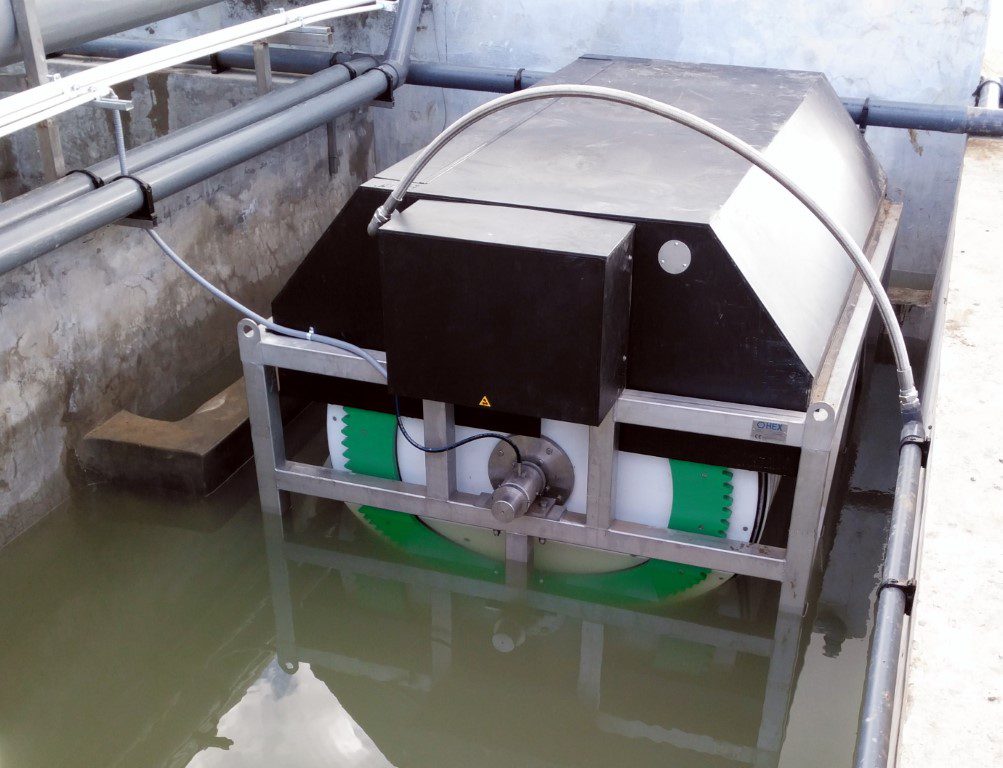
Recirculating aquaculture systems.
A recirculating aquaculture system (RAS) is a land-based, closed-loop aquaculture technology designed to rear fish in a highly controlled environment. Unlike traditional open systems such as sea cages or freshwater ponds, a RAS system continuously treats and reuses the same water, drastically reducing water use and environmental impact. RAS farms integrate advanced water treatment components, including mechanical filtration, biological filtration, UV disinfection, and degassing units to maintain optimal water quality for fish growth. These systems are highly customizable and scalable, making them suitable for a variety of fish farms, from hatcheries to full grow-out facilities.
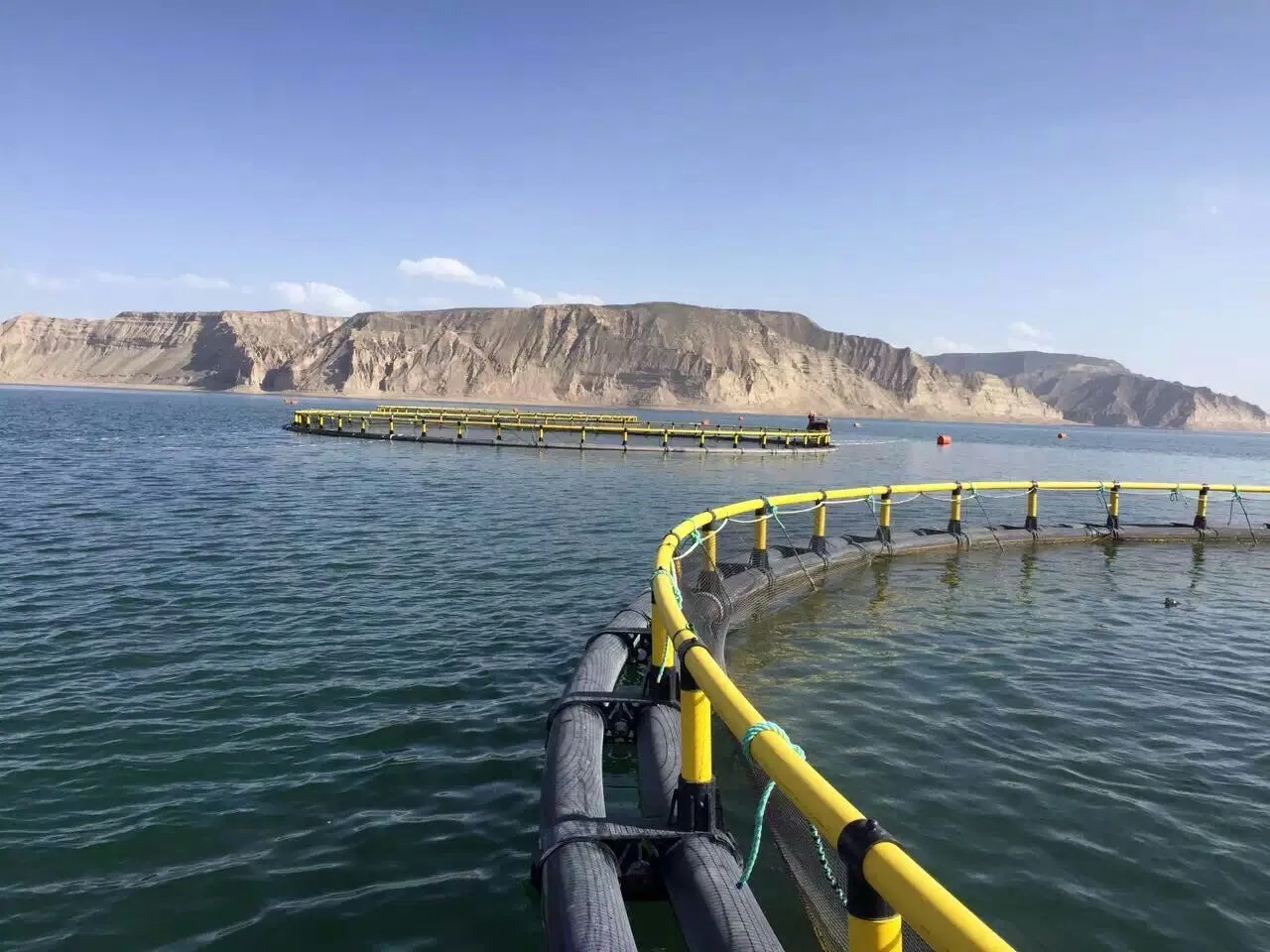
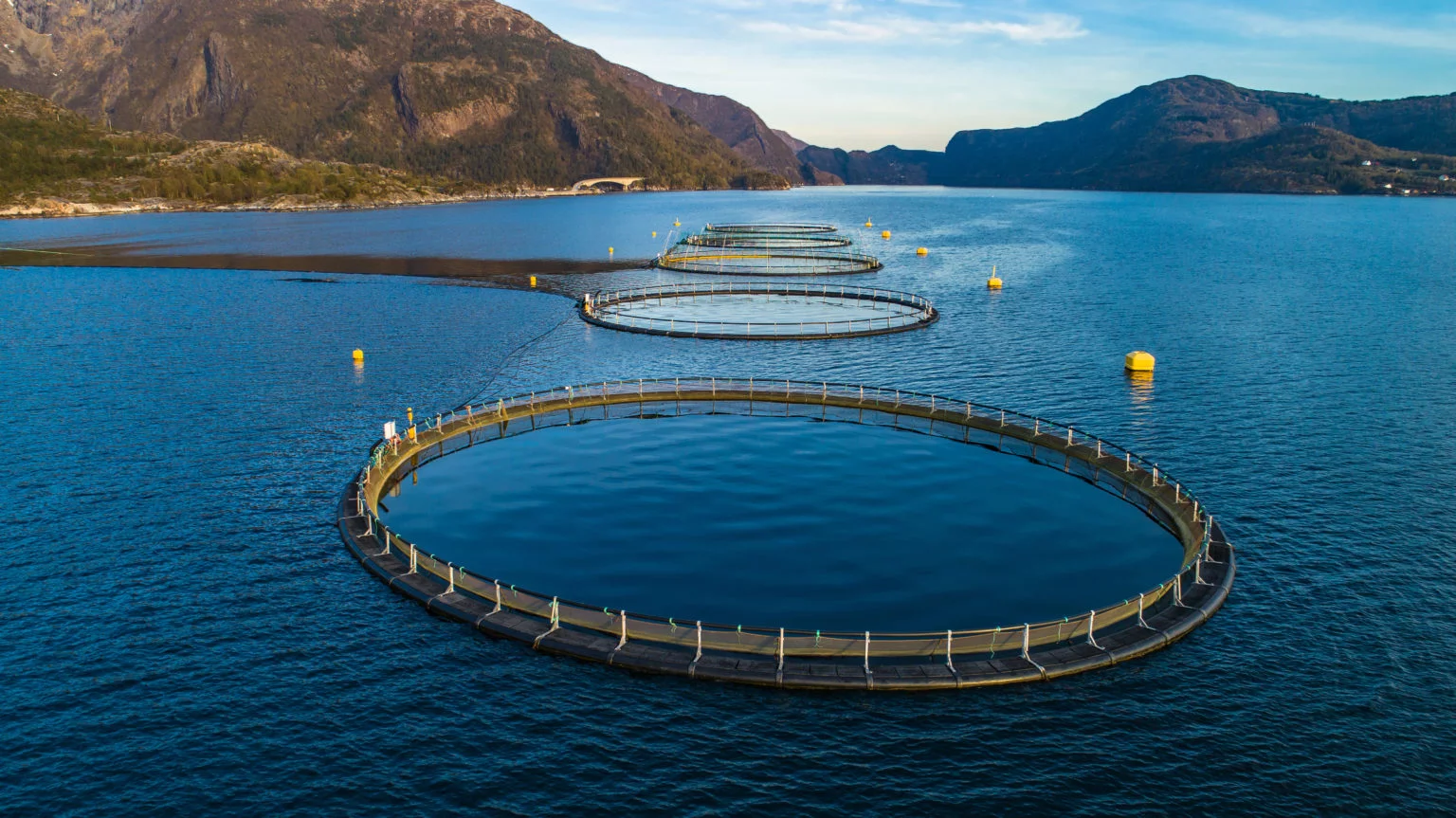
Cages/open net pens.
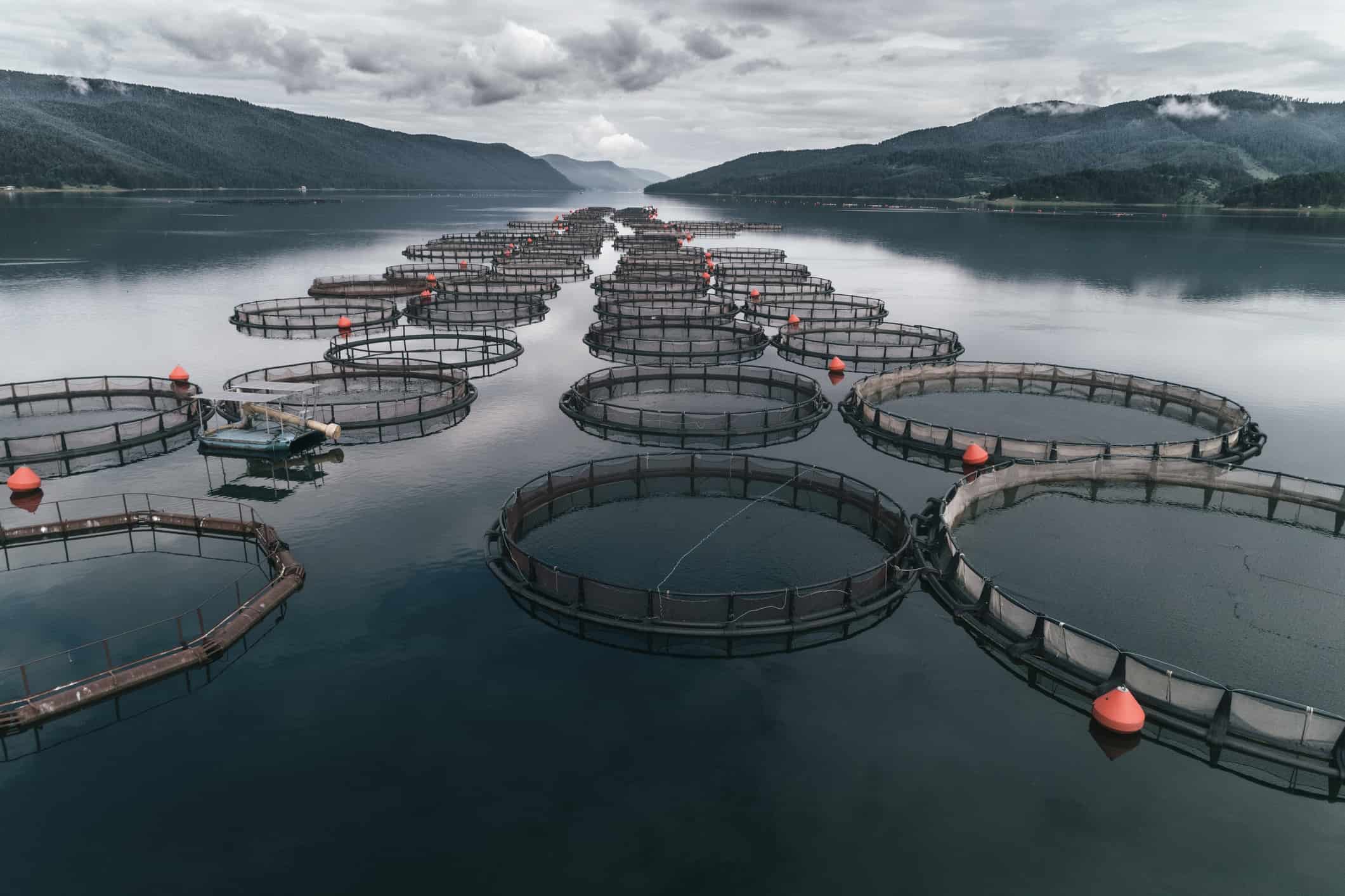
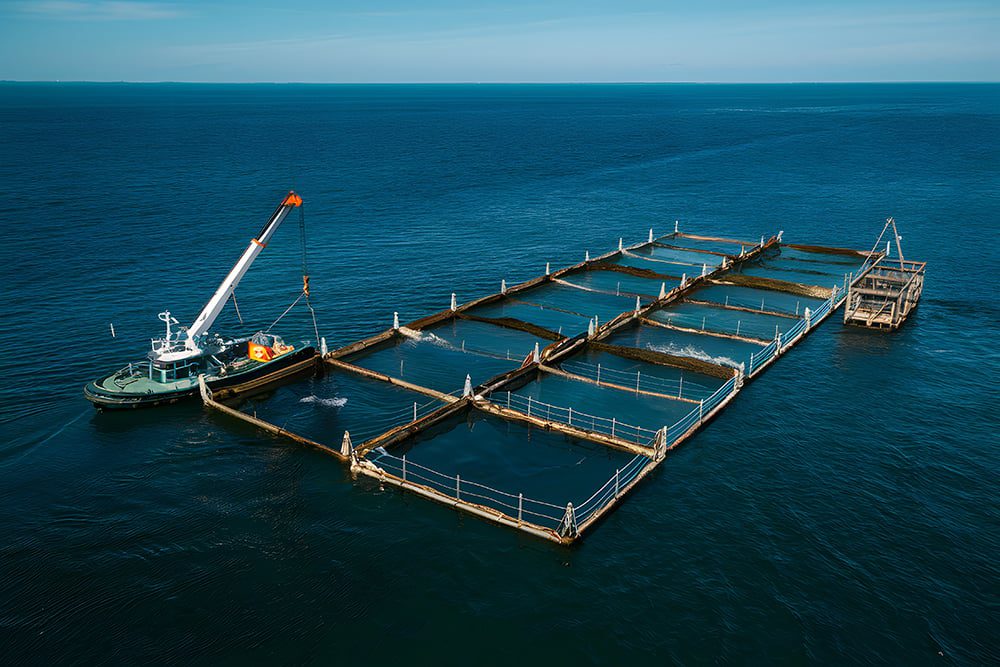
Cage aquaculture involves growing fishes in existing water resources while being enclosed in a net cage, which allows free flow of water. It is an aquaculture production system made of a floating frame, net materials, and mooring system (with rope, buoy, anchor etc.) with a round or square shape floating net to hold and culture large number of fishes and can be installed in reservoir, river, lake or sea. Cages can be constructed from various materials such as nets and drums designed to allow water flow while keeping fish contained. Cage aquaculture relies on the natural water body’s quality, making factors such as temperature, salinity, oxygen levels, and pollution crucial considerations.
Earthen ponds.
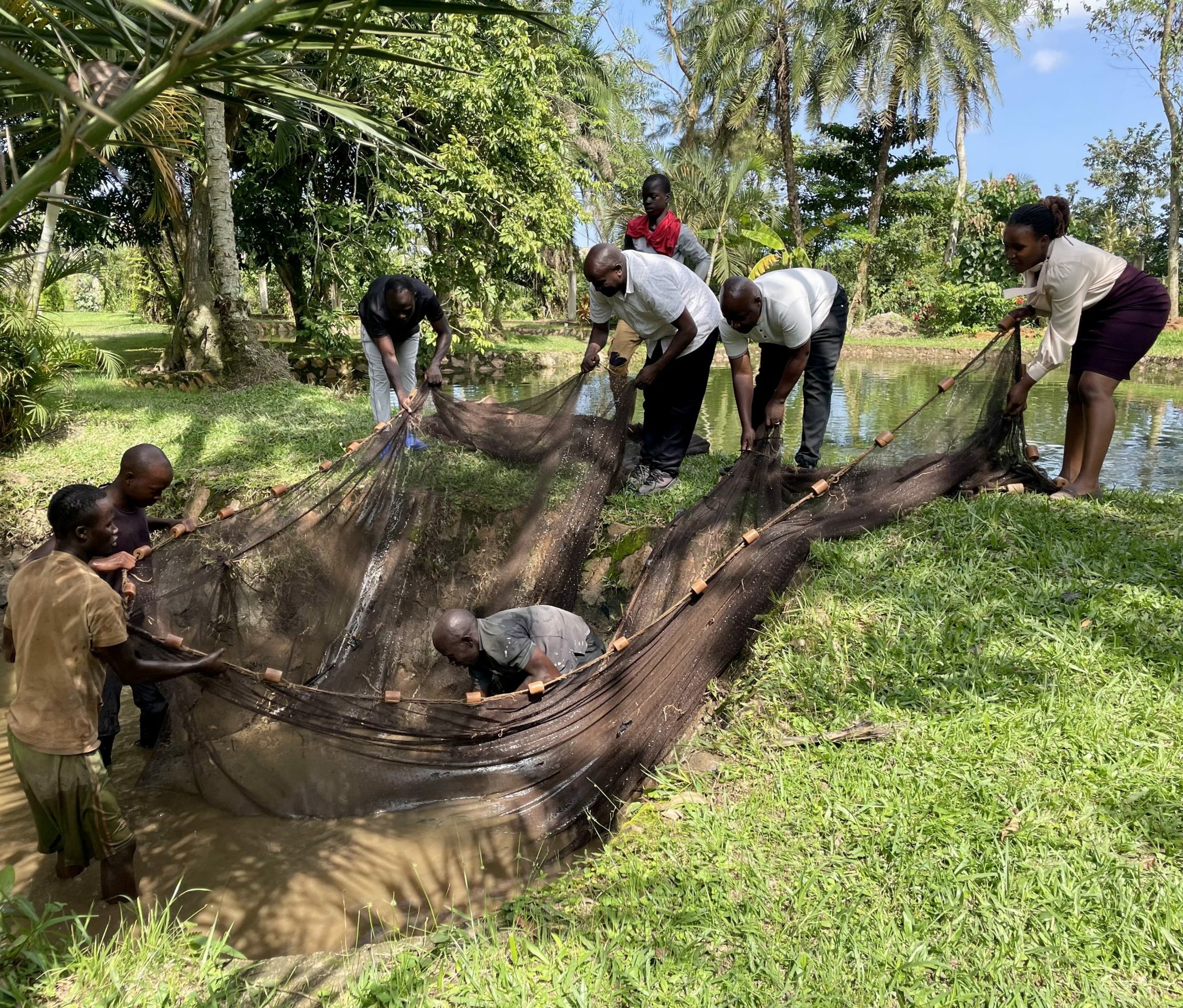
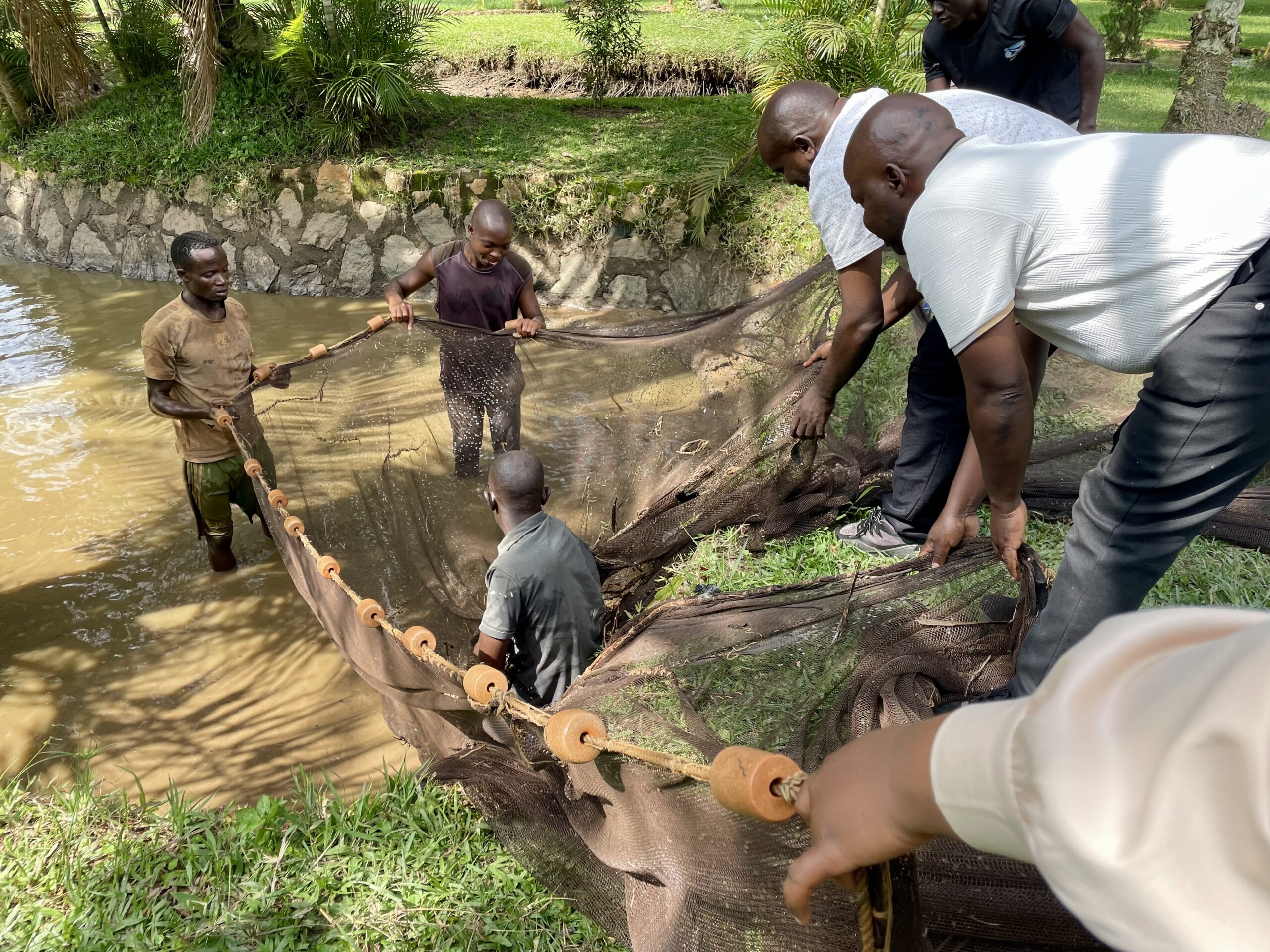
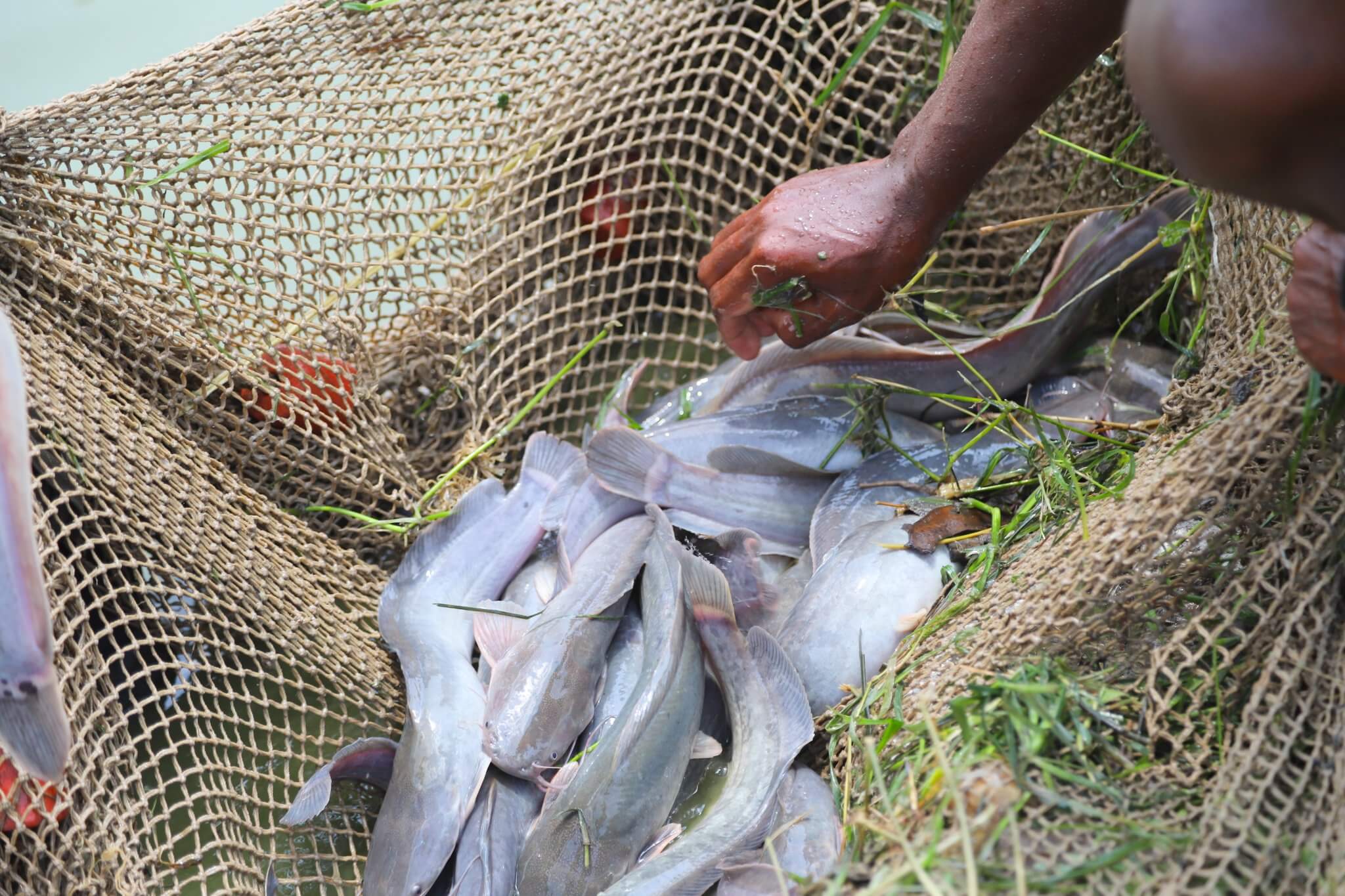
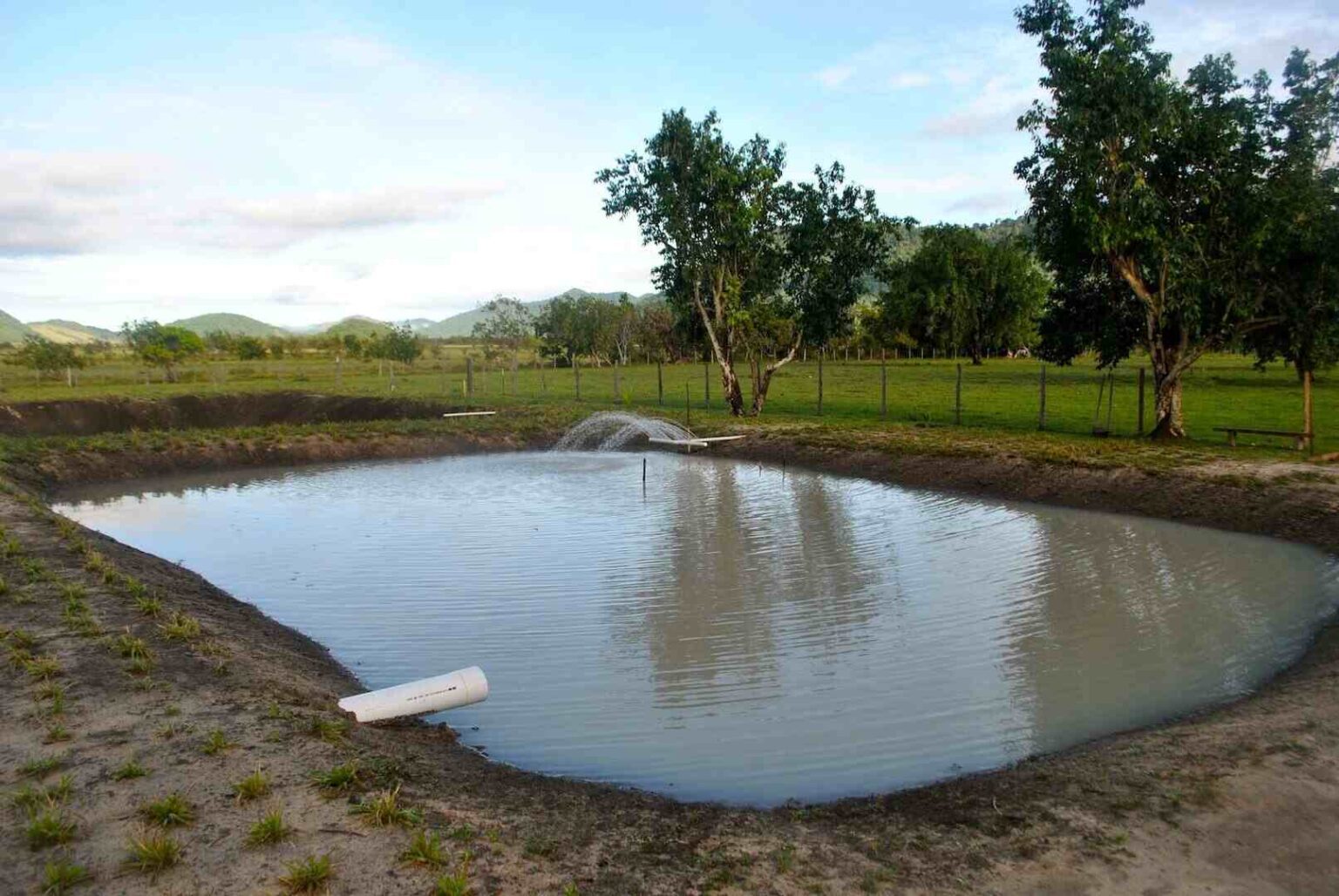
Earth ponds are constructed by removing topsoil and then digging down into the clay-rich subsoil to create a basin. The clay-rich soil that is dug out of the depression is used to build walls around the pond, which are well compacted to ensure they are watertight. A drain is fitted to the lowest point of the pond to drain the water as required via an automatic overflow or removal of a pipe to facilitate complete drainage of the pond for the harvesting of the fish. The main advantage is that earth ponds are far cheaper to construct per unit volume of water than either tanks or cages, which are the alternative infrastructure choices, and this construction can be done by hand without machinery if you have access to inexpensive labour. However, the counterbalance to this is that earth ponds can only be stocked at low densities, so the cost of the infrastructure relative to output tonnages may not be as economical as initially envisaged.
Tanks.
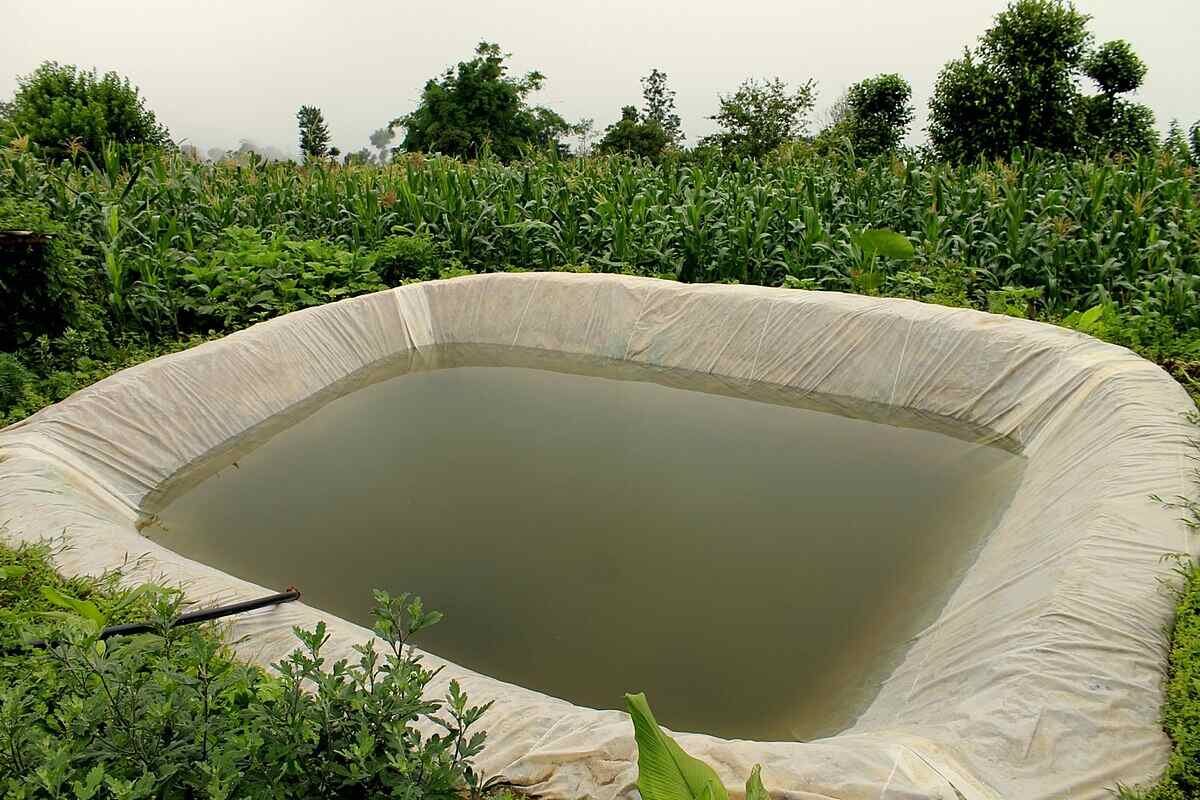
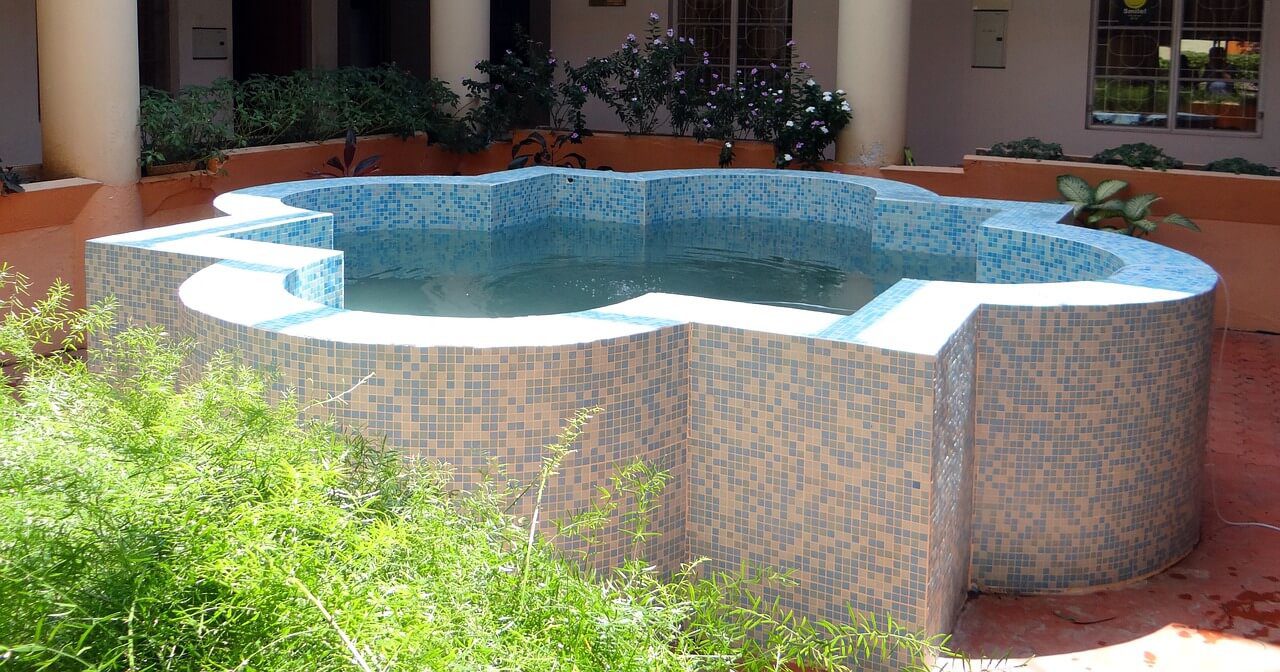
Tank-based aquaculture is gaining traction as a more controlled environment for fish farming. Tanks can be constructed from various materials including concrete, fiberglass, or plastic. This method allows for better control over water quality and temperature, which can lead to improved fish growth rates. They are frequently employed for fry rearing, providing a controlled environment for the delicate early life stages of fish. Concrete and fiber tanks are also utilized in hatcheries with recirculating troughs for incubating fertilized eggs. Plastic ponds are made using materials like HDPE or LDPE tarpaulin sheets, making them portable and easy to install. These are popular for small-scale and backyard fish farming.
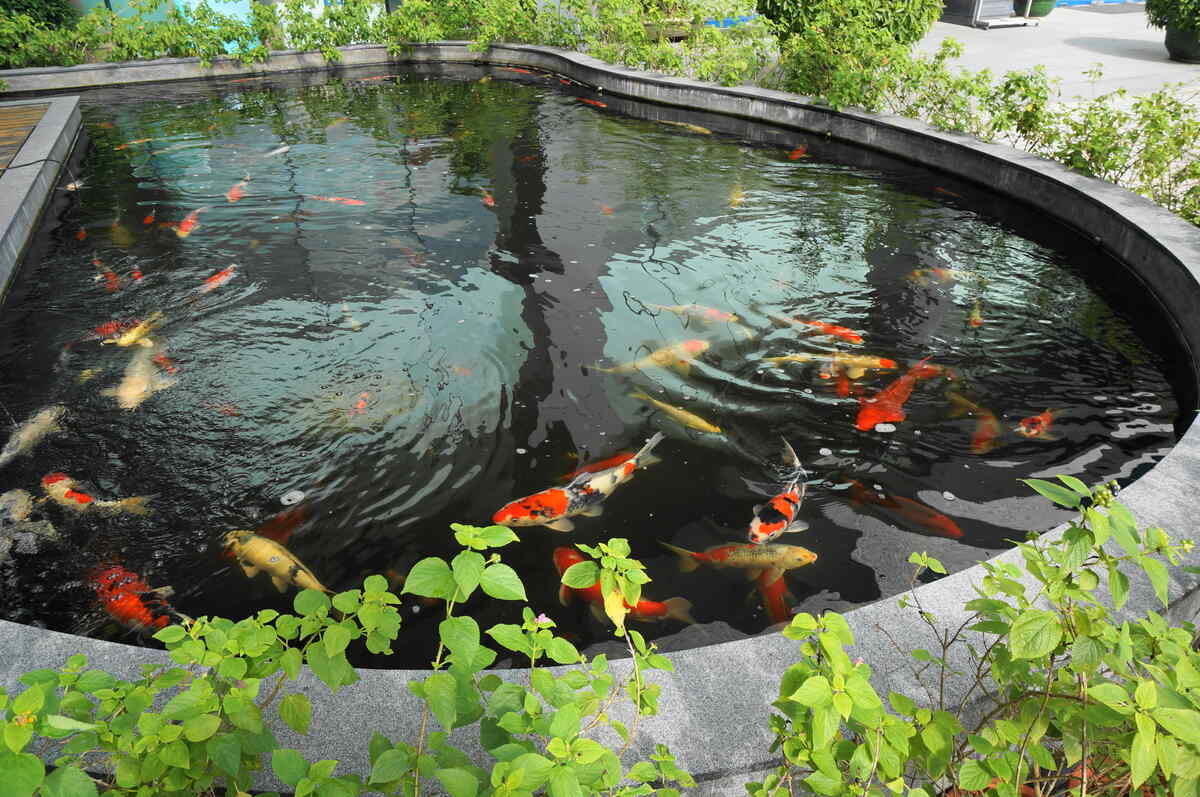
Koi ponds.
Koi ponds are specially designed outdoor water features for koi fish, requiring robust filtration, aeration, and often deep enough water for fish health, incorporating natural elements like plants and rocks, and using systems with bottom drains, skimmers, pumps, and UV clarifiers to maintain a healthy, clear habitat for these ornamental fish.
Factors Considered in Design and Selection of Aquaculture Fish Ponds
Soil. Loamy, clay loamy and silt clay soil types are most suitable for pond construction. Good quality gravel should not exceed 10%. Thus, the rocky, sandy, gravel and limestone soil types are to be avoided.
Size. The size of a pond is determined by various factors, such as its intended use, the quantity of fish to be produced, the level of management required, and the availability of resources. Subsistence ponds are smaller, while small-scale commercial ponds are larger, and large-scale commercial ponds are the largest.
Depth. Adequate depth (at least 2 feet) helps protect fish from predators and temperature extremes. Fishponds are typically shallow, with a maximum depth of 1.50 meters. The shallowest part should be at least 0.50 meters to control the growth of aquatic plants. Deeper ponds are more expensive to construct, but may be necessary for dry areas to store enough water for the dry season.
Location. Choose a location that receives partial sunlight. Fish and aquatic plants need sunlight for growth, but too much exposure can cause algae blooms and increase water temperature, which can be harmful to fish. While the shade from nearby trees can help regulate temperature, be cautious of trees that shed leaves, as this can lead to excess debris in the pond, requiring more maintenance.
Permits and local regulations. Before beginning construction, check with local authorities to see if you need any permits for digging or pond installation. Some municipalities have regulations regarding water features, especially in terms of drainage and safety (such as fencing requirements around ponds).
Consider nearby trees. Trees are a big consideration when building pond. That’s because their roots can make digging the necessary hole much more than difficult than it need be. Also, trees drop leaves, which can fall in the pond and decay, potentially harming the fish that inhabit it. That’s why placing the pond away from overhanging trees also reduces maintenance.
Water source. Ensure easy access to a water source for filling and replenishing the pond. A constant supply of high-quality water must be available throughout the year to replace losses due to evaporation, seepage, and drainage during management operation. Surface water sources often fluctuate in quality and quantity. Well water tends to be more dependable and is usually free of disease organisms, parasites, predators and pollutants.
Topography. The ideal site for a fish farm is on land that is flat or nearly so. A slope of more than 5 percent is not desirable because of extra construction costs associated with back filling, and the increased possibility of run-off problems. Areas with flooding possibilities are undesirable for aquaculture use because of the detritus effects on water quality, erosion potential, and the introduction of undesirable species into the pond. Topography, aided by engineering, should permit the pond to be drained completely. Otherwise pumping is necessary with extra costs.
Key Steps in Installation/Construction of Aquaculture Fish Ponds
Construction of concrete fishponds.
Site selection.
Concrete fish pond can be sited in any open space near one’s immediate surrounding provided the space is free from shade and effective security can be guaranteed.
Excavation of concrete fishponds.
In order to prevent rise in the temperature of water, especially in the lower part of the concrete fish pond, the lower 60cm (2ft) should be sunk in the ground. This implies that the whole area to be occupied by the concrete should be excavated to a depth of about 60cm before laying the foundation blocks. Alternatively, the site may be excavated. In such a case, a thick layer of soil should be packed around the base of the concrete fishpond, covering its lower 60cm.
Erection of the walls.
Unlike earthen ponds, the walls of concrete fishponds are usually built with concrete blocks. The concrete blocks used for the construction are usually reinforced (that is filled with concrete or sandcrete). This strengthens the walls thereby enabling them to withstand the pressure of the water, which the concrete fishpond will require. In addition, as found necessary, pillars should be installed along the walls at suitable intervals to prevent cracking of the walls.
Installation of water inlet, water outlet, and overflow pipe.
After the walls of the concrete fishpond have been erected the water inlet and outlet should be installed. It (concrete fishpond) has neither a monk or a spillway (unless the concrete fishpond is a large one). Instead, it has an overflow pipe for eliminating excess water in order to forestall overflowing which usually brings about loss of fish. For an overflow pipe to be effective in preventing overflowing of pond water, its size or diameter should be greater than that of the inlet pipe. The overflow pipe should be screened in order to prevent loss of fish.
Plastering.
Both the inner and outer surfaces of the walls of concrete fishpond should be plastered with mortar to further strengthen the walls and also prevent loss of pond water through leakage.
The floor/benching the base.
The floor of concrete fishpond should be made of concrete in order to prevent loss of pond water through seepage. The floor should slope gently towards the water outlet in order to facilitate drainage of the pond water.
Waterproofing
Concrete is porous, it absorbs water and allows it to seep through and away from the pond. It also contains lime, which, if allowed to leach into the pond water, will adversely affect the pond’s pH. There are a few options available when choosing how to waterproof a concrete pond. The easiest and usually cheapest option is to fit a flexible pond liner. Common types on market are the HDPE geomembrane dam liners.
Installation of floating fish cages.
Determine the size and shape of the cage.
The first step in installing a floating fish cage is to determine the size and shape of the cage. This will depend on a number of factors, including the type of fish to be farmed, the amount of space available, and available budget. The size and shape of the cage will also affect the amount of fish that can be raised in the cage.
Choose construction materials.
Once the size and shape of the cage have been determined, the next step is to choose materials. Floating fish cages can be made from a variety of materials. Some of the most common materials include wood, PVC, and metal. Each material has its own advantages and disadvantages, so it is important to choose the one that best suits your needs and budget.
Build the frame.
The next step in installing a floating fish cage is to build the frame. This will provide the structure for the cage and will be used to attach the netting. The frame can be built from the same material as the rest of the cage, or it can be made from a different material.
Attach the netting.
Once the frame is complete, the next step is to attach the netting. This will provide a barrier to keep the fish inside the cage. The netting can be attached to the frame using a variety of methods, including zip ties, clips, or rope.
Install the floats.
The final step in installing a floating fish cage is to install the floats. These are what will keep the cage afloat in the water. The floats can be made from a variety of materials, including PVC pipe or foam blocks. It is important to make sure that the floats are evenly spaced and that they provide enough buoyancy to keep the cage afloat.
Maintenance of Aquaculture Fish Ponds
Water quality monitoring. Maintaining good water quality is vital for the health of fish. Regularly test the water for pH levels, ammonia, nitrates, and other parameters. Adjust the water chemistry as needed, and consider using filtration systems to keep the water clean as poor water quality can lead to fish mortality.
Feeding management. Provide proper nutrition for fish by feeding them a balanced diet. Avoid overfeeding, as it can lead to water pollution. Feed fish appropriate quantities of high-quality fish food and monitor their feeding behavior.
Equipment upkeep. Regularly inspect and clean pond equipment, such as pumps, filters, and aeration systems. Remove debris and ensure all components are functioning properly. Replace any damaged or worn-out parts to maintain efficient operation.
Algae control. Algae growth is a common issue in fishponds. Implement strategies to control and manage algae, such as using algae-eating fish, adding floating plants such as water lilies or duckweed for shade, and limiting the nutrient load in the water.
Regular inspections. Conduct regular inspections to identify and address cracks, leaks, or other structural issues. Early detection can prevent minor problems from becoming major repairs.
Control predators and pest infestations. Protecting fish from predators and pest infestations is crucial for maintaining a thriving fishpond ecosystem. Common predators include herons, raccoons, and cats. To deter these animals, consider installing pond net or using scare devices like motion-activated sprinklers or decoys. Additionally, monitor the fishpond regularly for signs of pest infestations, such as mosquito larvae or snail overpopulation. Use appropriate methods, such as introducing mosquito-eating fish or manually removing snails, to keep these pests under control.
Monitor unhealthy fish behavior. Observing unusual behavior in fish, such as lethargy, gasping at the water surface, or changes in appetite, can indicate health problems or imbalances in the pond ecosystem. Conduct regular fish health checks and consult a veterinarian experienced in aquatic animal care if you notice any abnormalities.
Pond aeration. Proper aeration is crucial to maintain dissolved oxygen levels in the pond. Use aeration equipment such as diffusers, paddlewheels, or air stones to ensure adequate oxygenation.
Sludge removal. Over time, organic matter and waste products can accumulate at the bottom of the pond, creating sludge. Periodically remove and dispose of sludge to maintain water quality.
Disease management. Fish are susceptible to various diseases, and it is essential to have a plan in place to prevent and treat any outbreaks. This includes regular monitoring for signs of disease, implementing biosecurity measures, and having the appropriate medication on hand.
Stocking density. Maintaining the appropriate stocking density is essential for the growth and health of the fish. Overstocking can lead to poor growth, oxygen depletion, poor water quality, and increased disease outbreaks, while understocking can result in slow growth and reduced yields.
Pond maintenance. Regularly cleaning and maintaining the fishpond is essential to maintain water quality and prevent the build-up of harmful toxins and debris. This includes removing any dead fish, cleaning the pond bottom, and removing any excess algae.
Record keeping. Keeping accurate records is essential to monitor performance of the fish farm and make informed decisions. This includes monitoring water quality, feed consumption, growth rates, disease outbreaks, and yields.
Common Mistakes in Design, Installation, and Operation of Aquaculture Fish Ponds
Ignoring proper site selection. Choosing the right location for a fishpond is the first critical step. Many farmers pick sites without considering soil type, water availability, and environmental factors. For example, ponds built on sandy or rocky soil often leak water, causing water loss and increased costs to maintain water levels. Ideal pond sites have clayey soil that retains water well and are close to a reliable water source. Avoid areas prone to flooding or contamination from nearby industries or sewage.
Using untreated water sources. Water quality directly affects fish health. Using untreated or polluted water can introduce diseases and toxic substances into the fishpond. Many farmers rely on nearby rivers or ponds without testing water quality, leading to unexpected fish mortality. Before filling the pond, test water for parameters like pH, dissolved oxygen, ammonia, and heavy metals. If water quality is poor, treat it by aeration, filtration, or partial replacement. Clean water supports better fish survival and growth.
Poor pond design and construction. A well-designed pond has proper depth, slope, and embankments to support fish farming activities. Common mistakes include uneven pond bottoms, shallow depths, and weak embankments that cause water loss or erosion. Slopes should be gentle to prevent fish from getting trapped in shallow areas during water level changes. Strong embankments prevent breaches during heavy rains.
Overlooking aeration and water circulation. Fish need oxygen to survive and grow. Many farmers do not plan for aeration or water circulation, especially in warmer months when oxygen levels drop. Stagnant water leads to low oxygen, stressing fish, and increasing disease risk. Simple aeration methods like air pumps can maintain oxygen levels. Proper water circulation also distributes nutrients evenly and prevents the buildup of harmful gases. Planning for aeration during pond preparation improves fish health.
Not controlling predators and pests. Predators such as birds, snakes, and crabs can cause significant fish loss. Pests like snails and insects may also damage fish or spread diseases. Some farmers ignore predator control measures during pond preparation, leading to ongoing problems. Installing bird nets, fencing, and traps can reduce predator attacks.
Failing to plan for proper drainage. Drainage is essential for pond maintenance and harvesting. Poor drainage design makes it difficult to remove water or clean the pond. Some farmers build ponds without adequate outlets, complicating water management. Including well-placed drainage channels allows easy water control. This helps during pond drying, harvesting, and emergency situations.
Overlooking nutrient management. Fish require a balanced environment with adequate nutrients for natural food production. Some farmers do not prepare the pond to support plankton growth, which is a vital food source for many fish species. Adding organic manure or fertilizers in the right amounts encourages plankton growth. Over-application or under-application can disrupt the pond ecosystem. Testing water and soil helps determine the correct nutrient inputs.
Improper depth and slope. Creating shallow ponds (less than 1m or 3 feet) causes rapid temperature fluctuations, algae blooms, and makes fish vulnerable to predators. Inadequate sloping prevents efficient drainage.
Improper pond liner usage. Using low-quality pond liners or skipping the protective geotextile underlay, which results in tears from rocks, roots, or improper installation.
Overstocking the fishpond. Cramming too many fish into a limited space causes oxygen depletion, high ammonia levels, stunted growth, and high mortality rates.
Incorrect feeding practices. Overfeeding leads to water pollution and wasted money, while underfeeding causes slow growth and malnutrition. Using low-quality feed is another major error.
Ignoring biosecurity. Allowing unauthorized access to the farm, using contaminated equipment, or failing to quarantine new fingerlings can spread diseases.
Lack of record keeping. Failing to track feed consumption, growth rates, mortalities, and expenses makes it impossible to determine profitability or diagnose problems.
Common Challenges of Aquaculture Fish Ponds
Algal blooms/eutrophication. With warmer weather and increased sunlight come the challenges of algal blooms. The blooms are caused by excess nutrients in water, often from decaying organic matter, or fish waste.
Erosion and sedimentation issues. Erosion and sedimentation significantly affect the health of fishponds. Erosion usually occurs when water flow is too strong, often due to inadequate landscaping or heavy rains washing sediment into the pond. This sediment not only clouds the water but can also suffocate fish and disrupt the delicate balance of a pond’s ecosystem.
Overpopulation of fish. Issues regarding the overpopulation of fish can arise quickly if not monitored closely. When fish populations exceed the pond’s carrying capacity, it can lead to competition for food, increased waste products in the water, and stress among the fish.
Water quality issues. Water is everything in aquaculture. If the water is bad, fish will suffer. The main things that mess up water quality are fish waste and leftover food. These break down and produce ammonia, which is toxic. Unfavorable water conditions such as low oxygen, high ammonia, or extreme pH, can stress fish and lead to mortality.
Environmental fluctuations. Environmental factors such as temperature changes, salinity, and pollution can significantly affect fish farming operations, affecting the overall productivity of fishponds.
Predation. Predators such as birds and other aquatic animals pose a threat to fish farms. By far the most important and damaging predators of fish in ponds are otters, snakes, frogs, birds, etc. These predators can cause massive losses in fish stocks.
Factors that Influence the Cost of Aquaculture Fish Ponds
Topography and slope. Ideal sites are flat or nearly flat. Slopes greater than 5% increase costs due to the need for extensive back filling, excavation, and erosion control.
Soil type and quality. The soil should hold water effectively to prevent seepage. As such, soil with high clay content is preferred to ensure good water retention, reducing the need for expensive pond liners or repair costs.
Land clearing and grubbing. The density of vegetation (trees, roots, rocks) determines the expense of clearing the site. Removing heavy vegetation is much more expensive than clearing open grassland or abandoned, existing, paddy fields.
Access to water. A constant, reliable supply of high-quality water (well or surface water) is required. Reliability of the water source, quality, and proximity affects cost and complexity. Sites that require drilling deep wells can increase costs significantly.
Size and depth. Larger ponds have lower construction costs per unit of water area (economies of scale), albeit higher overall investment costs. Deeper ponds (over 1.5m) significantly increase excavation costs. Depth affects excavation volume and water retention needs.
Construction method. Using machinery (bulldozers, excavators) is faster but requires fuel and hiring costs, whereas manual labor is slower and depends on local wage rates.
Production system (intensity). Intensive systems (high density, high feeding) require higher initial capital for aeration and water management equipment compared to extensive systems.
Species cultured. Different species have specific environmental needs that can dictate pond depth and water quality requirements, influencing costs.
Feeding strategy. While feed is an operating cost rather than a construction cost, the need for automated feeders or storage facilities affects initial capital investment.
Land costs/rent. The cost of purchasing or leasing land, especially in areas with competing uses, is a major factor. Land cost depends on location, suitability, and potential earning capacity.
Infrastructure access. Proximity to roads for transporting materials and equipment, and access to electrical power for pumps, heavily impact total costs.
Permits and licensing. Environmental regulations and permits, especially for water usage and effluent discharge, can add to the initial investment cost.
Conclusion
Construction and management of aquaculture fishponds requires careful design and construction, and must take into consideration numerous technical, environmental, legal, and economic factors. This necessitates the engagement of consultants from professional engineering companies to undertake expert planning, design, and construction of both subsistence and commercial fishponds.
At SANKOFA, we offer expert guidance on fish farming, right from feasibility study and site assessment, fishpond design and selection, fishpond construction, operation, and maintenance of all types of fishponds such as earthen fishponds, concrete fishponds, koi ponds, floating fish cages, and recirculating aquaculture systems.