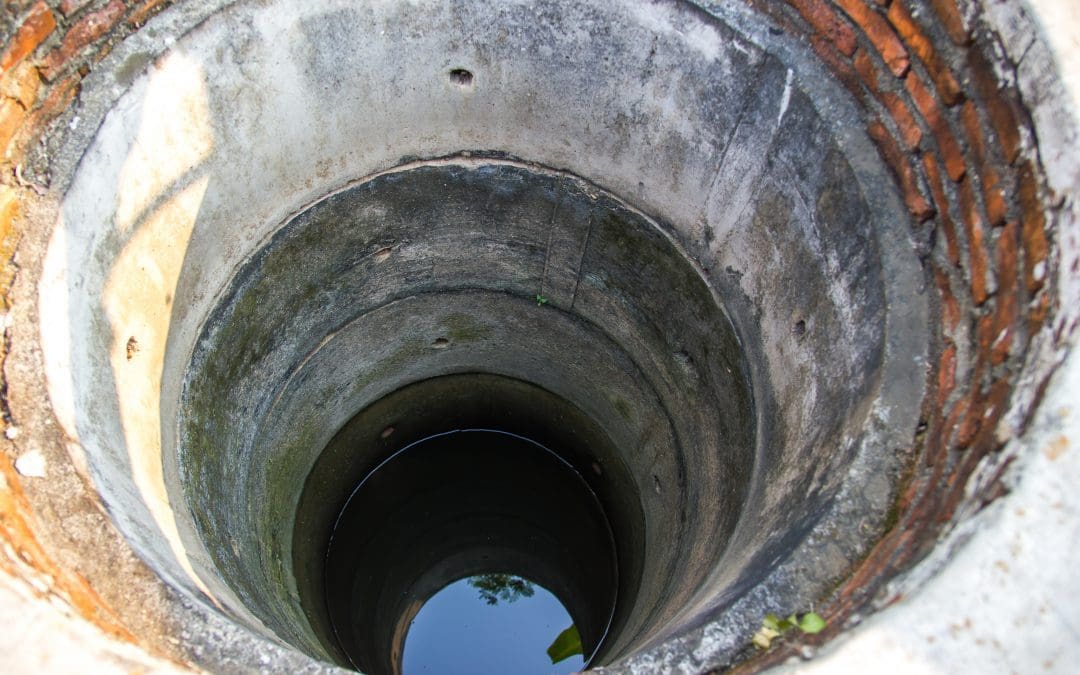
Quick Facts on Water 96.4% – Percentage of water volume on earth that is salty water and found in seas and oceans. 3.4% – Percentage of fresh water on our planet. This fresh water is broken down as follows: 2.15% – Equivalent to 70% of total fresh water is contained in the glaciers or as permanent snow. 0.63% – Equivalent to 22% of total fresh water is found in groundwater. 0.019% – Equivalent to 0.6% of total fresh water constitutes surface waters such as lakes and rivers. 0.001% – Percentage of water volume on earth contained in the atmosphere. Introduction Borehole drilling refers to the process of creating a narrow, deep, cylindrical hole, or borehole into the earth’s surface using specialized drilling equipment like drilling rigs. This fundamental technique is employed across numerous sectors, most commonly to access underground resources such as water (creating a water well). Often used for deep boreholes, it taps into deep underground aquifers to provide a cleaner, consistent, and more reliable water supply than shallow hand dug wells. Conversely, a hand-dug well or natural spring is typically shallow and dug manually. These shallow wells are usually only a few feet deep and their locations chosen based on surface clues like vegetation or soil conditions. The water they reach is often subsurface groundwater, which is highly susceptible to contamination from animal waste, human sewage, and agricultural chemicals like fertilizers and pesticides. In Uganda, property owners can drill boreholes on their private land, providing an effective remedy to rising municipal water costs, intermittent and unreliable mains water supply, and water restrictions (rationing). Borehole drilling is key to secure independent and consistent water supply for individuals, businesses, and institutions requiring high volume of water abstraction such as schools, leisure facilities like hotels, irrigation and livestock water supplies, estates, and industrial and commercial users such as factories. By engaging reputable drilling companies, property owners can be guided on the entire process of securing the necessary permits, licenses, and approvals from relevant authorities, ensuring that the undertaking is legal and the drilling works are of high quality, compliant with environmental regulations and local bylaws. The process of drilling boreholes involves numerous stages, which are briefly discussed below. Hydrogeological Survey Hydrogeology is the branch of geology that focuses on the distribution, movement, and quality of groundwater. Hydrogeology provides information on how surface water is recharged into the ground and its movement in subsurface (through aquifers) in between soil and rock strata. A hydrogeological survey or geophysical survey is a scientific study and analysis of underground water sources (aquifers) to determine groundwater availability, location, depth, quality, and sustainability. The survey involves collecting data on hydrologic and geologic parameters such as the geology, soil structure, rock fractures, water table levels, and other factors that influence the presence of underground water. It is carried out using resistivity or magnetic field based instruments (geophysical instruments) to locate fractured zones and water bearing zones within the earth’s surface for groundwater exploration purposes. Conducting a hydrogeological assessment is a critical step before initiating any borehole drilling project. It is important for: Confirm groundwater availability/borehole siting. Determines the presence and quantity of groundwater (expected borehole yield), ensuring the proposed well location can yield sufficient water to meet the intended demand. Determine borehole depth. A borehole must be drilled deep enough to access a reliable water supply. A hydrogeological survey helps to determine the optimal depth to reach water, avoiding unnecessary drilling costs. Assessing water quality. Evaluates potential contaminants and natural water quality parameters such as salinity, fluoride, bacteria, helping in determining the suitability of groundwater for its intended use. This as well helps decide if additional filtration or treatment is needed, and the cost implications of such. Informing well design and placement. By understanding subsurface conditions, the hydrogeological assessment guides the optimal design and placement of wells, enhancing efficiency and longevity. Identifying geological risks. A hydrogeological survey assesses soil and rock formations to identify potential risks, such as collapses or contamination pathways, informing safe and stable borehole construction. Regulatory compliance. A hydrogeological assessment is required to ensure groundwater extraction does not adversely affect the environment or neighboring water users. Investing in a hydrogeological survey (geophysical survey/borehole siting/groundwater survey) increases the chances of getting a productive, safe, and sustainable borehole. By identifying the best drilling sites, hydrogeological surveys save money by reducing the likelihood of unsuccessful drilling attempts (dry wells). Borehole Drilling The process of borehole drilling is initiated once a hydrogeological survey has been completed and the most optimal drilling point located. Below are key borehole drilling steps. Mobilization and drilling. The drilling rig arrives, sets up, and drills the borehole using various techniques (air, mud, or jetting) to the required depth, collecting geological samples. Air drilling is suitable for rocky formations and dry environments while mud drilling is ideal for loose soils and areas with high water tables. Casing and gravel packing. Pipes (casings and screens) are installed to prevent collapse and contamination, with gravel packed around them to enhance filtration and maintain water quality. Casing and lining of the borehole stabilizes the borehole and prevents collapse, ensuring the longevity of the well. Well development and cleaning. The borehole is flushed (airlifted/surged) to remove drilling debris, fine particles, drilling fluids, and enhance water flow and quality. Test pumping. Water is pumped continuously for hours (24hrs, 48hrs, or 72hrs) to measure the borehole’s yield (flow rate/water volume per hour), static and dynamic water levels, and determine optimal pump size and pump installation depth. Water quality testing. Thorough water sampling and testing to determine chemical and bacteriological properties, to determine whether it’s fit for consumption or needs prior treatment to remove chemical or bacteriological contaminants. Pump installation and slab construction. After the successful completion of sampling and analysis, the necessary well components are installed. This step is crucial for transforming the drilled borehole into a functional well. The permanent pumping system (submersible pump, pipes, control panels and electro-mechanical components) is installed, and a concrete wellhead slab that
Geotextile Fabrics in Uganda – An Insight into Types, Applications, and Installation
Geotextile fabric is a strong, permeable material made from synthetic fibers like polypropylene, used to reinforce soil, improve drainage, and prevent erosion in construction, landscaping, and environmental projects. Geotextile fabrics are available in three forms, which include woven geotextiles, nonwoven geotextiles, and composite geotextiles.
Dam Liners in Uganda – A Deep Dive Discussion into Design, Applications, and Installation
Selecting the right type and thickness of geomembrane dam liner is more than just a technical decision; it is a strategic investment in the longevity and success of your project. With a wide range of options available, understanding the nuances of thickness, tensile strength, cost, chemical resistance, UV resistance, and installation requirements is essential.
Remote Digital Groundwater Monitoring: The Importance of Long-term Data and Shared Databases
Owing to its relatively stable yield of high-quality water, groundwater has emerged as an extremely important water resource for meeting domestic, industrial, agricultural and environmental demands.
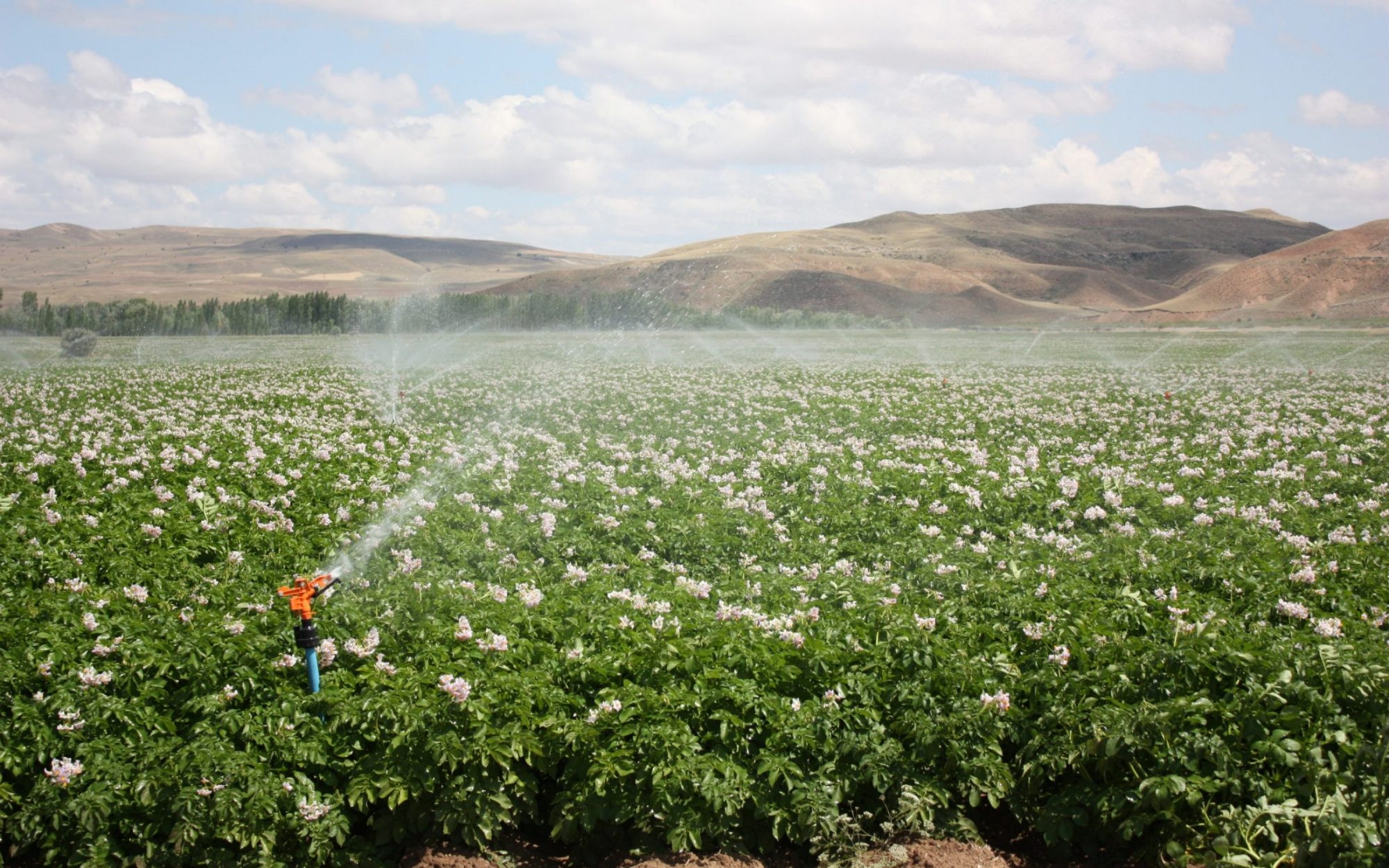
Irrigation: A Game Changer for Uganda’s Agriculture
It is common knowledge that agriculture is the centrepiece of Uganda’s economic development. However, Uganda’s agriculture has progressively been constrained by the frequent occurrence of droughts, and as such consistently fails to realize its full potential.
Marine, Coastal, and Offshore Engineering
Under the marine, coastal, and ocean engineering subsector, we offer a comprehensive suite of services, including, but not limited to..
Engineering Consultancy
Engineering consultancies, mainly in the form of feasibility studies, preliminary designs, scoping studies, conceptual studies, masterplans, and front end engineering designs (FEED) remain a very critical step before undertaking various engineering infrastructural investment projects…
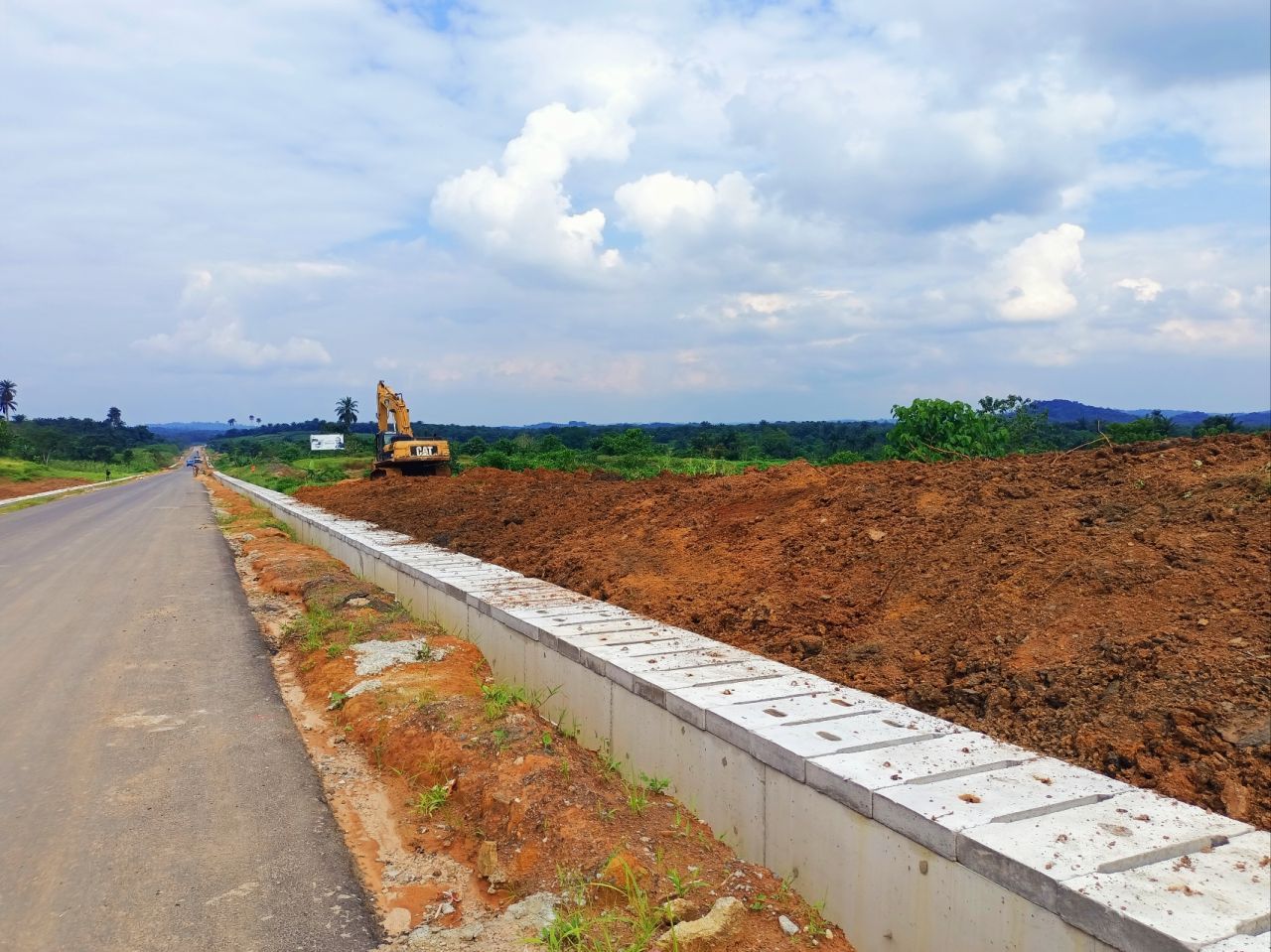
Bridges, Roads, and Highway Engineering
Under the bridges, roads, and highway engineering subsector, we offer a comprehensive suite of services, including, but not limited to…
Surveying and Geomatics Engineering
Under the surveying and geomatics engineering subsector, we offer a comprehensive suite of services, including but not limited to..
Mining and Petroleum Engineering
Under the mining and petroleum engineering subsector, we offer a comprehensive suite of services, including, but not limited to…