
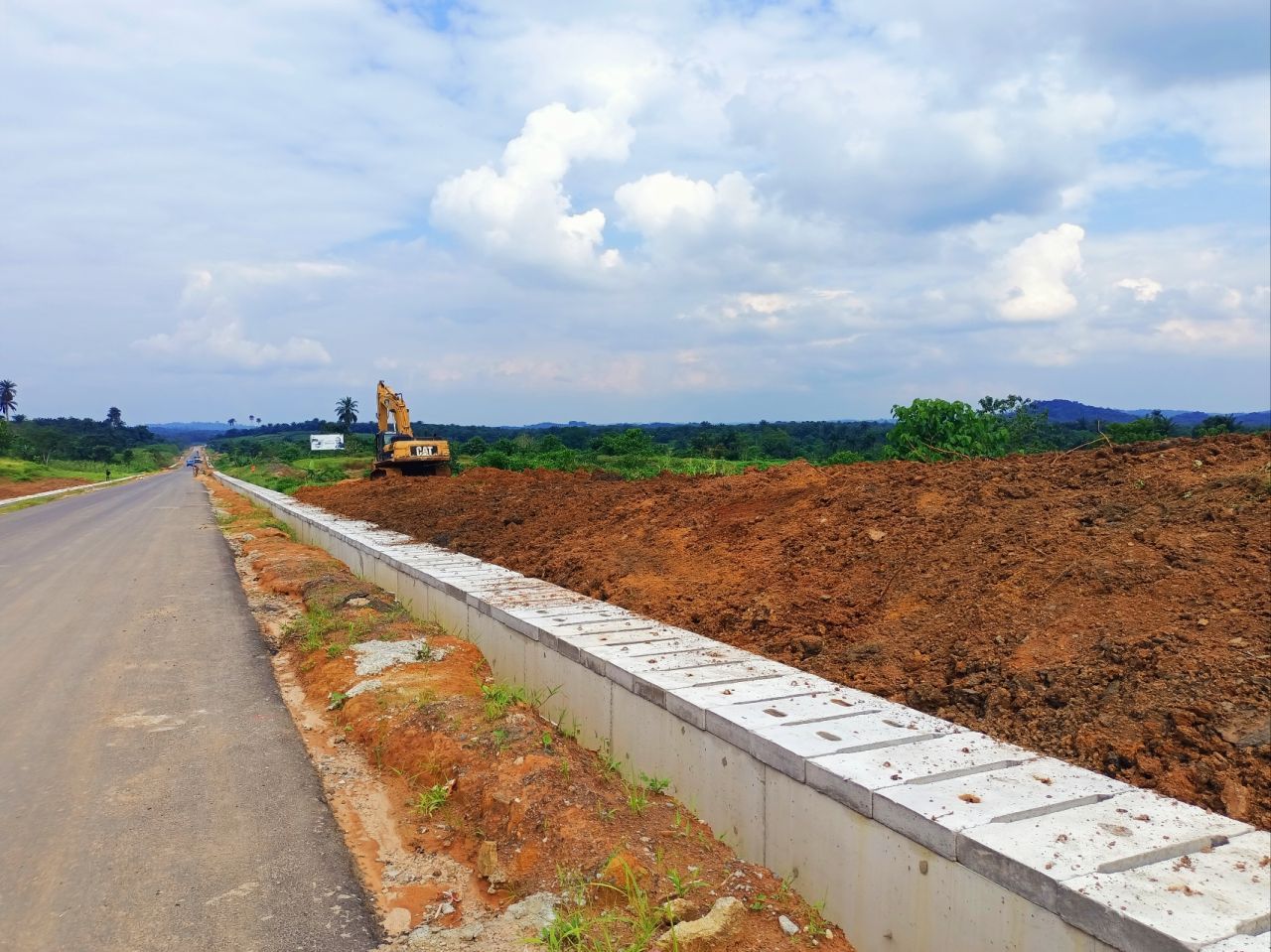
Introduction.
Drainage is the process of removing water or other liquids from a specific area. Urban planning, civil engineering, and agriculture are just some areas in which drainage is extremely important. Waterlogging, which can kill crops by cutting off oxygen supply to their roots, is something that farmers strive to avoid with good drainage. In civil engineering, the goal of drainage systems is to control the flow of precipitation to prevent floods and erosion. An efficient drainage system is crucial in urban design to manage stormwater and avoid water-related damage to infrastructure and buildings.
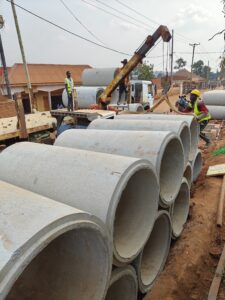
A drainage system is a network of pipes, channels, and other structures designed to collect and move excess water away from a site. Effective drainage ensures that rainwater, surface water, groundwater, and wastewater are directed to suitable disposal areas, such as stormwater drains, rivers, retention basins, or septic tanks instead of accumulating on the property. Drainage systems reduce the risk of flooding, prevent soil erosion, protect foundations, and maintain the functionality of roads, landscapes, and buildings.
In highway engineering, road drainage is crucial for traffic safety, extending road lifespan, and reducing maintenance costs by preventing water damage like potholes, hydroplaning, and foundation weakening. By effectively removing surface and subsurface water, drainage systems protect the road structure from erosion and loss of bearing capacity, ensuring durable and reliable all-weather roads.
Types and Forms of Drainage Systems.
Surface drainage systems.
Catch basin filters, stormwater inlets, silt traps, soakaway crates, catch pits. There are many different types of catch basin filters/silt traps, but the fundamental principle remains the same. Before entering the drainage system, water in the drainage system is directed into the silt trap. As the silt trap fills with water, the silt settles with the sump below the invert of the pipe. When the water level reaches the outlet pipe, it leaves the silt trap and continues to the drainage system, leaving the silt in the sump. These systems trap debris, trash, sediment, leaves, silt, and pollutants from stormwater runoff, preventing clogs in drainage systems.
Drainage basins and inlets. Drainage basins and inlets collect and temporarily hold stormwater, slowly releasing it to prevent overwhelming municipal stormwater systems. These structures are often used in urban areas with large amounts of impervious surfaces, such as roads and parking lots.
Retention and detention ponds. Retention ponds hold stormwater permanently, while detention ponds store it temporarily, releasing it at a controlled rate to reduce peak runoff during heavy rain.
Sump pumps. Sump pumps are used in basements or low-lying areas to pump water out when groundwater or rainwater accumulates. Sump pumps prevent flooding and water damage by directing water to an appropriate drainage point, such as a rainwater percolation pits.
Rain gardens. Rain gardens are shallow depressions planted with native plants designed to capture runoff, allowing it to infiltrate the soil and recharge groundwater.
Green roofs. Green roofs absorb rainwater through vegetation, reducing runoff and providing insulation. They are ideal in urban areas where ground space is limited.
Permeable pavements. Permeable or porous pavement allows water to infiltrate through the pavement into the ground, reducing surface runoff and promoting groundwater recharge.
Bioswales/swales. Similar to rain gardens but typically longer and shallower, a bioswale is a vegetated swale or channel designed to convey stormwater slowly while also filtering pollutants and promoting infiltration. Bioswales are often used along roadsides, driveways, or property lines to manage linear flows of water.
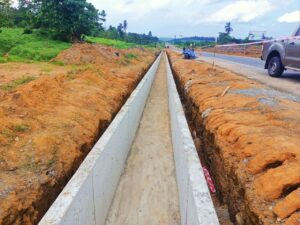
Lined surface channels, ditches, canals. These are open-air trenches lined with materials like concrete, stone, or geocells. Lined ditches are designed to transport large volumes of surface water at high speeds without eroding the soil or allowing water to seep into the surrounding ground. They mainly include V-shaped and U-shaped channels. They are generally cast-in-pace trench drains.
Grease traps. Grease traps are for commercial kitchens and are installed in drains as an interceptor to separate fats, oil, grease (FOG products) and food waste from water, which prevents these substances entering the drainage system and causing blockages. When waste is poured down the sink, it runs into the grease trap. Any solid matter sinks to the bottom, the water remains in the middle, and any lighter FOG floats on the top. Only the filtered wastewater flows into the drainage system.
Gabion mattresses, reno mattresses, river mattresses, rock mattresses. A reno mattress is a gabion mattress for structural support and erosion protection. It consists of wire mesh encased in galvanized steel with soil and other materials. The mattress is rectangular for an even weight distribution for enhanced structural integrity. A reno mattress has various applications, including slope stabilization, stream bank protection, bridge protection, and erosion control. Their reliable, resilient structure provides exceptional structural integrity, preventing slippage or soil degradation.
Trench drains. There are several types of drainage systems, but the most popular type is the grated trench drain system. Grated trench drain systems use a system of trenches and grates to move water towards an underground pipe. That pipe is usually sent to a water outlet or other accepted area for excess water.
Slot drains. Slot drains work a lot like grated trench drains, except they do not need the grate. They have a slimmer design, so they generally go into the floor or ground without the need for a covering. Slot drains are a popular design for sanitary drains, which are commonly found in food preparation warehouses or other buildings that require top-tier sanitation. Slot drains and sanitary drains are usually made from stainless steel to avoid corrosion and bacteria build-up.
Stone pitching. Stone pitching, also known as rock pitching or stone revetment, is a specialized civil engineering technique used to protect slopes, riverbanks, shorelines, and drainage channels from erosion caused by water flow, wave action, or surface runoff. This traditional but highly effective erosion control method involves placement of large rock or stone materials on prepared slopes in interlocking patterns that resist erosive forces while allowing water drainage and maintaining slope stability. Stone pitches are primarily used to control erosion on slopes, especially where water flow is significant, like at the edges of embankments or near culverts.
Subsurface drainage systems.
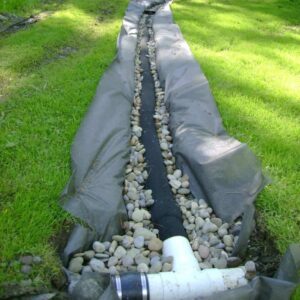
French drains. A French drain is an underground drainage solution with a gravel-filled trench, often containing a perforated pipe, designed to collect and redirect excess surface and groundwater away from homes, foundations, and soggy yards using gravity to prevent water damage, flooding, and soil erosion. It is named after the 19th century judge and farmer, Henry Flagg French (rather than the country France) who popularized the concept.
Tile drainage systems. A tile drainage system uses buried, perforated pipes (tiles) to remove excess underground water from farm fields, lowering the water table to create optimal soil conditions for crop roots, improving air circulation, and allowing easier field access for machinery, which boosts crop yields and health by preventing waterlogging and promoting better root development. The tile drain system was later renamed to French drains, after Henry French.
Precast concrete cylindrical and box culverts. Precast concrete culverts are a fundamental part of modern infrastructure, serving as essential drainage solutions for urban and rural environments. These reinforced concrete structures are designed to allow water to flow under roads, railways, and obstacles, preventing flooding, erosion, and other water-related issues.
Corrugated HDPE drainage pipes. Corrugated HDPE (high-density polyethylene) pipe is a versatile material known for its high durability, strength, and resistance to various environmental factors. It is widely used in underground infrastructure, offering flexibility, corrosion resistance, and long service life. These pipes are available in different configurations, making them suitable for diverse applications, such as drainage systems, sewage management, and cable protection.
Steel culverts, metal culverts, armco steel culverts. Metal culverts are critical in managing stormwater and ensuring structural integrity under high-load conditions, whether for roadworks, railways, mining, or agricultural applications. The unique design of corrugated steel culverts delivers superior hydraulic performance and structural strength. These culverts are widely used across the African continent in applications requiring the management of heavy water flow and vehicular load, such as in steel culverts for roads and large-scale drainage systems. The corrugation provides rigidity and strength without excessive material use, making them lightweight yet remarkably strong.
Geocomposites, geosynthetics, geotextiles. Geocomposites are engineered materials that combine two or more geosynthetic products, such as geotextiles, geogrids, HDPE geomembranes, geonets, geosynthetic clay liners, geocells, geotubes, drainage boards, into a single composite structure. They are widely used in civil engineering, construction, and environmental projects due to their multifunctionality and cost-effectiveness. They serve purposes as drainage, filtration, and separation.
Importance of Proper Drainage Systems
Prevents soil erosion. Soil erosion occurs when rain moves the earth in yards from one place to another. Over time, the soil will erode and cause landscaping damage and even property damage. Having proper yard drainage redirects excess water away from the yard before soil erosion can occur.
Prevents standing water. Drainage solutions like French and trench drains can eliminate standing water from the yard. Having perpetual puddles on the lawn can drown the landscaping and create slippery walkways. They can also host parasites like mosquitos.
Improved sanitation and public health. Drainage systems play a critical role in maintaining public health by removing wastewater, sewage, and other forms of liquid waste. They prevent the accumulation of stagnant water, which can become a breeding ground for disease-carrying mosquitoes and other pests. By providing efficient wastewater disposal, drainage systems contribute to improved sanitation, reducing the risk of waterborne illnesses and promoting overall community well-being.
Reduces infrastructure damage. Drainage systems collect and channel rainwater, runoff, and other forms of excess water away from nearby roads, bridges, and other critical infrastructure. Without proper drainage, water can accumulate, and cause a variety of problems like flooding and soil erosion. The weight of standing water can cause the ground to settle, which can damage roads, sidewalks, and buildings. By efficiently collecting and channeling water away from infrastructure, drainage systems help to prevent these problems.
Preservation of land and soil quality. Proper drainage systems help preserve land and soil quality by preventing waterlogging and excessive moisture. Excess water can lead to soil erosion, nutrient depletion, and decreased agricultural productivity. Drainage systems support healthy vegetation growth and promote sustainable agriculture by maintaining optimal soil moisture levels.
Safety enhancement. Standing water on paved road surfaces significantly increases the likelihood of hydroplaning, especially when it is raining. Hydroplaning is a condition where the vehicle’s tire loses traction with the road due to water accumulation. By quickly and effectively channeling water away from the pavement, well-designed drainage systems help mitigate the risk of hydroplaning accidents and enhance overall road safety. Moreover, this ensures that road markings and signage remain visible and effective.
Factors Considered in Design of Drainage Systems
Drainage system design is an essential part of city planning and civil engineering, requiring careful planning and attention to key fundamental principles. Listed below are a few important considerations.
Topography and slope. The natural slope of the land affects water flow direction and velocity, influencing the placement of drains and the choice of drainage methods.
Soil type and permeability. Soil characteristics, such as clay content and permeability, determine how quickly water can infiltrate. Clay soils require more extensive drainage, while sandy soils absorb water more readily.
Climate and rainfall patterns. Drainage systems should be designed to adequately handle local rainfall intensities and peak flow volumes. In areas prone to heavy rain or seasonal flooding, capacity must be sufficient to prevent overflow.
Land use and impervious surfaces. The amount of impervious surface, such as pavement and rooftops, affects runoff volume. Higher imperviousness requires more robust drainage solutions to handle excess water.
Environmental and regulatory requirements. Many jurisdictions have regulations that dictate drainage requirements to protect water quality and reduce flood risk. Compliance with these regulations is essential for project approval.
Hydraulic design. Design engineers must ensure that there is enough water flow capacity to prevent surcharges and flooding in channels, pipes, and other structures.
Maintenance and sustainability. Design engineers must ensure long-term functionality and sustainability through the design of systems that are easy to use and maintain.
Key Steps in Installation of Drainage Systems
Planning and design.
First, it is important to design a layout for your underground drainage pipes. Start by mapping out the areas where water needs to be collected and drained. Identify the source points (like kitchen waste outlets, bathroom drains, or rainwater downspouts) and determine the final disposal area such as a sewer line, soak pit, or stormwater drain. To ensure proper slope, use suitable pipe diameters based on the volume of water and ensure to comply with local building codes and regulations.
Site preparation.
After finalizing the layout, clearly mark the trench lines on the ground, ensuring they avoid existing utility lines such as electric cables and water pipelines. Carefully excavate the trenches to the required depth and width as per the drainage plan. It is crucial to maintain a consistent gradient throughout the trench to facilitate smooth water flow. To achieve this, use tools like a laser level or a string line for accurate slope measurement. Proper site preparation sets the foundation for efficient and long-lasting underground drainage pipe installation.
Trench bedding.
The bedding layer plays a vital role in providing a stable and secure base for underground drainage pipes. It cushions the pipes and evenly distributes external loads, helping to prevent bending, cracking, or deformation over time. Begin by laying a 100mm to 150mm thick layer of compacted sand or fine gravel at the bottom of the trench. This material should be smooth, well compacted, and free from sharp stones or debris that could harm the pipe. A properly prepared bedding ensures durability and extends the life of the drainage system.
Laying the drainage pipes.
Carefully lay the underground drainage pipes along the prepared trench, starting from the outlet (lowest point) and moving towards the inlet. Join pipe sections securely using solvent cement or rubber ring fittings depending on the type of pipe. Align each pipe correctly to maintain the slope and avoid reverse gradients, use inspection chambers or manholes at regular intervals for easy maintenance.
Pipe surround and backfilling.
Once the underground drainage pipes are laid and inspected, you may surround them with selected granular material for safety. After it, cover the pipe with sand from all sides. Compact the surrounding material lightly to avoid pipe displacement. Backfill the trench with excavated soil in layers, compacting each layer gently to avoid damaging the pipes. Leave room for settling, especially in areas that will be paved or driven over.
Final inspection and testing.
Before completing the backfill, conduct a water test to ensure there are no leaks and that water flows properly through the system. For checking it, flush water through the system from the highest point, check all joints and connections for leaks or blockages. Inspect all access chambers and make sure covers are properly fitted.
Site restoration.
After completing the installation of underground drainage pipes, restore the surface to its original state. Depending on the area, this may involve repaving driveways, replanting grass, or completing landscaping work. Proper restoration ensures aesthetic appeal, safety, and functionality, while also preventing surface erosion and maintaining the integrity of the installed drainage system.
Maintenance of Drainage Systems
Effective drainage system maintenance is essential for preserving landscapes, commercial properties, and road infrastructure. Without routine upkeep, drainage systems can become clogged with debris, leading to stormwater buildup, soil erosion, and costly repairs. This section provides actionable steps to keep drainage systems operating efficiently.
Clean and inspect regularly. Keep drainage systems clear by cleaning them frequently to prevent debris buildup. Inspect soil stacks and the sewer main for any signs of blockages or damage. Ensure collected water drains away properly to prevent pooling, which can lead to structural issues.
Dispose of waste correctly. Avoid flushing solid wastes (non biodegradables) down the drains, as these can lead to stubborn clogs. Running hot water through drains occasionally can help clear minor build-up and keep the system flowing smoothly.
Do not pour grease down the kitchen drain. Fats, oils and greases (FOGs) can build up in drains over time and cause fatbergs, so make sure that food or cooking waste goes into the bin rather than down the sink.
Landscaping considerations. If there are trees or plants near the drainage system, consider root barriers to prevent root ingress into the pipes. Roots cause blockages, repeated drainage issues, and structural damage.
Regular maintenance. Schedule periodic drain inspections and maintenance to catch potential issues early on and prevent blockages from occurring.
In maintenance and unblocking of drainage systems, various methods and tools are deployed, among them.
Drain rodding sticks. Drains rods/plumber’s snakes/sani sticks/sewer rodding sticks are essential and efficient for mechanically removing blockages within blocked plumbing and drainage pipes. The drain rodding process involves using multiple rods, which can be attached to reach blockages even further down the drain.
High pressure drain jetting. Drain jetting is a highly effective process that involves using high-pressure water to clear blockages in drains and pipes. This method clears obstructions such as sediment and organic matter, restoring hydraulic efficiency.
Drain root removal. Tree roots can easily enter drains through joints, cracks, and walls. This can lead to blockages and reduced drainage efficiency. Tree roots are attracted to moisture and nutrients. Drain pipes provide both, making them a target for root ingress.
CCTV drain inspection. High-definition cameras are inserted into drainage channels to document internal conditions, revealing structural defects, sediment buildup, and blockages. A CCTV drain survey is used when you need clear evidence of what is happening inside your drainage system. Most drain problems can’t be diagnosed from the surface, and guessing often leads to wasted time, unnecessary work, or missed faults. A camera survey provides accurate information so the right repair can be carried out. A CCTV drain survey is a non-invasive inspection that uses a high-definition camera inserted into your drainage system. As the camera travels through the pipe, it records live footage showing.
- Blockages.
- Cracks and fractures.
- Collapsed sections.
- Misaligned joints.
- Root intrusion.
- Corrosion or wear.
- Incorrect gradients or build-ups.
Common Mistakes in Design, Installation, and Maintenance of Drainage Systems.
Common drainage design mistakes include pipe grade less than the minimum requirement, installation in a very poorly permeable deep soil layer, installation in sand layers without an envelope or sand-slot pipes, and installation in high-risk iron ochre areas without special design considerations.
Under-design issues. Under-design occurs when a drainage coefficient less than the drainage intensity is chosen to size the main pipe. This means that the main pipe is too small, thereby water enters the main pipe faster than the main pipe can carry it away. The solution is upsizing the main pipe, so the drainage coefficient is equal to or greater than the drainage intensity.
Drain depth issues. The drain depth issue occurs when installing the pipe in the deeper, poorly permeable soil layer. Instead, install the drain pipe in the shallower, more permeable soil layer while maintaining minimum pipe cover. This is because drain pipes work best when installed in the more permeable soil.
Compromised outlet. The comprised outlet issue occurs when the outlet pipe is off the ditch bottom by less than 1 ft and the ditch water level frequently rises high enough to submerge the outlet and reduce flow. In this situation, either clean and deepen the ditch, raise the outlet to allow normal free flow, or use a pump station.
Lack of breathers. Lack of breathers in the system is another example of a common design issue. Breathers allow air to enter the drain pipe to vent the pipe. Breathers are usually installed when going from a relatively flat minimum grade to a steep grade, thereby preventing piping of the soil into the drain pipe. Also, if there is no breather and the water table is above the top of the lateral drain pipe, flow may be restricted when going from a relatively flat minimum grade to a steep grade. Inadequate venting can cause piping of the soil into the pipe when a steep grade results in high water velocity (low pressure) in the pipe. Inadequate venting can cause blowouts when a sudden change of grade from steep to relatively flat minimum grade results in high pressure in the pipe.
Failure to undertake regular inspections, cleaning, and clearing. Conduct routine inspections of your drainage system to identify any signs of damage, blockages, or deterioration. This allows you to address issues as clogs, leaves, debris, and sediment buildup promptly before they worsen.
Improper installation. Ensure that the drainage system is installed correctly with proper grading, appropriate pipe sizing, and sufficient slope to facilitate water or wastewater flow. Proper installation minimizes the risk of water or wastewater accumulation and other drainage problems.
Failure to address landscaping factors. Consider the impact of landscaping on the drainage system. Avoid planting large trees or shrubs near drainage lines to prevent root intrusion and potential damage. Adjust landscaping features to promote proper water flow away from structures.
Lack of drain guards. Install drain guards to catch hair, food particles, and other debris, reducing the risk of clogs. Installing drain guards offers extra protection against debris entering the drainage system.
Pouring fats, oil, and grease (FOG) into the drain system. Never pour grease or oil down the drain, as it can solidify and cause blockages.
Improper drainage slope. Ignoring slope requirements can cause water stagnation within the drainage system.
Use of low quality pipes, unsuited for that specific application. Using low quality pipes could lead to cracking or collapse, especially if they cannot withstand the externally applied loads.
Failure to incorporate inspection chambers. Skipping inspection chambers and manholes makes drainage access for future cleaning impossible.
Poor pipe joining. Poor jointing of drainage pipes leads to leaking of the contents and hence unpleasant odors.
Common Drainage Challenges
Drainage systems both domestic, commercial, and road drainage system experience certain challenges, which are always an indicator of reduced efficiency, and hence a precursor for repair, rehabilitation, and maintenance needs. Some common drainage challenges include.
Sediment accumulation. Buildup of sediments can impede hydraulic performance, reducing the drainage channel’s effective flow capacity.
Blockages. More significant sediment buildup or organic matter intrusion can lead to intermittent flow interruptions, affecting routine drainage. Blocked drains cause water to back up, overflow, or drain slowly. Blockages can also be accompanied by foul odors or gurgling sounds from the drainage channel or pipes.
Degraded structural integrity. Progressive material wear and micro cracking may signal the onset of more serious problems if left unaddressed.
Increased maintenance demands. As performance declines, the need for more frequent inspections and interventions grows, influencing operational costs and resource allocation.
Complete obstruction. In severe cases, complete blockages can cause water to back up, leading to flooding and potential damage to adjacent infrastructure.
Structural deterioration. Long-term neglect or persistent blockages may compromise the integrity of the drainage channel, necessitating extensive repairs or reconstruction.
Clogs in the drainage system. Blockages in drainage pipes can disrupt water and wastewater flow, making it difficult for wastewater to drain correctly. Persistent clogs can lead to backups or flooding, mainly in critical parts of the home’s sewer system.
Poor installation and leakages. If the main drain, soil stack vent, or vent pipes are installed incorrectly, you might face inefficient drainage or leaks. Proper installation ensures equal air pressure in the system, which is necessary for smooth water flow.
Soil erosion. When water runoff isn’t managed correctly, it can lead to soil erosion around your home. This destabilizes your foundation and can create structural damage over time.
Slow drainage. If sinks, showers, or other fixtures are draining slower than usual, it could indicate a blockage in the main drain or soil stack vent. Addressing this early can prevent a complete system failure.
Water pooling in the yard or near the building’s foundation. Persistent pooling near rain gardens, detention basins, or other areas connected to drainage systems may suggest that stormwater isn’t being diverted effectively. This can as well be an indicator of poor grading, improper yard slope, and improper landscaping. The end result is water intrusion in your basement, resulting in foundation damage. This can also manifest through unexplained dampness or water stains on walls and floors.
Water puddles on grass from compacted soil. Time, foot traffic, and poor soil composition can all lead soil to become compacted, which makes it difficult to absorb water. As a result, water may pool on top of compacted soil or cause greater runoff and erosion.
Unpleasant odors. A foul smell emanating from any parts of the drainage system could mean a blockage, leakage, organic buildup, or even backflow from the drainage or sewer system.
Tree roots in drainage pipes. Tree roots are naturally drawn to water sources, making drain pipes vulnerable to invasion. Once inside, roots can cause blockages, leading to slow drainage or even pipe damage. Early signs of this issue include recurring clogs and unusual gurgling sounds from your drains. Regular inspection and maintenance of drainage systems can help identify root intrusion early. Using root barriers and seeking professional assistance to clear roots from pipes can prevent extensive damage.
Factors that Influence Drainage Costs
The cost of installing drainage systems varies based on several factors such as the size of the property, the type of drainage system required, the site conditions, and the complexity of the design. Each of these elements can significantly affect the total cost of the drainage system, and they should be carefully considered during the planning and budgeting phases of the project. Key factors that affect the cost of drainage installation include.
Material selection. The materials chosen for the drainage system also affect installation costs. The type of pipes, catch basins, and other components used can vary significantly in price. Common materials for drainage systems include PVC pipes, corrugated plastic pipes, concrete pipes, and steel pipes. The selection of materials often depends on factors such as durability, local climate, and soil conditions. The installation process may involve excavating trenches, laying pipes, backfilling with gravel or aggregate, and implementing any necessary grading or landscaping adjustments.
Site conditions and terrain. One of the most important factors influencing drainage installation costs is the condition of the land and its topography. Sites with uneven terrain, poor soil conditions, or existing water issues may require extensive grading and soil stabilization before a drainage system can be installed. If the property is located in a flood-prone area or has a high water table, additional steps may need to be taken to prevent water accumulation and protect the building and surrounding structures.
Labor and equipment costs. The labor required to install a drainage system can vary based on the complexity of the project and the type of system being installed. For example, surface drainage systems may require less labor than subsurface systems, which involve more excavation, trenching, and pipe placement. The size of the commercial site also plays a role, as larger areas require more workers and more time to complete the installation. In addition to labor costs, the equipment required to dig trenches, install pipes, and transport materials can also impact the overall cost of drainage system installation. Excavators, trenchers, and other heavy machinery are often necessary for larger projects, and the cost of renting or operating this equipment adds to the overall budget. For complex installations, specialized equipment may be needed, which can further increase costs.
Permitting and regulatory costs. In most cases, drainage system installation requires permits and approvals from local government agencies. These permits ensure that the system complies with zoning laws, building codes, and environmental regulations. The cost of obtaining permits, conducting environmental assessments, and adhering to local regulations can add to the overall expense of the project.
Soil conditions and soil erosion. The soil composition of your property can influence the cost of drainage solutions.
- Dense clay soil. May require additional excavation and specialized drainage materials to ensure proper water flow.
- Sandy soil. While sandy soil may have better natural drainage, supplemental systems might still be needed to handle excess water, depending on the landscape.
- Additionally, the ground surface needs to be shaped or graded to ensure proper drainage. This involves creating a slope away from the home’s foundation to direct water outward and prevent pooling or soaking into the soil.
Accessibility. The accessibility of your property affects the cost of drainage installations:
- Proximity to utilities. Nearby utilities can complicate installation, potentially increasing costs.
- Landscaping obstacles. Existing landscaping can increase labor costs as workers navigate around plants and structures.
- Need for machinery. Limited access may require more manual labor or specialized equipment, leading to higher installation expenses.
Size and complexity of the project. The scope of your drainage system plays a pivotal role in determining the cost:
- Property size and layout. Larger yards or those with complex landscaping may require more extensive drainage systems, increasing the overall price. Expansive areas often necessitate additional materials and labor.
- Complexity. Custom-designed solutions for intricate layouts with slopes or multiple trouble spots can also drive up costs. Properties with varying elevations or numerous problem areas might need a more versatile drainage system, such as French drains, which consist of perforated underground pipes wrapped in landscape fabric and surrounded by gravel, buried in a trench encircling the house foundation’s exterior.
Maintenance and longevity considerations. While the initial cost of installing a drainage system is important, it is also essential to consider the long-term maintenance costs. Some drainage systems, particularly those involving underground pipes or more complex features like retention ponds, may require regular maintenance to ensure they continue to function effectively. This can include cleaning catch basins, clearing clogged pipes, and checking for erosion or sediment buildup. In addition to regular maintenance, some systems may require periodic upgrades or repairs to remain functional. For example, French drains can become clogged over time and may need to be re-dug or replaced. Developers should budget for these potential future costs to ensure that the drainage system remains efficient and effective over the long term.
Conclusion
Drainage system design, installation, and maintenance is a crucial aspect of land development, particularly for commercial properties, roads, and highways. Proper drainage ensures that excess water is efficiently managed, preventing flooding, soil erosion, and waterlogging, which can cause significant damage to buildings, landscaping, and road infrastructure. With a myriad of drainage systems available, it is understandable that you may be confused as to which one is suitable for your specific road or garden landscaping project.
As one of the leading drainage companies in Uganda, SANKOFA has extensive knowledge in design and installation of lined drainage channels, culverts, drainage stone pitching, French drains (tile drains), and various stormwater management and flood control infrastructure. Our team of intelligentsia offers customized drainage solutions to clients, with expert support on design specifications, installation guidance, and compliance requirements, ensuring reliable and efficient drainage systems.
