
Surface irrigation.
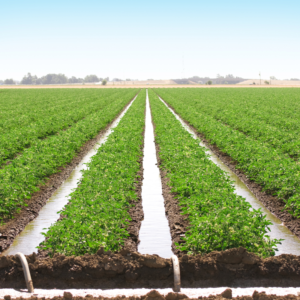
Surface/flood irrigation is a method of applying water over the surface of the soil using furrows, ridges, and ditches. In this form of irrigation, water is applied and distributed over the soil surface through gravity. Surface irrigation methods have evolved into a wide array of configurations, among them.
- Border irrigation.
- Basin irrigation.
- Furrow irrigation.
- Uncontrolled flooding (wild flood irrigation).
Manual irrigation.
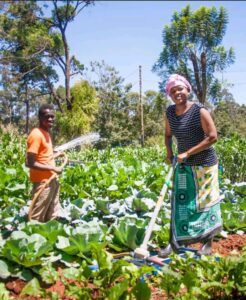
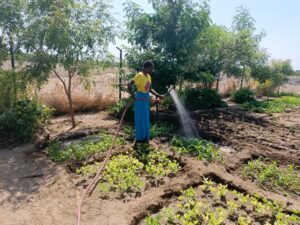
Manual irrigation refers to watering plants manually or using simple tools as hose pipes, soaker hoses, buckets, watering cans, or human powered pedal pumps. This method is suitable for irrigating small-scale farms or backyard gardens in dry climates. However, it is time-consuming and labor-intensive.
Sprinkler irrigation.
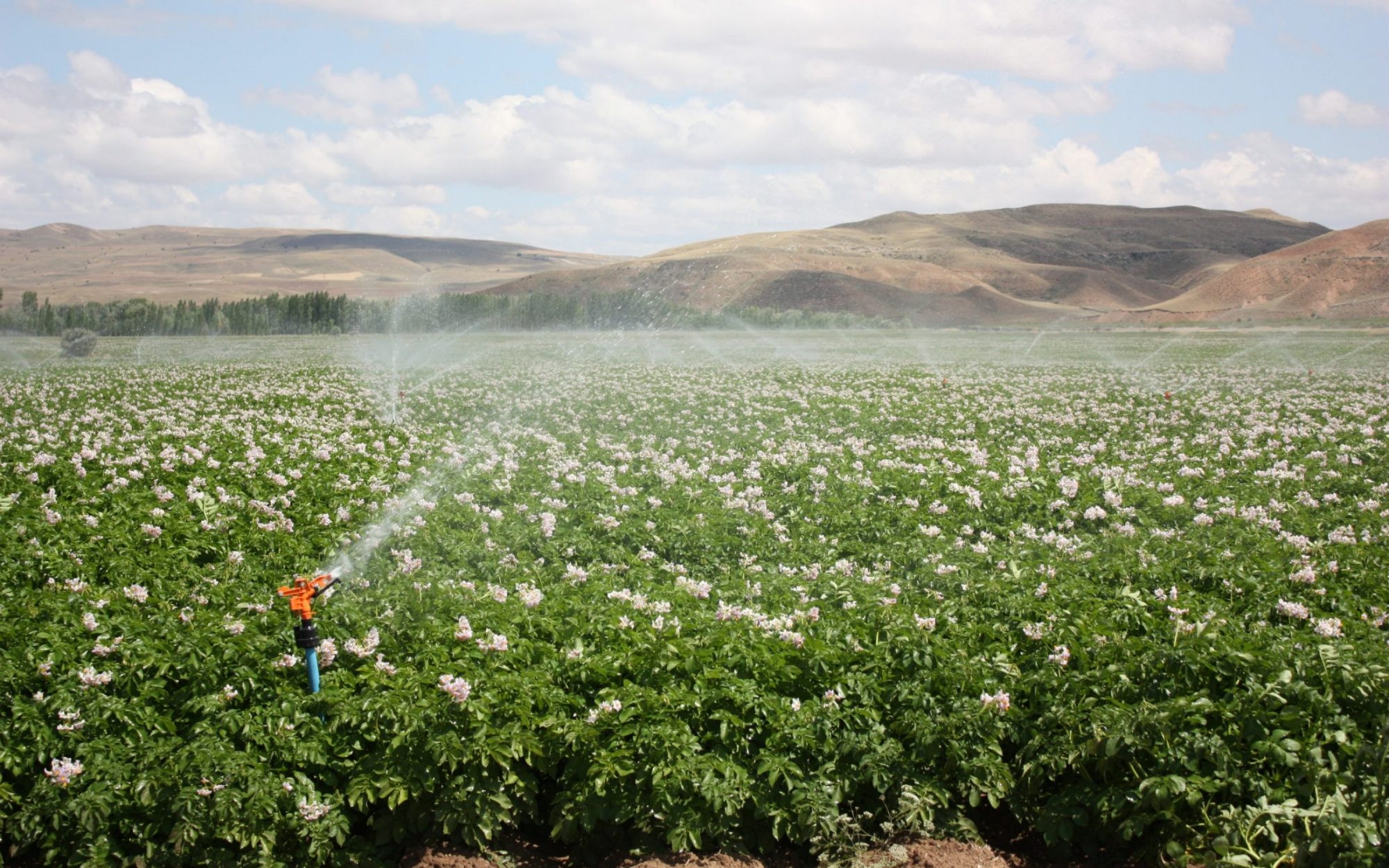
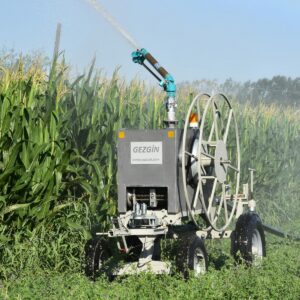
Sprinkler irrigation uses a pressurized system to apply water in a method that mimics rainfall to the soil surface. Water is distributed through a system of pipes usually by pumping. It is then sprayed into the air through sprinklers so that it breaks up into small water drops, which fall to the ground.
Sprinkler irrigation systems include.
- Centre pivot sprinklers.
- Traveling sprinklers (water reels).
- Boom sprinkler systems.
- Overhead sprinklers.
- Micro sprinklers, pop up sprinklers and rotor systems, impact sprinklers. .
Drip irrigation.
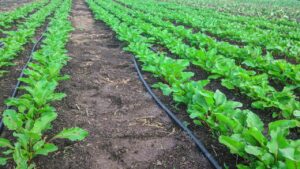
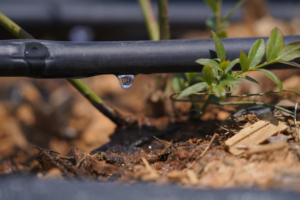
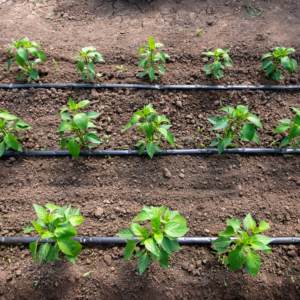
In drip irrigation or trickle irrigation, water is delivered at or near the root zone of plants, drop by drop. This method can be the most water-efficient method of irrigation, if managed properly, since evaporation and runoff are minimized. In modern agriculture, drip irrigation is often combined with plastic mulch, further reducing evaporation, and is also the means of delivery of fertilizer. This process is known as fertigation.
 Other Irrigation Related Considerations and Technologies.
Smart irrigation (Irrigation automation).
Smart irrigation systems are automated watering solutions that use sensors (soil moisture, weather) and data (real-time conditions, plant needs) to deliver precise amounts of water exactly when needed, significantly reducing waste compared to fixed timers, saving water, and promoting healthier plants in agriculture and landscapes. They use technologies like IoT, AI, and weather-based controllers to adjust schedules dynamically, preventing overwatering and improving efficiency. Smart irrigation controllers include weather based controllers, soil moisture sensors, evapotranspiration (ET) controllers, and smartphone enabled controllers.
Vermiculite and hydrogels/superabsorbent polymers (SAPs).
Irrigation super absorbent polymers (SAPs) or hydrogels are soil conditioners that absorb massive amounts of water (hundreds of times their weight) and release it slowly to plant roots, drastically improving water retention, reducing irrigation frequency, and combating drought stress, especially in arid regions, leading to better crop yields and water efficiency by creating a root-zone water reserve. These hydrogels (often polyacrylates) can be synthetic or biodegradable (organic), with biodegradable options improving soil health while preventing environmental buildup.
Valley dams and irrigation ponds.
Valley dams or reservoir dams are excavated or constructed water storage facilities, often built in valleys to capture and store surface runoff for livestock, irrigation, and domestic use, serving as crucial water sources in arid or water-stressed regions. Valley dams can be concrete, earthen, or lined with materials such as pond liners. Pond liners are water-resistant materials used to prevent seepage and retain water in large man-made water bodies such as irrigation reservoir dams, retention basins, and irrigation ponds.
Greenhouses.
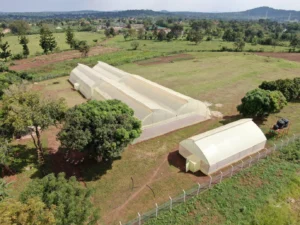
A greenhouse is a closed space for the cultivation of flowers, fruits, or vegetables, consisting of a structure that supports a translucent outer shell, glass, or plastic. It is a protected place where you can control environmental factors for optimal plant growth, designed to regulate the temperature and humidity of the environment inside. There are different types of greenhouses, but they all have large areas covered with transparent materials that let sunlight pass and block it as heat. The most common materials used in modern greenhouses for walls and roofs are rigid plastic made of polycarbonate, plastic film made of polyethylene, or glass panes. The terms greenhouse, glasshouse, and hothouse are often used interchangeably to refer to buildings used for cultivating plants. The specific term used depends on the material and heating system used in the building.
Foggers and misters (misting and fogger irrigation systems).
Misting and fogger irrigation systems use ultra-fine water droplets to provide gentle, uniform moisture for plants, ideal for seed germination, propagation, cooling greenhouses, and humidifying sensitive crops, offering high water efficiency by minimizing runoff and evaporation, with applications ranging from nurseries to large-scale horticulture, often integrating fertilization or pest control. These systems create a fine fog, sometimes called “dry fog,” using specialized nozzles under low or high pressure, delivering water directly to leaves and roots for optimal plant health. Fog is a fantastic alternative to mist in specific applications including germination and propagation in greenhouses. This is because fog can provide a more uniform wetting across the plants in the greenhouse without over-saturation of the soil, thus reducing disease and fungal growth. Mist is often used for temperature control in outdoor settings such as decks, patios, pools, and animal shelters/enclosures, as well as some applications of watering. The small droplets are perfect for delicate plant foliage, such as ferns or some ground cover, where traditional sprinklers may be too damaging to the plant structure. One application that specifically misters are recommended for is the propagation of rooted cuttings. This is because mist covers the leaves and stems to remain consistently moist, but not soaked.
Hydroponic systems.
Hydroponic systems are advanced irrigation methods that grow plants in nutrient-rich water without soil, delivering essential minerals directly to the roots for faster growth, higher yields, and efficient resource use, often involving recirculating systems like Nutrient Film Technique (NFT) or drip irrigation, which significantly reduce water waste and eliminate soil-borne pests, making them ideal for controlled environments like greenhouses. With hydroponics, plants such as flowers, herbs, and vegetables are grown in a nutrient-rich water solution, allowing for optimized growth, increased yields, and precise control over environmental conditions. In hydroponics, the roots of the plants are directly exposed to the nutrient solution, allowing for efficient absorption of nutrients. To support the plants, various inert growing media such as perlite, coconut coir, or Rockwool are used to provide stability and aeration. The plants can be grown in containers, trays, or vertical systems, depending on the chosen hydroponic technique. One of the key advantages of hydroponic systems is the precise control they offer over environmental factors. Parameters like light intensity, temperature, humidity, and nutrient composition can be fine-tuned to create an ideal growing environment. This level of control allows for accelerated plant growth, increased yields, and the ability to grow crops in any season.
Fertigation and chemigation.
Chemigation systems use irrigation infrastructure (sprinklers, drip lines) to inject water-soluble agrochemicals like fertilizers (fertigation), fumigants (fumigation), pesticides and their surfactants and adjuvants (fungigation, herbigation, insectigation) for efficient, uniform, and timely crop application, reducing labor, soil compaction, and chemical waste while protecting water sources through proper injection equipment and safety protocols, especially on center pivots, drip, or micro-sprinklers. Fertigation, also called nutrigation, is the application of soluble fertilisers and micronutrients to crops through an irrigation system. Drip irrigation is highly suited for fertigation. Chemigation is an alternative option to aerial and ground agrochemical application and can be an effective method of applying agrochemicals without increasing field traffic, especially when crop height restricts ground applications. Fertigation is generally used to supply the crop’s nitrogen, phosphorus, potassium, calcium, and magnesium needs. Soluble and liquid forms of various micronutrients are also now suitable for use in fertigation.
Irrigation tile drainage and French drains.
Irrigation tile drainage systems use underground perforated pipes (tiles) to remove excess subsurface water from fields, preventing waterlogging, improving soil aeration, and allowing for earlier field access and planting, which boosts crop yields and land value. These systems, traditionally clay but now often plastic (HDPE/PVC), create optimal soil conditions by maintaining moisture levels between saturation and wilting point, closer to field capacity, benefiting crop growth and farm operations. Tile drains are often referred to as French drains, footing tiles, weeping tiles, clay tiles, tiling systems, perforated drains, foundation drains, or rubber drains.
Irrigation water metering.
Irrigation water metering is crucial for optimizing water use, improving crop yields, and ensuring sustainability by providing precise data on water application, which prevents waste from over-irrigation and loss from under-watering, while also detecting system leaks or blockages, and saving costs. The data from an irrigation flow meter serves invaluable functions within a comprehensive agricultural water management program.
Efficiency and optimization. Precise water measurement is the foundation of efficiency. Flow meters allow farm managers to verify that the system is distributing water uniformly and at the intended application rates. Even small inaccuracies can lead to significant waste. By providing accurate data, flow meters empower farmers to optimize irrigation plans and ensure crops receive the correct amount of water for healthy growth.
Leaks and blockage detection. One of the most powerful applications of a water meter for irrigation system is diagnostics. When integrated with water management software, the system can compare the real-time flow rate against the expected flow rate for a given irrigation event. A significantly higher flow rate indicates a major leak or line break, while a lower flow rate can signal a blockage, a failing pump, or a partially closed valve. The software can then trigger an immediate alert, allowing operators to address the problem before catastrophic water loss or crop damage occurs.
Fertigation applications. Those choosing to irrigate by a ratio or proportionally need a water meter to tell the irrigation control system what ratio to dose the fertilizer material.
Regulatory compliance. Agricultural water users may be required by law to report their consumption (abstraction rates) to regulatory bodies. An accurate, reliable flow meter provides the auditable, defensible data necessary to meet these legal requirements, protecting the operation from potential fines and sanctions.
Irrigation auditing.
An irrigation audit is a routine, holistic examination of an irrigation system. During an audit, professional irrigation auditors gather key data points, such as uniformity of application, precipitation rate, and overall system condition. All components of a particular system are inspected for efficiency and functionality. The assessment looks at any potential challenges, like leaks, clogs, or uneven water distribution, plus the irrigation system itself to determine the overall efficiency, functionality, and effectiveness of the entire irrigation system.
 Increased crop yield and quality. Proper irrigation ensures crops receive constant and adequate water supply to crops and plants. This contributes to an increase in yield, better crop quality and promotes uniform growth.
Improved crop success rate. Irrigation reduces the risks caused by unpredictable weather patterns, such as droughts or irregular rainfall, by providing a consistent water supply, allowing for stable food production and preventing crop failures and food shortages.
Crop diversity. Farmers can grow wider range of crops, including water intensive crops like fruits, forages, and vegetables when using an irrigation system. It can promote crop diversification and reduces dependence on a single type of crop. As a result, this assists to maintain soil health and improves resilience to pests and diseases.
Extended growing seasons. Irrigation allows for the extension of growing seasons beyond natural rainfall periods, enabling farmers to cultivate crops year-round and optimize land use.
Improved soil structure. Using an irrigation system can assist to control and prevent soil erosion, improve soil structure, and maintain a balanced moisture level.
Increase in farm income. Higher crop yields and increased agricultural production resulting from irrigation can lead to improved income for farmers, their families, and local economies.
Stable food supply. Irrigation plays a crucial role in ensuring a stable food supply by reducing the impact of weather-related fluctuations in crop production. This is particularly important for regions with unreliable rainfall. Irrigation reduces the dependency on rainfall, making food production more predictable and stable.
Consistent quality. Irrigation contributes to consistent crop quality since it helps to maintain optimal conditions for growth, reducing the risk of stress-related issues that can affect the quality of produce.
Enhancing crop growth. Water is essential for photosynthesis, nutrient absorption, and overall plant health. With irrigation, crops can thrive even in dry conditions.
Overcomes unsuitable land. Irrigation enables farming in arid or semi-arid areas that wouldn’t otherwise support crops production. This expanded cultivation helps bring more land into productive agricultural use.
Drought and climate resilience. Protects against unpredictable rainfall and drought, reducing crop failure risks and stabilizing food security.
 Soil type. Soil characteristics, like texture and structure, will determine the water distribution within the soil, thus the right irrigation method needs to be adjusted accordingly. The type of soil in an area can affect not only the type of irrigation method used but also the irrigation run times. Sandy soils typically require frequent applications of water at a high rate to keep moisture in the root zone. Tighter clay soils can hold moisture longer than sandy soils, but may require frequent applications at a lower rate to prevent runoff.
Crop requirements. Naturally, the specific requirements of the crop are a basic guideline for whatever comes next. According to specific crop needs, the irrigation system will be designed. If the water demand is expected to be high, the system will need to be able to meet the demand. Depending on water availability and other factors, flow rates and pressure will be determined. Drip irrigation will supply water with lower pressure and lower flow rates as opposed to sprinklers for example. If there is a need for cooling and climate control, an overhead sprinkler irrigation system will be the preferred choice.
Climate and weather conditions. Climate and weather conditions go a long way when it comes to choosing an irrigation method. Windy conditions, for example, will scratch sprinkler irrigation off the table. Their distribution uniformity is compromised under these conditions. Under windy conditions, drip irrigation has a distinct advantage. Evaporation and high temperatures, on the other hand, will sometimes necessitate the use of sprinklers for a higher application rate and climate control respectively.
Land topography. The slope of the land significantly influences water distribution and irrigation uniformity. It is important to adapt the system design to the topographical characteristics of the area. Some irrigation methods are suitable for very specific topographies. Surface irrigation will only ever be considered in flat areas. Drip irrigation on the other hand has absolutely no restrictions either in flat areas or in sloppy terrane. Especially pressure compensated emitters, which emit the same exact volume of water under different hydraulic pressures.
Cost and affordability. Regardless of all the other natural and physical considerations, cost and affordability will have the last say at the end of the day. The initial investment might differ considerably between two different options. However, the ongoing long-term costs might be much more important. The return on investment and system operational costs must be evaluated before making a choice. Pivot irrigation for example has a very high initial investment but also high long-term maintenance costs. In this case, the investment is for the long run.
Water quality. All drip irrigation systems require some type of filtration. Overhead systems such as sprinklers seldom require filtration. Irrigation water should be tested for water borne pathogens. Depending on the crop grown and irrigation method used chlorine injection may be required. Other water quality issues that may be of a concern include levels of soluble iron and other dissolved minerals.
 Local regulations and irrigation water abstraction permits. Different countries have specific regulations and guidelines regarding irrigation systems, including water usage restrictions, installation standards, and permits. It is essential to check with local authorities or water management agencies to ensure that the irrigation system complies with any applicable regulations. Compliance with local guidelines helps avoid potential fines, ensures that the system operates within legal requirements, and promotes responsible water management practices.
Type of crops grown. Sprinkler and drip systems can require high levels of investment. For this reason, it’s better to reserve their use for high-value crops like vegetables, small fruits, and orchard crops rather than applying them to commodity/lower value staple crops like wheat and soybeans. Drip irrigation is suited to irrigating individual plants or trees or row crops such as vegetables, matooke, and coffee. It is not suitable for close growing crops such as rice.
Water pressure. Water pressure is an important consideration as it determines the effectiveness of the irrigation system in delivering water to plants. Low water pressure may result in inadequate coverage and poor water distribution. On the other hand, high water pressure can cause excessive water runoff and waste. Additionally, the amount of pressure has an effect on resultant sprinkler drop sizes. As water sprays from a sprinkler it, breaks up into small drops between 0.5 and 4.0 mm in size. The small drops fall close to the sprinkler whereas the larger ones fall close to the edge of the wetted circle. Large drops can damage delicate crops and soils and so in such conditions it is best to use the smaller sprinklers. Drop size is also controlled by pressure and nozzle size. When the pressure is low, drops tend to be much larger as the water jet does not break up easily. So to avoid crop and soil damage use small diameter nozzles operating at or above the normal recommended operating pressure.
 Planning and design. Start by assessing the landscape and irrigation needs. Consider factors like the type of plants, soil type, and climate. Create a detailed sketch of the lawn or garden, marking the areas that need irrigation. Identify the water source and plan the layout of pipes, valves, and sprinkler heads or drip emitters.
Selecting the right components. Choose the appropriate irrigation components based on irrigation needs and budget. Ensure compatibility between different parts, such as controllers, valves, and sprinkler heads or emitters. Opt for high-quality materials to ensure durability and efficiency.
Preparing the site. Clear the area of any debris, rocks, or obstacles that may interfere with the installation. Ensure the soil is adequately prepared for trenching if necessary.
Digging trenches and preparing underground. With the site prepared, it’s time to dig the trenches for irrigation pipes. The depth of trenches is crucial; too shallow, and the pipes could be damaged by garden equipment; too deep, and they’ll be difficult to access for maintenance.
Installing pipes and backfilling. Lay out the mainline pipes from the water source to the designated irrigation zones. Dig trenches to bury the pipes, ensuring they are at the correct depth to prevent damage from surface activities. Assemble the pipes, ensuring secure connections with proper fittings and properly backfill.
Installing valves and controllers. Install valves at key points to control water flow to different zones. Ensure they are easily accessible for maintenance. Connect the valves to the irrigation controller, following the manufacturer’s instructions for wiring and programming.
Installing sprinkler heads or emitters. Position sprinkler heads or emitters based on the design, ensuring proper spacing for even water distribution. Adjust the spray patterns or flow rates according to plants’ needs.
Connecting to the water source. Connecting the irrigation system to a water supply source is a critical step in the installation process. This connection serves as the lifeline for the entire system, so it’s essential to get it right.
Installing a shut-off valve. A shut-off valve is an unsung hero in the irrigation system. It allows to control water flow to the irrigation system independently from the main water supply. This component is crucial for several reasons, including maintenance and in emergency situations as pipe bursts where it allows you to quickly stop water flow to prevent flooding and water waste.
Testing and adjustments. Turn on the system and check for any leaks, clogs, or malfunctions. Adjust the sprinkler heads or emitters for optimal coverage and water distribution. Program the irrigation controller to set appropriate watering schedules based on the landscape’s requirements.
Maintenance. Regular maintenance is crucial for the longevity and efficiency of the irrigation system. Check for leaks, clean filters, and adjust sprinkler heads or emitters as needed.
 Repair and maintenance of irrigation system. Proper maintenance and timely repair are crucial for keeping irrigation systems in top shape. A well-functioning irrigation system ensures that lawns and gardens receive the right amount of water, promoting healthy plant growth and conserving water.
Regular inspection of irrigation system. Conduct regular inspections of the irrigation system to identify any issues early. Check for leaks, clogs, and broken sprinkler heads. Ensure that all components are functioning correctly and that the water pressure is adequate. Regular inspections help catch problems before they escalate.
Cleaning sprinkler heads. Sprinkler heads can become clogged with dirt and debris over time, reducing their efficiency. Clean them regularly to maintain optimal performance. Remove any visible debris and use a small brush to clear any blockages.
Adjusting sprinkler heads. Sprinkler heads can sometimes become misaligned, leading to uneven watering. Check and adjust the direction of the sprinkler heads to ensure they are covering the intended areas. Proper alignment prevents overwatering or underwatering, which can harm plants and lawn.
Checking for leaks. Leaks in the irrigation system can lead to water waste and increased utility bills. Inspect the system for any signs of leaks, such as wet spots in the lawn or unusually high water bills. Repair any leaks promptly by replacing damaged pipes or fittings. Tighten any loose connections to prevent further leaks.
Pressure fixes. High or low water pressure can wreak havoc on the irrigation system. High pressure often causes misting, wasting water as it blows away or evaporates. Installing a pressure regulator can help maintain optimal pressure levels. If the entire system has pressure issues, consider adding a regulator to the main water line. Low pressure might indicate a leak or blockage in the pipes. In this case, a professional audit can help locate and fix the problem efficiently.
Adjust for the seasons. The garden’s water needs will change throughout the year. Reduce run times in cooler months and after heavy rainfall, and increase them slightly during extended dry or hot periods. If the controller supports it, use a seasonal adjustment feature or connect a smart weather-based sensor to automate changes.
Replace worn or damaged parts quickly. Sprinkler heads, seals, drip lines, and hoses all wear out over time. Waiting too long to replace them can create a chain reaction of problems; low pressure, uneven watering, and even pipe damage. Keep a small inventory of common replacement parts so to make repairs right away.
Flush the drip irrigation system periodically. Flushing involves opening the line ends and allowing water to run through, clearing out sediment or dirt. This step is essential after every fertigation cycle or before seasonal use.
Use proper water treatment. Water quality affects system performance. Adding filters, chlorination, or acid treatment (when needed) helps control algae and mineral deposits inside the pipes.
 Failing to check for leaks. It is essential to make sure that you are regularly checking for leaks, as it can have devastating effects on the landscape. Failing to check for leaks can result in wasted water and the death of any plants receiving too much or too little water.
Ignoring low-pressure warning signs. Low pressure can cause severe damage to irrigation systems. It can cause the system to become clogged, the nozzles can become damaged, and the system can become completely inoperable. Taking action is essential if you notice the system is running with low pressure. It may be something as simple as a clogged nozzle that needs to be cleared or a more significant issue, such as a broken pipe or malfunctioning controller. Either way, it’s essential to address the issue immediately to avoid further damage.
Not cleaning the sprinkler heads. It is important to notice the maintenance of the sprinkler heads. These precious tools can become clogged without proper maintenance, resulting in decreased water pressure and an effective spray. The established pattern of the sprinkler heads can become distorted and miss the lawn area that needs the most attention.
Overloading the system. Many farmers add too many drippers/emitters to a single drip line to water more plants. While this seems like a good idea, it can overload the drip system. When too many drippers are on one line, water pressure drops, and the drippers may not work properly. This results in uneven water distribution. Plants at the far end of the line may get little or no water, while those closer to the water source get overwatered.
Mismatched irrigation zones. Grouping plants with disparate water requirements within the same irrigation zone can lead to overwatering or underwatering. For instance, turf grass typically demands more frequent watering than drought-tolerant shrubs. To mitigate this issue, design irrigation zones that cater to the specific needs of plant groupings, ensuring uniform moisture distribution and promoting optimal growth.
Inadequate system maintenance. Neglecting regular maintenance of irrigation systems can result in leaks, clogs, and inefficiencies. Such oversights not only waste water but also escalate utility costs. Implementing a routine inspection schedule allows for the timely identification and correction of issues, thereby preserving system integrity and functionality.
Improper scheduling. Applying water at inappropriate times or frequencies can harm plants and deplete water resources. Overwatering may lead to root rot, while underwatering stresses plants, hindering their development. Crafting a watering schedule that aligns with plant species, soil conditions, and climatic factors is essential for fostering a healthy garden or landscape.
 Ignoring soil and weather conditions. Overlooking the influence of soil composition and weather patterns on irrigation can lead to suboptimal watering practices. Sandy soils, for example, drain quickly and may require more frequent irrigation, whereas clay soils retain moisture longer. Additionally, failing to adjust watering schedules during rainy periods can result in waterlogged plants. Assessing soil types and monitoring weather forecasts enable more precise irrigation management.
Incorrect sprinkler placement hence inadequate coverage. Improper positioning of sprinkler heads can cause uneven water distribution, leading to dry spots (underlapping zones) or overwatered areas (overlapping zones). Ensuring that sprinklers are spaced correctly and provide head-to-head coverage is vital for uniform irrigation. This attention to detail prevents water waste and promotes consistent plant health.
Failure to install rain sensors. Operating irrigation systems during rainfall is a common oversight that leads to unnecessary water usage. Integrating rain sensors into irrigation systems can automatically halt irrigation during wet conditions, conserving water and preventing potential plant overhydration. This simple addition enhances system efficiency and aligns with sustainable practices.
Overlooking system pressure requirements. Incorrect water pressure can impair the performance of irrigation systems, causing inefficient watering and potential damage. High pressure may lead to misting and evaporation loss, while low pressure can result in inadequate coverage. Regularly checking and adjusting the system to maintain appropriate pressure levels ensures optimal operation and water conservation.
Neglecting system scalability. As the garden or landscape changes, irrigation needs may grow. Design irrigation systems with scalability in mind to accommodate future expansions without hassle. Initially, this means choosing components that allow for easy integration or extension. Modular systems are particularly beneficial as they provide the flexibility to add new zones or increase coverage without a complete overhaul. Having this vision during the initial design phase saves considerable time and resources when adjustments become necessary. Additionally, incorporating adaptable systems ensures seamlessly integration of emerging technologies over time. Embracing scalability not only future-proofs the investment but also aligns with eco-friendly practices, as it supports sustainable water use while adapting to your evolving landscape needs.
Lack of proper drainage planning. Ignoring drainage can lead to waterlogged areas and root damage. Incorporate a drainage system that allows excess water to escape efficiently. Assess the natural topography of the area to plan an effective drainage layout. Sloped areas can direct water away naturally, while flat landscapes might need added infrastructures like French drains or swales. These elements facilitate efficient water movement, preventing stagnation, which can breed plant diseases and attract pests.
Inefficient network design. Simplistic designs often fail to account for land topography and soil variability, leading to uneven water distribution. Design irrigation networks that adapt to the landscape, ensuring that all areas receive adequate water. Implement zone irrigation systems that cater to different parts of the farm with varying needs, ensuring every crop receives the right amount of water.
Inadequate trenching. Installing pipes too close to the surface makes them vulnerable to damage from gardening tools and foot traffic damage. Trenching is the most labor-intensive part of the installation, and is therefore sometimes neglected. Many installations are only trenched to shallower depths. Unfortunately, poor trenching can result in pipes frequently being punctured during gardening activities.
Failure to undertake seasonal adjustments. Seasonal adjustments are often overlooked but essential for maintaining an efficient irrigation system. As weather conditions change throughout the year, the landscape’s water needs will also change. Adjust the irrigation system’s schedule and watering times according to the season to ensure plants receive the right amount of water.