Mining and Petroleum Engineering
Under the mining and petroleum engineering consulting subsector, we offer a comprehensive suite of services, including, but not limited to;
- Mineral exploration and resource estimation,
- Mine design,
- Mining geotechnics,
- Mine water management,
- Mine waste management,
- Mine closure and remediation,
- Mining equipment and machinery,
- Mineral processing plants,
- Air quality monitoring,
- Occupational health and safety,
- Metal detectors and treasure hunters.
Mining engineering is a branch of engineering concerned primarily with the location and evaluation of mineral deposits, the survey of mining areas, the layout and equipment of mines, and the supervision of mining operations. This includes exploration and discovery of mineral resources, feasibility studies, mine design, development of plans and production, scheduling, operations, and processing, extending up to mine closure stages, and final land restoration and rehabilitation. There are four main mining methods i.e. underground, open surface (pit), placer, and in-situ mining. Underground mines are more expensive and are often used to reach deeper deposits.
Petroleum engineering is a field of engineering concerned with the activities related to the production of hydrocarbons, which can be either crude oil or natural gas. It requires a good knowledge of many other related disciplines, such as geophysics, petroleum geology, formation evaluation (well logging), drilling, economics, reservoir simulation, reservoir engineering, well engineering, artificial lift systems, completions and petroleum production engineering. It involves designing and developing systems to safely extract oil and gas from beneath the earth’s surface and analysing the economic value of existing gas or oil wells to determine cost-efficient ways to extract materials.
In mining, it should be understood that each mining project is unique. The industry is constantly evolving and adapting in response to society’s needs, stringent legislation, and advances in technology. Operational efficiency, safety, and cost optimization are key to the success of any surface or underground mining project. Our team of mining engineers, petroleum engineers, geologists, and environmental scientists provides a comprehensive range of services through all stages of mine development in a variety of climatic and seismic conditions, from evaluation and permitting, to design, construction, and closure. We offer independent, technically detailed perspectives on mining projects’ feasibility at all stages of mine development and operation.
Mineral Exploration and Resource Estimation
Mineral Exploration and Resource Estimation
Our geologists have expert knowledge of the mechanisms of orebody formation and distribution within a wide range of geological and tectonic settings. The exploration services we provide include target generation, field mapping and analysis, remote sensing and geophysics, geochemistry, mineral system modelling, exploration project management, audits and valuations, exploration strategy and governmental advice, health and safety guidance, and project implementation.
Accurate resource estimates depend on the collection of reliable samples during exploration. Sampling strategies must therefore be carefully designed to minimise the chances of gathering biased, unrepresentative, or contaminated material. Whether for grab samples, trenches, or diamond cores, sampling programmes must be tailored to the target mineralisation, ground conditions, and interpretation requirements and consider implementation practicalities.
Our geologists and geophysicists complete geological fieldwork, and advance projects through all phases of exploration. This is achieved through conducting exploration sampling, analysis, and QA/QC for geological interpretations and resource estimates. Successful exploration relies on efficiently interpreting geological, geochemical, and geophysical data then applying the results to the generation and testing of exploration targets.
Our services and solutions include capturing, validating, analysing, and managing technical data, then communicating the results with precision and clarity. By using appropriate sampling and quality assurance and quality control (QA/QC) procedures and protocols, we assure client confidence in our exploration data and mineral resource and reserve estimates.
Our mineral exploration deploys aeromagnetic surveys, satellite photos, or detailed maps and includes geophysical studies such as gravitational, magnetic, and electromagnetic surveys. Our complete scope of services includes;
- Mineral exploration targeting,
- Remote sensing and geophysics,
- Field structural analysis,
- Mineral exploration project planning,
- Exploration sampling, analysis and QA/QC,
- Mineral exploration field services,
- Exploration operation health and safety,
- Exploration project audit and valuation.
Core Drilling.
After a certain level of confidence is attained, core drilling will take place to prove and analyse mineral deposits. Core drilling refers to drilling a small diameter of rock (called core) from the earth. These holes may be drilled up to tens, hundreds, or even thousands of meters. This core is logged, then analysed for prospective minerals. Core samples are submitted to an assay lab to measure how much metal is in the rock.
Resource Modelling.
If initial core drilling results are positive, additional drilling often takes place to create more definitive resource modelling and resource estimates. Often, this follow-up drilling is used to develop a 3D resource model of where deposits may be located underground.
Preliminary Economic Assessment (PEA) and Feasibility Study.
The purpose of this stage of mineral exploration is to collect and analyse granular data, accurately mapping the deposit(s) for economical and viability estimates, and ultimately informing a final production decision.
Mine Design
Mine Design
Our mine design studies encompass feasibility study, preliminary design, and construction plans for both surface (open pit mines) and underground mines. The detailed feasibility and design reports cover aspects such as plant general layout, ore dressing, electrical power, communication, civil engineering, environmental protection, water supply and drainage, tailings, safety and fire protection, investment estimates, and economic benefit.
Our surface designs involve an optimizing approach to maximize the potential return on your mineral deposit. We undertake technical analysis to evaluate multiple pit sizes and select the ultimate pit not only on overall value but also on its marginal return per tonne. In generating our proposals, we take into account the amount of potentially acid generating material, total material movement, mine site foot print, and sensitivity analyses to provide you with a robust low risk project that can withstand changes in commodity prices as well as environmental pressures and community impacts.
Our underground designs begin with an evaluation of applicable mining methods given the deposit geometry, rock mass characteristics, ore body size, and layout. We then decide on the best methods focusing on the trade-off between higher cost selective mining methods and lower cost bulk mining methods. Our underground mine plans then detail the development sequence and mine discrete stopes or mining blocks to provide an accurate picture of required development capital and cash flow timing. We also incorporate variations in production rate and cutoff grade in a multi-scenario analysis to determine the most economic route for development and operations.
The production and cost estimation for our mine plans are developed from first principles using the drilling, blasting, loading, and hauling mining unit operations. This type of estimation method provides a detailed accounting of productivity, consumables, equipment operating hours, and required labour hours and can easily be carried from a scoping level study to feasibility. Our mine plans typically include detailed schedules for manpower, equipment, consumables, sustaining capital, development, and backfill. We have experience designing backfill systems, ventilation systems, development entries, dewatering systems, pump stations, and haulage systems.
Working Drawings.
When the preliminary design is approved, we start to design working drawings. Every aspect of a dressing plant needs a lot of construction drawings (structural drawings), schematic diagrams, process flow diagrams, sketches (generally over 100 working drawings), such as civil construction, mechanical drawings, electrical drawings, etc.
Mining Geotechnics
Mining Geotechnics
Mining geotechnics is an important step for the design of stable underground mine workings, pit slopes, tunnels, road cuttings, and tailings dams. Our geotechnical professionals have extensive knowledge of design and operation of stable underground mine workings, pit slopes, tunnels, road cuttings, and tailings dams. By providing clear, comprehensive design options, and assessing their associated time- and mining-related risks, we enable clients to make informed decisions based on their specific needs and risk profiles.
Our teams of experts, consisting of geotechnical, civil, soil, rock mechanics engineers, and engineering geologists, work closely with our structural geology, hydrogeology, hydrology, tailings, geoenvironmental, mine engineering, and mine closure groups. This integrated approach enables us to develop effective and innovative solutions to our clients’ specific problems. Our complete range of services includes;
- Geotechnics for mining infrastructure,
- Mining geotechnical investigation,
- Underground rock mechanics,
- Pit slope stability studies,
- Geotechnical numerical modelling,
- Geotechnical operational support,
- Rock mechanics studies,
- Geotechnical risk analysis for both open pit and underground mines,
- Tailings dam break analysis,
- Mud rush risk evaluation.
Mine Water Management
Mine Water Management
Water management is often a mine’s single greatest technical, permitting, and social challenge. Recognizing this fundamental need, our experts have taken pains to master all aspects of mine water management. We assist projects both in the cost-effective exploitation of water resources, as well as in the protection of those resources from the impacts of mining.
For mining and mineral processing activities, water management must be addressed at each project stage from feasibility to closure and must adhere to stringent environmental and social responsibility policies. Our combined surface and groundwater evaluation expertise gives you tools for assessing and satisfying the water needs of your project while also meeting broader development objectives. This integrated water management approach draws on our specialisms in hydrology, hydraulics, and hydrogeology as well as mining, geotechnical engineering, and environmental management. By fully appraising your issues, we deliver solutions that are appropriate, practical, and cost-effective.
Mine Waste Management
Mine Waste Management
We develop stable waste management facilities that are designed for practical operation and cost-effective closure and meet not only local permitting requirements, but also global best practices. Our extensive experience with tailings facilities, heap leach pads, and waste rock storage facilities helps clients minimize risk and keep projects on track and within budget. We help ensure the effectiveness and long-term stability of waste and tailings facilities by evaluating options to meet clients’ specific needs and risk profiles.
We manage mine waste with an interdisciplinary approach involving: mining engineering, civil engineering, water management, environmental engineering, and geotechnical engineering. We design not only routine waste rock facilities, but also can carry out complicated tailings, compaction and consolidation studies, and dynamic (earthquake) stability analyses. We design and construct tailings dams, design mine waste rock structures, evaluate the feasibility of complicated co-disposed waste facilities, and apply state-of-the-art designs for the encapsulation of acid-generating mine wastes to reduce the risk of acid rock drainage (ARD).
Mining operations can generate several different types of waste streams, including but not limited to;
- Sump pits,
- Tailings,
- Coal ash pits,
- Wash slime waste,
- Minerals refinement fractions,
- Heap leach pads.
Depending on the type of mining waste, mining polymers and super absorbent polymers (SAP) are used to manage and treat the mining waste, either through solidifying the waste or stabilizing tailings.
Acid Rock Drainage (ARD) and Acid Mine Drainage (AMD).
Acid Rock Drainage (ARD) is a natural process whereby sulphuric acid is produced when sulphides in rocks are exposed to air and water. Acid Mine Drainage (AMD) is essentially the same process, greatly magnified. The process of mining unearths rock that contain sulfides, which react with water and oxygen to form sulfuric acid. The acid is produced as long as there is sulfide present, lowering the pH of the water and impacting the surrounding environment by runoff. AMD not only destroys ecosystems when plants and animals are unable to survive in its extreme acidity, but can also dissolve toxic metals, such as arsenic, lead, and mercury from surrounding rocks and mobilize them. Even a small amount of these metals can be toxic to humans and wildlife. Furthermore, AMD often continues indefinitely, as it is impossible to seal the mines from percolating rain water.
Treating AMD requires neutralizing the acid and precipitating out metal ions. AMD can be treated either with chemicals or through passive systems. Treatment of AMDs relies on the reaction between the basic chemicals and the acidic mine drainage, which produces a neutral metal hydroxide, known as floc, which is a stable material and can be disposed of in abandoned deep mines or landfills. Normal river water has a pH of 7.4; natural water can have a pH from 6.5 to 8.5. AMD should be treated until it reaches a pH of 6.5.
Methods we deploy for AMD treatment include;
- Chemical treatment,
- Passive treatment,
- Constructed wetlands,
- Anoxic limestone drains (ALD),
- Successive alkalinity producing systems (SAPS),
- Limestone ponds,
- Open limestone channels (OLC),
- Diversion wells,
- Limestone dumping.
Mine Closure and Remediation
Mine Closure and Remediation
The process of understanding and planning for mine closure is challenging and often given insufficient attention in the early stages of mine development. With increasingly stringent legislation and standards for mine closure and reclamation, it is important to engage with the subject early in the project lifecycle and set expectations of what will happen when the mine closes. Without due consideration of mine closure planning, mines can face crippling liabilities upon reaching the end of their economic life.
Working closely with our clients, we integrate mine closure planning as an ongoing and adaptable component of the mine life cycle. This ensures that upon closure, liabilities are minimized and the project area is prepared for reclamation activities that will meet land use objectives. We help clients achieve significant economic savings for their projects, while improving sustainability by maximizing beneficial post-closure land uses for adjacent communities. Our complete service range includes;
- Mine closure strategy and planning,
- Mine closure design and engineering,
- Mine closure and compliance cost modelling,
- Mine closure water balance studies,
- Mine rehabilitation and environmental remediation,
- Environmental assessment and rehabilitation of derelict mines.
Environmental Remediation and Contaminated Soil Remediation.
Soil Washing.
Soil washing is an environmentally friendly remediation technology designed to eliminate soil contaminants effectively. The process typically involves the use of water or other specialized solvents to physically and/or chemically remove or neutralize pollutants. The selection of the most suitable method is contingent on factors such as the quantity and type of contaminants present in the soil, the soil’s composition, and the unique conditions of the site. Soil washing is frequently combined with other remediation techniques to ensure comprehensive cleanup of contaminated sites. We effectively resolve the most challenging assignments and issues related to investigation, assessment, management, and remediation of sites contaminated with hazardous, toxic, and radioactive wastes. Soil washing involves different forms as;
Water-Based Soil Washing: In this method, contaminated soil is blended with water to create a slurry. The slurry is then separated into distinct fractions based on particle size and density. Contaminants are typically removed by the water and fines which can be treated separately, allowing the cleaned soil to be reintroduced into the environment.
Chemical Solvent Washing: In cases where water alone may not suffice to remove specific contaminants, chemical solvents such as chelating agents can be incorporated into the washing process. This addition enhances the removal of targeted pollutants by breaking them down and facilitating separation.
Surfactant-Enhanced Soil Washing: Surfactants, which reduce water’s surface tension and enhance its wetting ability, can be introduced to the washing process to improve the elimination of hydrophobic contaminants from the soil.
Bioremediation: This method involves a biological soil washing technique that employs microorganisms to degrade or metabolize contaminants in the soil. In certain instances, the introduction of specific bacteria or fungi to the contaminated soil can expedite the breakdown of organic pollutants.
Electrokinetic Soil Washing: Electrokinetic remediation utilizes an electric field to transport charged ions and water through the soil. This process aids in the transportation of contaminants to specific collection points where they can be extracted and treated.
Soil Flushing: This technique entails injecting water or other suitable solvents into the contaminated soil to mobilize the contaminants, enabling their collection and subsequent treatment. Soil flushing is particularly effective for soluble contaminants.
Sorbent-Based Soil Washing: Sorbents such as activated carbon or zeolites can be combined with contaminated soil to adsorb contaminants. Following this, the sorbents are separated from the soil, along with the attached contaminants, leaving clean soil behind.
Ultrasonic Soil Washing: Ultrasonic waves are employed to agitate and disintegrate contaminants in the soil. The vibrations generated by ultrasound aid in releasing contaminants from soil particles.
Pneumatic Soil Washing: Air is employed in this method to separate contaminants from the soil, proving particularly effective in the removal of volatile organic compounds (VOC).
Oil Containment Booms for Oil Spill Response Planning.
A containment boom is a floating barrier used to control the spread of an oil spill. Booms are used to protect shorelines and other vital environmentally sensitive areas, while oil skimming systems are designed to recover oil and other floating liquids from water.
At SANKOFA, we design contaminated site remediation programs that couple a best-business approach to mitigate risks and ensure the site meets regulatory standards and is a safe place for employees, the public, and the environment. Our expert team consisting of multiple scientific disciplines as environmental scientists, toxicologists, geochemists, and hazmat specialists uses the latest innovative remediation technologies to address site environmental remediation challenges. We strive for a closure that prioritizes safety, reduces hazards, and minimizes environmental liabilities, while controlling costs. We support progressive rehabilitation, restoration, reclamation, asset transformation, mine water treatment, tailings valorization, and post-closure monitoring.
Mining Equipment and Machinery
Mining Equipment and Machinery
We supply a number of mining equipment such as;
- Roadheaders,
- Robotic shotcrete machines,
- Hydraulic rock bolting rigs,
- Hydraulic tunnelling drilling rigs,
- Mining drilling rigs,
- Tunnel boring machines (TBM),
- Raise boring machines (RBM) and raise boring rigs (RBR),
- Underground mining utility vehicles,
- Heavy duty hydraulic slurry pumps,
- Surface drill rigs,
- Underground drill rigs,
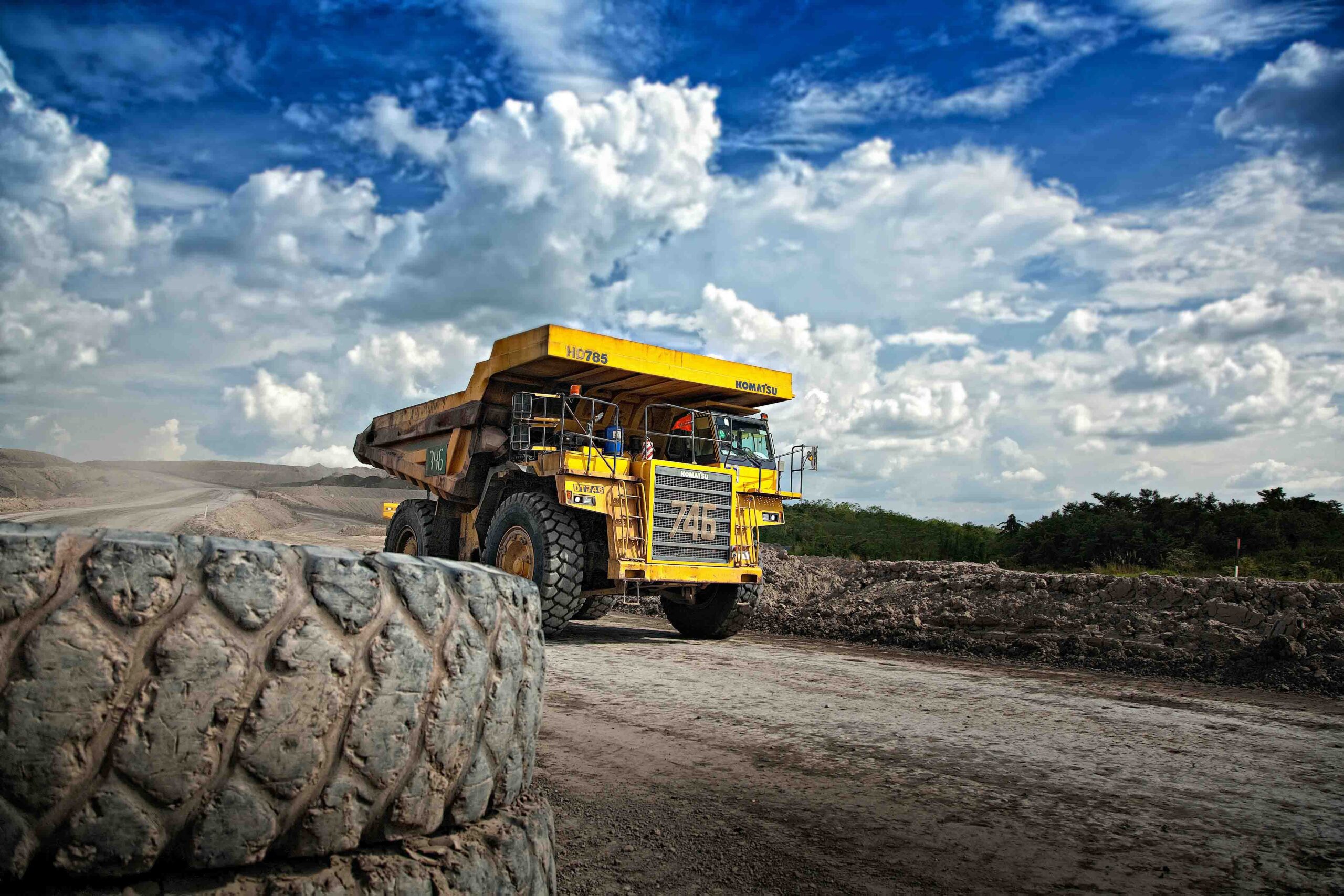
- Off highway mining trucks,
- Battery electric loaders and diesel loaders,
- Bolter miners,
- Continuous miners,
- Borer miners,
- Longwall face bolters,
- Rock support drill rigs,
- Cable bolters,
- Hydraulic grabs,
- Crawler mounted directional drills,
- Explosive magazines,
- Explosive vans,
- Mining turrets,
- Split feed jumbos,
- Fracturing trucks,
- Utility vehicles,
- Hydraulic rock breakers (hydraulic hammers),
- Hoist winches,
- Mining winches,
- Shaft sinking winches,
- Rotary drilling rigs,
- Mine cars and mine carts,
- Mining locomotives.
Fishing and Fishing Tools.
There is no doubt that drilling engineers will come across a host of problems during the drilling process. The drill string or drilling bit may break or drop into the hole while the pipe and other devices or tools may fall from the rig floor into the borehole. All of the pieces fallen into the oil well are called “fish” or “junk”, through which the common drilling bits cannot drill. Under this circumstance, certain types of fishing tools are employed. Each fishing tool is designed to deal with a specific situation, that is, to perform a specific fishing task or recycle a certain type of fish. In most cases, the fishing tools are screwed into the end of the fishing string and lowered to the bottom of the well with the fisherman guided to the top of the fish.
Fishing Tools
The fishing tools for drilling are the most widely used tool for overhauling oil and water wells. There are many varieties and specifications of fishing tools for drilling. According to the types of falling objects in the well, they can be divided into five categories: spear tools, overshot tools, junk baskets, hook fishing tools, and cutter tools. The complete list of fishing tools includes;
- Releasing casing spears,
- Short catch overshot,
- Reverse joints,
- Adjustable hooks,
- Fishing spears,
- Releasing spears,
- External fishing grabs,
- Internal fishing grabs,
- Fishing magnets,
- Die collars,
- Taper taps.
Mining Consultation.
We offer a wide range of mining services, including;
Prefeasibility and Feasibility;
- Mining feasibility studies,
- Mineral geological surveying and exploration studies (mineral prospecting surveys),
- Mining quarry design and mineral resource estimation (ore reserve estimation),
- Mine site layout and facility planning,
- Mine geotechnical designs,
- Greenfield and brownfield site planning and development,
- Mineral deposit assessments,
- Preparation of ore processing plant masterplans,
- Gas and oil exploration surveys,
- Feasibility study and front end engineering design (FEED) of oil refineries,
- Field camp design and construction (camp set up),
- Open pit mine design, planning, and engineering,
- Underground mine design, planning, and engineering,
- Rock chip sampling,
- Property evaluation,
- Concept development and scoping,
- Geological and mineral exploration advice and mapping services,
- Preliminary economic assessments (PEA),
- Geotechnical and sampling assessment for early-stage projects.
Mining and Operations;
- Tailings dam monitoring and instrumentation,
- Resources and reserves audits and updates,
- Tailings dam breach assessments and inundation studies,
- Tailings liquefaction assessments,
- Mine waste characterization,
- Design of tailings dams, decant systems, spent ore dumps, waste rock facilities, encapsulation design, and geomembrane dam liner design for waste containment,
- Heap leach pad design,
- Waste dump design and stability analysis,
- Seismic hazard evaluations,
- Slope stability analysis and slope steepening studies,
- Coal bed methane studies,
- Environmental monitoring stations i.e. geohazards (geotechnical instrumentation), air quality,
- Retaining systems, tie back, and soil nail wall design,
- Blast and vibration monitoring,
- Design of underground roads, rail, water sewage tunnels, and storage caverns,
- Oil and gas well pad designs,
- Oil spill preparedness and response planning,
- Oil pollution emergency plans (OPEP),
- Operational and scientific monitoring plans (OSMP) for oil spill planning,
- Oil pipeline integrity assessments,
- Full-scale testing of pipeline anomalies,
- Water balance studies,
- Explosives storage design,
- Drill and blast design and guidance (explosives and blasting engineering), pre and post blast surveys,
- Geologic hazard assessments and testing,
- Mine ventilation planning and design,
- Toxic gas monitoring in mines,
- Design of oil pipeline routes, supply and installation of coated line pipes,
- Hydrocarbon contamination assessments,
- Metallurgical assessments and process reviews,
- Mine operational improvements and expansions,
- Milling circuit optimisation,
- Pit water management studies,
- Mine dewatering,
- Mine expansion viability studies,
- Photogrammetry surveys for open pit mines,
- Mine Wide Surface Plant Structures Integrity Audit Project
- Comprehensive mine wide corrosion integrity audit of surface infrastructure
- Brownfields process plan site visit and audits,
- Operational troubleshooting and problem solving,
- Technology integration and automation optimisation,
- Process plant optimisation and studies,
- Mine to mill optimisation studies,
- Economic evaluation and asset management assessment,
- Plant performance testing and validation,
- Specialist ore sorting, DMS and flotation recovery circuit design,
- Comminution circuit design and trade-off studies,
- Particle ore sorting studies,
- Bulk ore sorting studies,
- Ore sorting testing,
- Plant audits,
- Ore sorting process and plant design,
- Relict foundation and obstruction assessments.
Mine Closure;
- Mine closure and decommissioning,
- Contaminated sites assessment,
- Underground surveying,
- Contaminated site clean-up and remediation,
- Non radiological contaminated soils remediation,
- Mine rehabilitation engineering and design,
- Site-wide closure pre-feasibility studies and development of detailed mine closure plans,
- Asset retirement and reclamation designs,
- Waste soil classification,
- Rehabilitation of red mud bauxite wastelands,
- Abandoned mine working surveys.
Mineral Processing Plants
Mineral Processing Plants
We supply and install a number of mineral processing plants such as;
- Jaw crushers,
- Cone crushers,
- Loader hoppers,
- Impact crushers,
- Gyratory crushers,
- Vibratory feeders,
- Ore crushing, grinding, and beneficiation plants,
- Conveyors and screening machines,
- Linear dewatering screens,
- Rotary dryers,
- Mineral processing plants,
- Sensor enabled ore sorting equipment,
- Dressing equipment,
- Ball mills for ore dressing,
- Flotation machines,
- Wet pan mills,
- Spiral chutes,
- Ore processing production lines,
- Rotary kilns,
- Trommel screens,
- Pugmill plants (pugmill systems),
- Portable wash plants,
- Screening plants,
- Shaker tables,
- Jig separators,
- Mobile crushing and screening plants for mines and quarries,
- Jig concentrators,
- Cyclone dust collectors,
- Sand washing machines,
- Desliming hoppers,
- Submerged slurry pumps,
- Aggregate production lines,
- Mobile laboratories for basic sediment and water analysis (BS&W) in crude oil i.e. trailer based, truck based, and ground based laboratories for onsite analysis of crude oil samples (oil analyzers/oil testing laboratories/petroleum testing laboratories),
- Mobile crushing stations.
Air Quality Monitoring
Air Quality Monitoring
Ensuring safety from hazardous gas and materials has never been more important than within the harshness of mining environments, with potential hazards from carbon monoxide, methane, and oxygen deficiency. Mining applications are rife with danger. With this in mind, those working within them need to be suitably equipped to enter these spaces and work safely, and this is what makes gas monitoring in mines very essential. We supply the following portable and fixed gas detectors;
- Ambient air quality monitoring stations i.e. can detect over 20 gases,
- Mercury vapour detectors,
- Portable multi gas detectors,
- Radiation monitoring systems,
- Continuous emissions monitoring systems (CEMS),
- Ozone monitors,
- Carbon dioxide monitors,
- 4 in 1 gas detectors i.e. carbon monoxide, hydrogen sulphide, carbon monoxide, and methane,
- Humidity sensors,
- Mercury safe air badges (for personal gas exposure monitoring),
- Portable breathing air quality analysers,
- Air pollution and VOC emissions monitoring stations,
- Personal air sampling pumps,
- Handheld VOC gas analyzers,
- Portable compressed air purity analyzers,
- Laser particle counters for compressed air purity measurements,
- Gas leak detection online monitoring systems,
- Dust samplers and industrial dust analysers,
- Portable dust monitors,
- Asbestos detectors,
- Heavy metal detectors,
- Gas badges/safety badges,
- Flammable and toxic gas detectors,
- Gas detection tubes,
- Solid state gas sensors,
- Portable gas monitors,
- Personal radiation indicator badges,
- Personal radiation monitors,
- Methane gas sensors,
- Pocket radiation detectors,
- Contamination survey meters,
- Personal radiation monitors,
- Industrial toxic gas sensors,
- Residential toxic gas sensors.
Occupational Health and Safety
Occupational Health and Safety
We supply the following mine related occupational health and safety equipment and safety clothing items;
- Escape hoods,
- Hazmat suits,
- Escape breathing apparatus,
- Chemical resistant gloves,
- Coveralls with respirator fit hoods,
- Gas masks,
- Escape respirators,
- Work suits,
- Safety vests,
- Helmets (with headlamps) and underground mining lamps (cap lamps),
- Ear muffs,
- Ear plugs,
- Dust coats,
- Gas tight suits,
- Powered respirator protective suits (PRPS),
- Respiratory and chemical protective suits,
- Extended response suits (ERS),
- Chemical protection suits,
- Emergency escape breathing devices,
- Biological safety suits,
- Full facepiece respirators,
- Combination supplied air and air purifying respirators,
- Powered air purifying respirators (PAPR),
- First responder respirators (FRR),
- Full facepiece reusable respirators,
- Hood powered air purifying respirator (PAPR) systems,
- Eye wash stations,
- First aid kits,
- ISOTHERM cooling vests,
- Skin decontamination kits,
- Encapsulated suits,
- Neoprene chemical resistant gloves,
- Chemical protective boot liners,
- Decontamination gloves,
- Splash suits,
- Fire-resistant cooling vests,
- Full body suits,
- Gas tight suits,
- Biological safety suits,
- Chemical protection suits,
- Protective suits for hot climates,
- Neoprene gloves,
- Protective ventilation units,
- Protective suits with air distribution systems.
We offer a suite of occupational health and safety consulting services in mining, including;
- Control of substances hazardous to health (COSHH),
- Gas testing and confined space related works,
- Mine occupational health risk assessments,
- Wastewater plant audits (for environmental discharge compliance standards),
- Waste management audits,
- Water and air pollution assessment and control,
- Industrial pollution evaluation,
- Oil spill preparedness and response planning,
- Asbestos surveys,
- Hazard identification and risk assessments (HIRA),
- Mining plant facility audits/mine inspections/plant compliance inspections,
- Fire safety audits,
- Incident investigations,
- Health and safety evaluations,
- Construction health and safety, fire safety and risk management,
- Occupational health and safety trainings, including use of personal protective equipment (PPEs),
- Preparation of mine safety plans and work safety procedures.
Metal Detectors and Treasure Hunters
Metal Detectors and Treasure Hunters
Every treasure has a story to tell. We offer a range of high-quality metal detectors that can be used to explore the past and uncover the treasures that lie beneath the surface. Adventurers and prospectors use our metal detectors to explore archaeological and historical treasures, which lead them to caves, ancient rooms, corridors, and underground passages.
Our wide range of metal detectors and treasure hunters can be used by archaeologists to detect gold, buried treasures, and ancient antiquities, with a search radius of up to 3,000m, and depth of 120m, and offer up to 6 languages. They utilize up to 5 different search systems i.e. long-range scanning system, free mode system, smart depth system, ionic system, and bionic system. They are used to detect a number of items, among them;
- Tunnels,
- Ancient relics,
- Archaeological tombs,
- Voids,
- Ancient artifacts,
- Ancient monuments and statues,
- Gold nuggets and underground gold veins,
- Subterranean diamonds and gemstones,
- Gold coins,
- Ornamental jewellery as bracelets, rings, earrings, etc,
- Gold flakes,
- Caves,
- Prehistoric figurines,
- Carthaginian coins
- Silver ingots,
- Ancient coins,
- Catacombs,
- Bunkers,
- Ancient weapons such as daggers, swords,
- Medieval artifacts,
- Catacombs,
- Bunkers,