
Introduction.
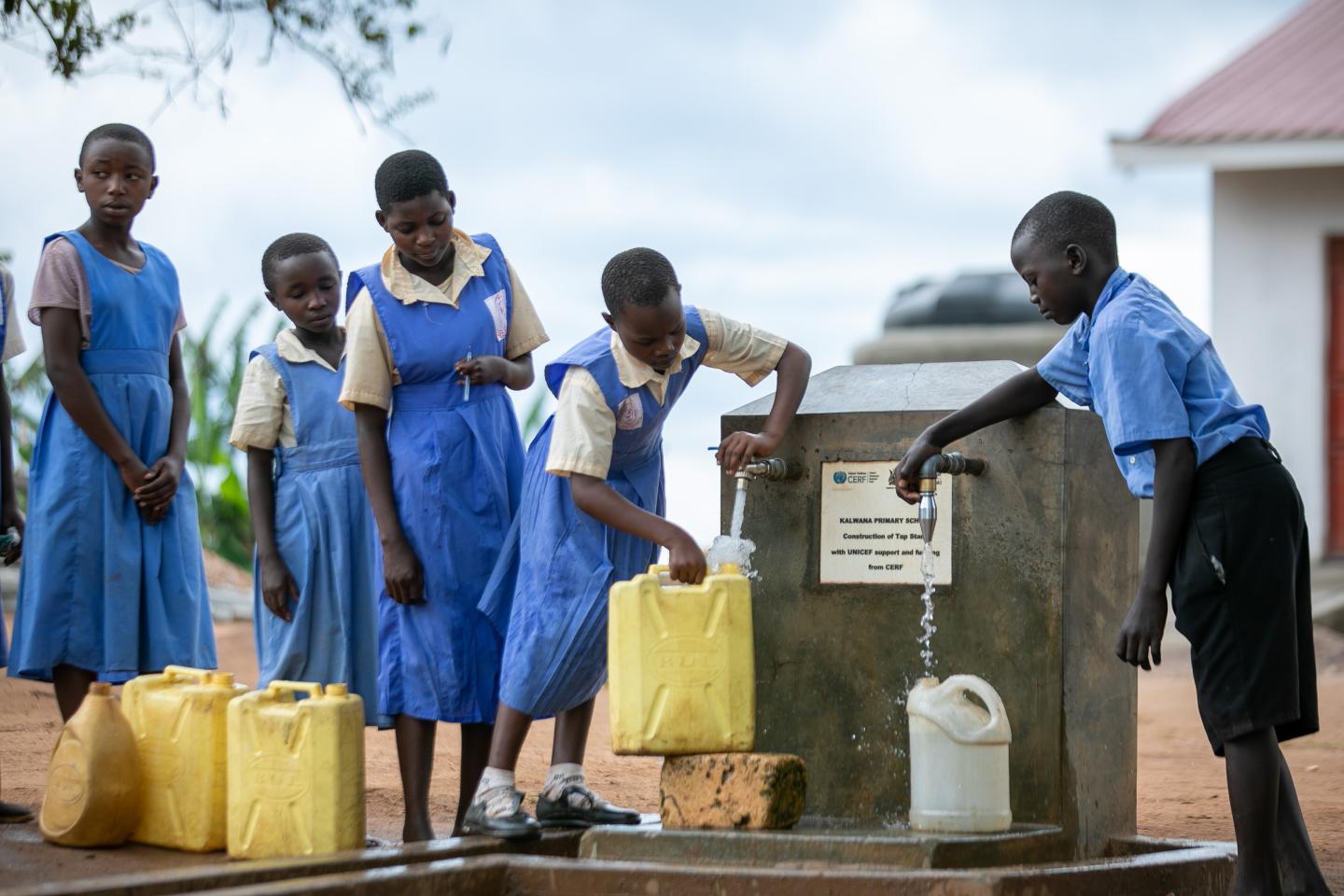
Water is arguably the most indispensable resource on the planet. Access to clean and reliable water supplies is fundamental to public health, economic development, and overall societal well-being. The process of delivering water from its source; be it surface water, groundwater, or otherwise to homes, businesses, industries, and other consumers involves a sophisticated network of pipelines, pumps, storage structures, and control mechanisms, collectively known as a water distribution system.
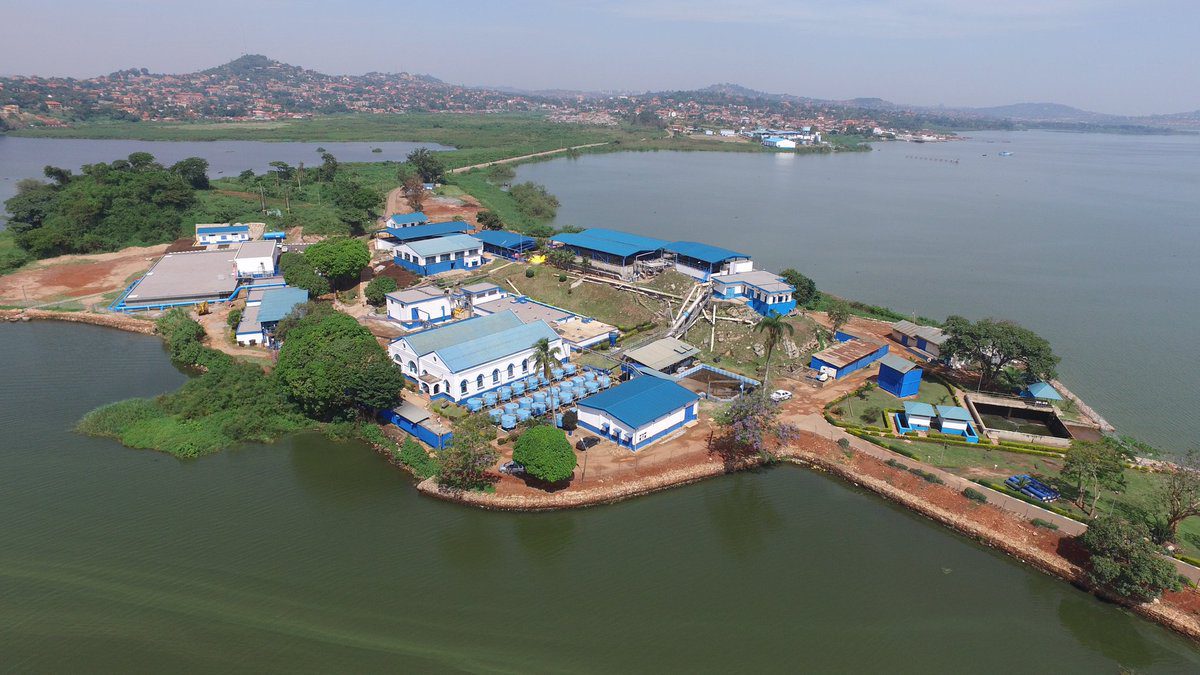
A water supply system is a complex network designed to deliver clean and safe drinking water to residential, commercial, and industrial areas. It consists of various interconnected components that work together to ensure the availability and quality of water for daily use. These components include water sources, treatment plants, distribution networks, and storage tanks. The primary function of a water supply system is to collect, treat, and distribute water to meet the needs of a population. It involves extracting water from natural sources such as rivers, lakes, or underground aquifers, and then treating it to remove impurities and make it safe for consumption. The treated water is then stored in reservoirs or tanks before being distributed through a network of pipes to the end-users.
As a leading company in the field of water and sanitation engineering, SANKOFA offers a suite of products and services, including.
- Feasibility study and detailed engineering design of piped water supply systems, both gravity flow schemes and solar powered piped water systems.
- Feasibility study and detailed engineering design of institutional sanitation facilities.
- Preparation of water safety plans and water security plans.
- Undertaking of water resources assessments, water sources mapping, and groundwater resources mapping.
- Preparation of catchment management plans and watershed management plans.
- Preparation of sanitation investment plans, sanitation master plans, and water supply masterplans.
- Preparation of water source protection plans.
- Undertaking energy efficiency audits, performance assessment of water supply systems, nonrevenue water audits, pipeline condition assessments, and preparation of capital improvement plans.
- Preparation of water asset management plans and operation and maintenance (O&M) plans for piped water supply systems.
- Undertaking subsurface utility mapping and drone aerial topographical surveys for bulk water systems.
- Undertaking of institutional water and sanitation infrastructure assessments.
- Undertaking rehabilitation of gravity flow schemes and solar powered piped water systems.
- Undertaking surface water hydrological surveys and hydrogeological surveys for borehole siting.
- Construction of sanitation facilities such as handwashing stations, washalots, VIP stance latrines, waterborne flush toilets, sewer systems, septic tanks, and container based sanitation systems.
- Undertaking borehole camera inspection, borehole rehabilitation, test pumping, borehole fishing, borehole flushing, and pump installation (motorization).
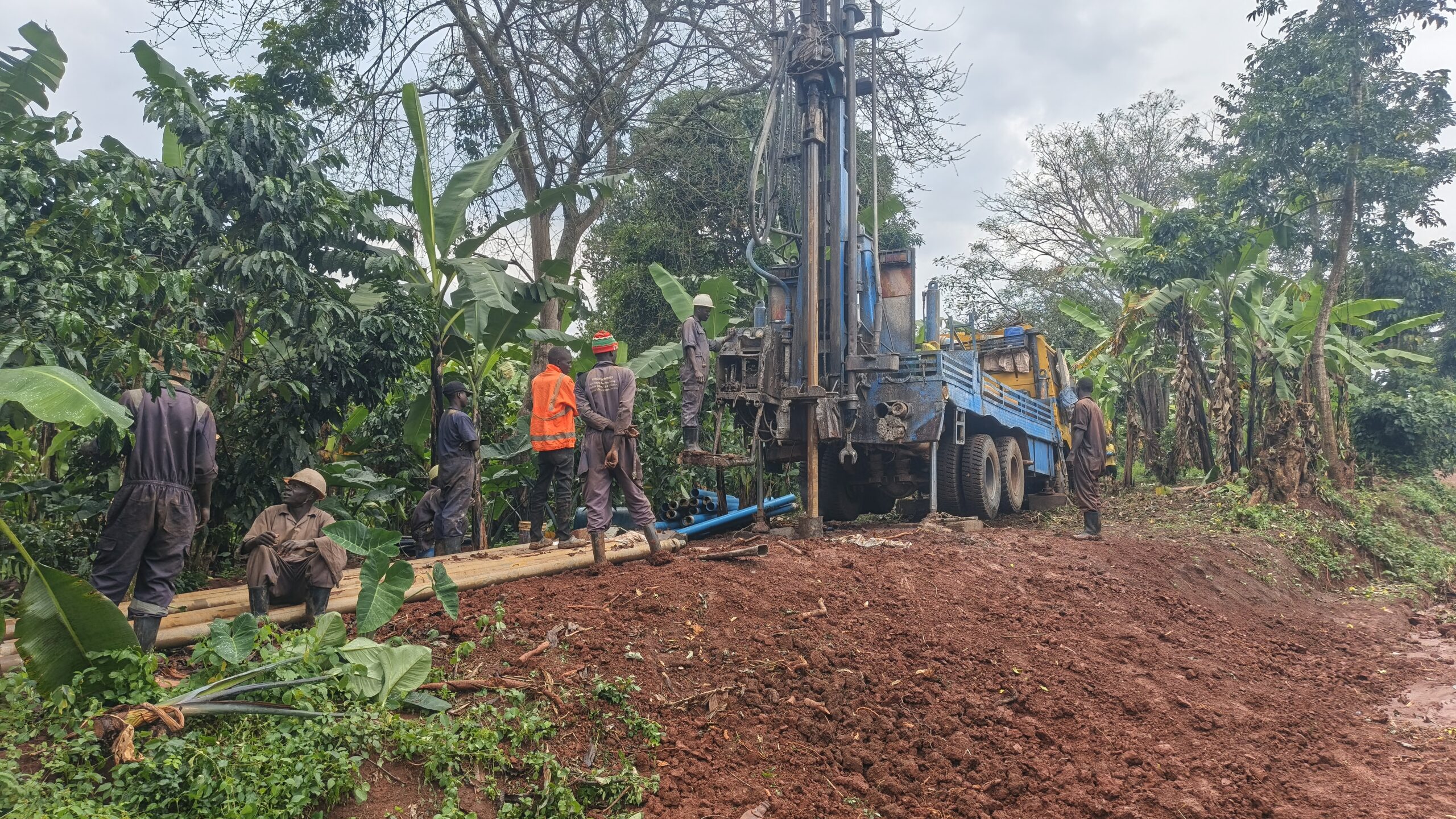
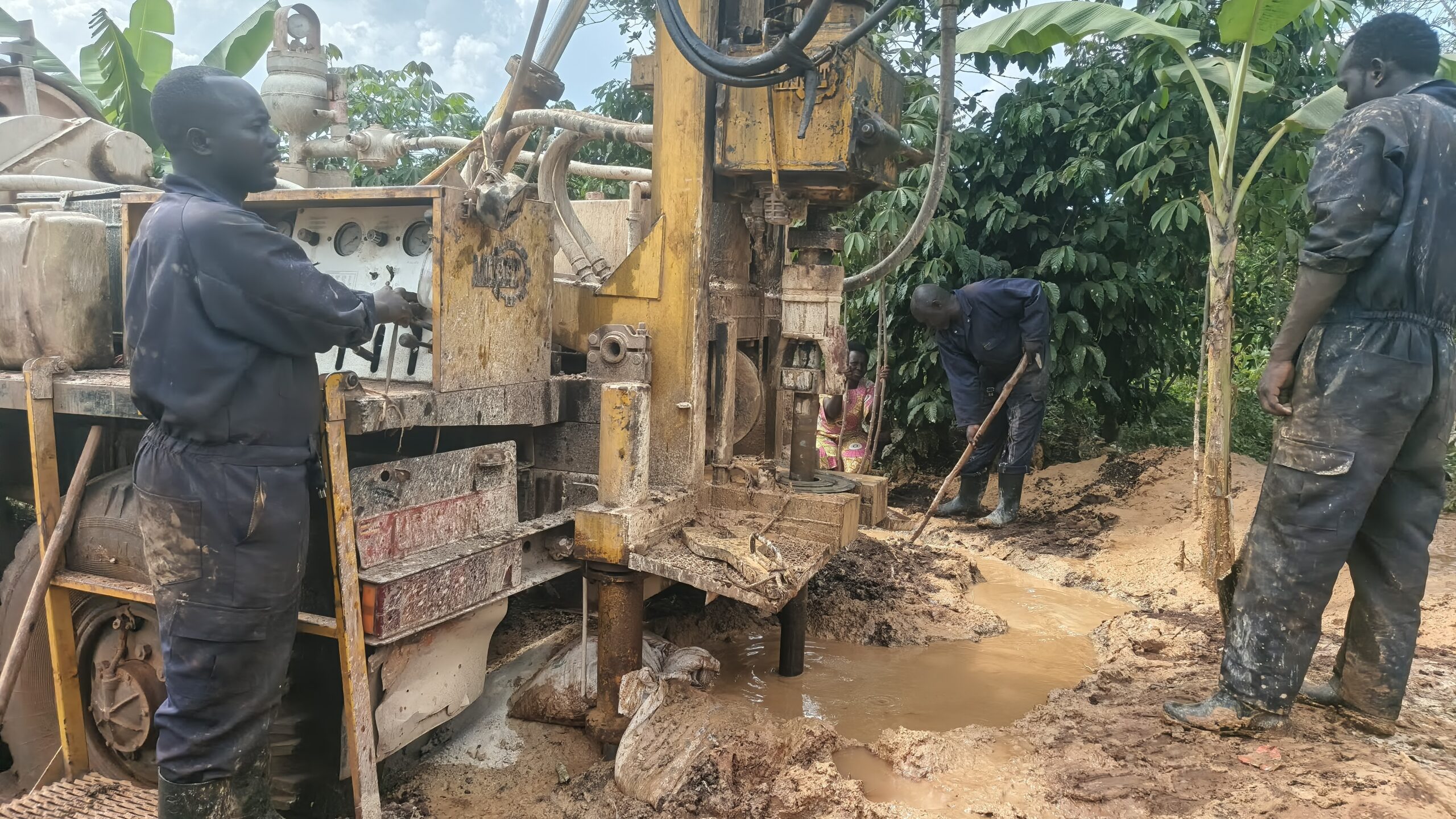
- Undertaking drilling of deep boreholes, shallow wells, excavation of hand dug wells, and spring protection.
- Construction of water storage tanks, such as steel panel tanks, reinforced concrete cement tanks, ferro cement tanks, and zincalume tanks.
- Construction of water treatment plants, pumping stations (pump houses), yard taps and water kiosks, fire hydrants, elevated water reservoir tanks, and underground rainwater harvesting tanks.
- Undertaking of pipeline hydrostatic testing, pipe leak location and repair, and repair of pipe bursts.
- Supply of echo sounders, borehole inspection cameras, acoustic leakage detectors, groundwater monitoring sensors, prepaid meters, trenchers, butt fusion welding machines, water pumps, gate valves, and generators.
Components of Piped Water Supply Networks
Water source.
Drinking water can come from various sources, including rivers, lakes, reservoirs, canals, rainwater harvesting, springs, and underground aquifers. Each source requires different methods of extraction and initial treatment to ensure the water is suitable for further processing and distribution.
Intake structure.
Intake structures draw water from the source while keeping out leaves, fish, and sediment. They ensure only water enters the system and protect pumps and treatment equipment downstream. Intake structures can vary depending on the source. For example, river intakes might have screens and grates to prevent large objects from entering, while boreholes use well casings and pumps to draw water up. Proper design and maintenance of these structures are critical because blockages or damage can reduce water flow or introduce contaminants.
Collection chamber.
If the water demand cannot be met by a single source, a collection chamber may be required. This prevents the backflow of water from one source to another. It is used to collect water from more than one source.
Transmissions mains.
For the conveyance of water from the source to the treatment plant, the different types of systems used like open channels, aqueducts, pipelines, etc. is known as transmission mains. Transmission pipelines are large mains that carry treated water over significant distances to storage facilities. Water from the transmission main is not given to users.
Water treatment plant.
Water treatment facilities play a crucial role in ensuring that the water supplied is safe for consumption. These facilities use various processes, including filtration, chemical treatment, and disinfection, to remove contaminants and pathogens from the water. The treated water is then stored in tanks or reservoirs before being distributed to consumers.
Pumps and pumping station.
Pumps move water through the system, especially when it needs to travel uphill, up the elevated storage tanks, or over long distances. Pump houses protect this equipment from the elements and allow for easy maintenance. Without reliable pumps, water pressure can drop, affecting daily use. Pumps come in various types, including centrifugal and submersible pumps, chosen based on the system’s needs. Pump houses also contain controls and backup power to keep water flowing during power outages. Pumps are used to move water through the system and ensure it reaches its destination at the necessary pressure. Solar powered pumps are an increasingly common sustainable option.
Storage tank/reservoir.
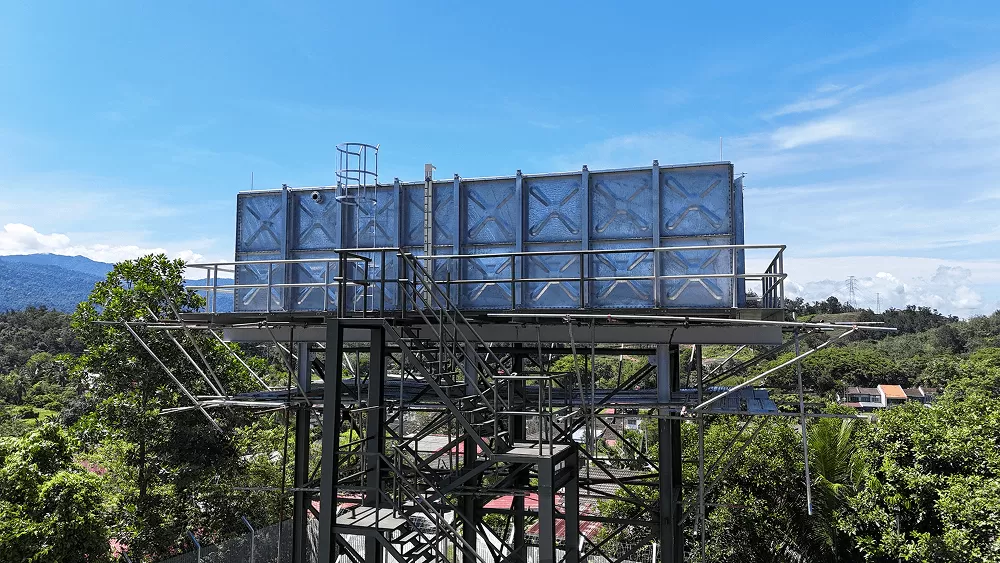
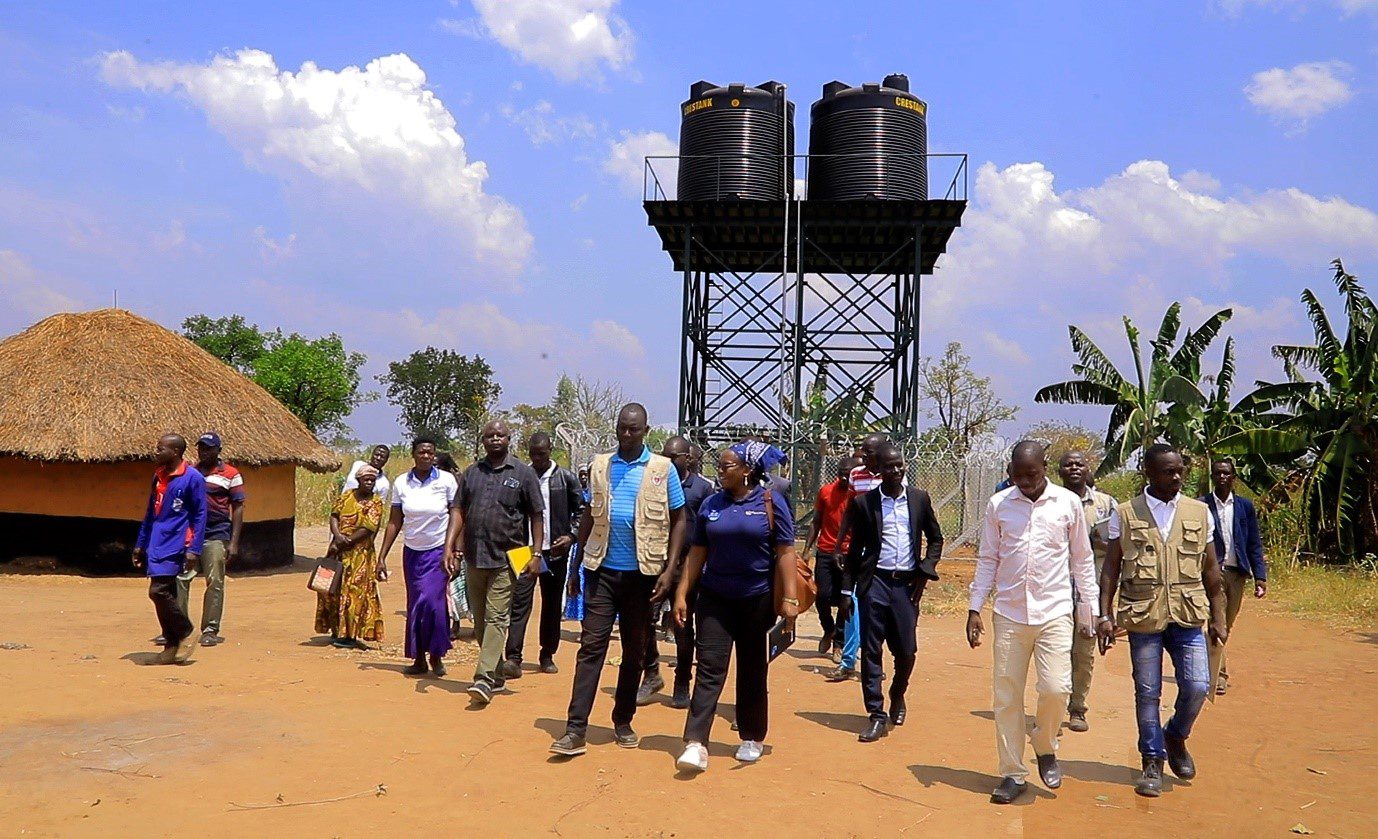
Storage tanks are essential for maintaining a consistent supply of water. They store treated water and help balance fluctuations in demand, ensuring that there is always enough water available, even during peak usage times. Additionally, storage tanks provide a buffer in case of emergencies or disruptions in the supply chain. The water storage tanks are often placed on higher ground or towers to maintain pressure in the pipe system, though also ground service reservoirs (GSR) can be used. Depending upon the purpose of use, there are three types of reservoirs.
- Clear water reservoir for storing treated water.
- Balancing reservoir for equalization or to address fluctuation of demand.
- Service reservoir, which equalizes the hourly fluctuation and stores the water for break down reserve and fire reserve as for firefighting.
Distribution system.
The distribution network is the most extensive part of the drinking water supply system. It consists of a vast network of smaller pipes that transport water from treatment facilities and storage tanks to homes, businesses, and other end users. This network must be meticulously maintained to prevent leaks, contamination, and other issues that could compromise water quality and supply. It contains components such as valves and water meters.


Factors Considered in Design of Water Supply and Sanitation Systems
Factors that influence design of piped water supply systems.
Pressure requirements. Maintaining optimal water pressure throughout the water supply network is critical. Insufficient pressure leads to weak flows and consumer dissatisfaction, while excessive pressure risks pipe damage and leaks. Water supply system design engineers use hydraulic modeling software to simulate flow and pressure across the network and pinpoint areas needing pressure regulation.
Topography and geography. Hilly or mountainous terrain often favors gravity flow schemes, whereas flat regions typically rely on pumping. Geographic factors such as soil composition, climate, and natural barriers also affect the materials chosen for pipes and the installation methods used. Geographical constraints, such as rivers or highways, may require specialized crossings (anchor blocks and thrust blocks) or tunneling. Seismic activity is another factor, requiring flexible joints and robust materials.
Reliability and redundancy. Incorporating backup components to maintain service during maintenance or failures ensures uninterrupted supply. Modern water distribution systems often incorporate water storage tanks, standby pumps, backup power supplies, emergency interconnections with neighboring systems, and looped pipelines to minimize service interruptions.
Source of water. The source of water is one of the foundational aspects of any water distribution system. Whether the water is sourced from a river, a reservoir, groundwater, or desalination, it must be factored into the system’s design. The availability and quality of the source determine the treatment processes required, the location of pumping stations, and the overall water supply system infrastructure design.
Population density. Designing a water distribution system is influenced significantly by the population density of the service area. In urban areas with high density, the system must handle high water demands efficiently. In rural or less densely populated areas, the system design may focus more on long-distance transport and maintaining pressure over greater distances. Population projections are used to forecast future demands and ensure the system can be scaled appropriately.
Water usage requirements. The water supply system must be designed to meet the expected water usage demands, which can be classified into residential, industrial, and fire protection categories. Residential usage typically requires smaller amounts, but industrial facilities may require substantial volumes for processes such as cooling or product manufacturing. Fire protection is a critical design consideration, as fire flow demands significantly impact the sizing of water mains, storage capacity, and pumping station specifications.
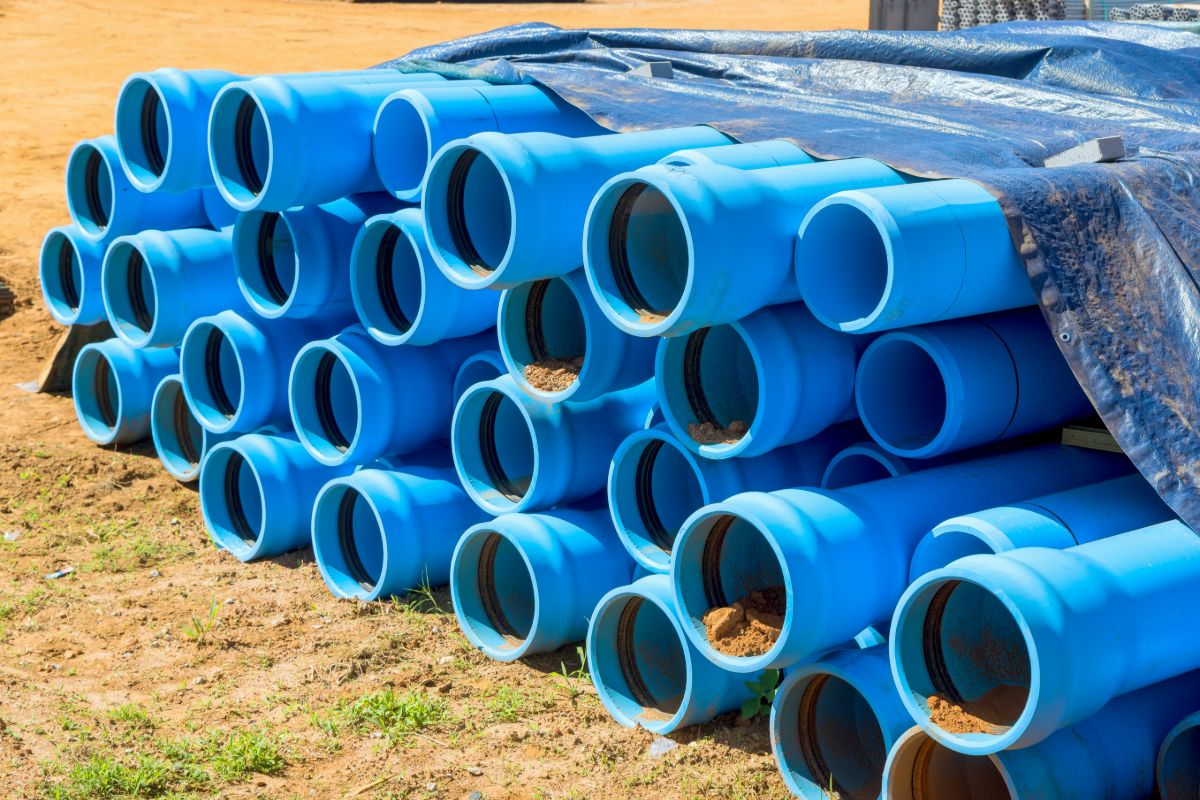
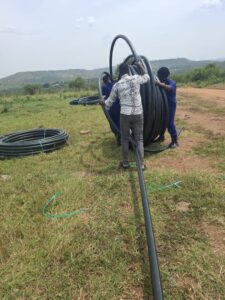
Piping and pipe material selection. The choice of pipe material is influenced by various factors such as cost, longevity, environmental impact, and compatibility with the local soil and climate. Common materials include HDPE pipe, ductile iron, cast iron pipe, PVC, steel, and uPVC. Material selection impacts the water supply system’s overall efficiency, cost-effectiveness, and maintenance needs over its lifecycle.
Maintenance and operational considerations. Ease of maintenance and operational sustainability are important design criteria. This includes selecting materials and components that are durable and easy to maintain. The design should allow for quick identification and resolution of issues like leaks, pressure drops, or contamination. Automated monitoring and control systems are increasingly integrated into modern water distribution systems to enhance operational efficiency and reduce human error.
Establish system water losses/non revenue water. In any water system design, it is necessary to allow for water losses that are likely to occur. Technical water losses occur due to leakages and overflow from reservoirs, treatment units, break pressure tanks, valves, mains and distributions piping. Other losses result from third party damage, usually resulting from either successful or unsuccessful attempts at illegally obtaining water for consumption.
Factors that influence the design of sanitation systems.
Soil conditions. The permeability, stability, and depth of soil affect the type of on-site sanitation (e.g., pit latrines vs. septic tanks) and the design of absorption fields.
Groundwater table. A high water table limits the use of deep infiltration systems (pits) to prevent contamination, requiring raised latrines or watertight, sealed tanks.
Topography and slope. Sloping land can facilitate gravity-fed sewage systems but may complicate construction, while flat, low-lying areas might require specialized pumping or raised systems to avoid flooding.
Climatic conditions. Rainfall patterns, risk of flooding, and temperature affect the design of on-site sanitation systems, with special considerations for flood-prone areas, such as using raised, watertight, or portable tanks.
Water availability. Water-based sanitation systems (e.g., waterborne flush toilets, conventional sewers) require a consistent, reliable water supply.
User preferences and habits. The sanitation system design must align with local customs and beliefs, such as the use of water or materials for anal cleansing, which determines whether wet or dry systems are suitable.
Accessibility and inclusivity. Sanitation systems must be designed for all users, including women, children, the elderly, and people with disabilities, considering privacy, safety, and accessibility.
Cultural acceptance. The acceptability of toilets (e.g. siting, orientation, and whether it is a seated or squatting design) is critical for long-term usage.
System capacity and scalability. The sanitation system must be sized for the target population, with room for future growth or upgrades.
Maintenance and operation. The sanitation system design should allow for easy maintenance (e.g., desludging) and be within the capacity of the community or local authorities to operate.
Availability of local resources. Materials and labor for construction of the latrine or sanitation system should ideally be sourced locally to reduce costs and ease maintenance.
Legal and regulatory framework. Sanitation system designs must ensure compliance with national sanitation guidelines, local building codes, environmental regulations, and standards for effluent disposal or water source protection.
Special considerations such as emergency contexts. In emergencies, speed of implementation, simplicity, and safety are prioritized over long-term durability.
Maintenance of Piped Water Supply Systems
Documentation and record keeping. Maintenance logs track when each component was last serviced, what work was performed, and when the next service is due. This information helps maintenance teams plan work schedules and budget for equipment replacement. Water quality records document testing results over time, helping identify trends that might indicate developing problems. These records are also essential for regulatory compliance and can provide valuable evidence if contamination issues arise.
Water quality management. Ensuring consistent and safe water quality throughout the distribution system is critical. Factors such as water age, microbial growth, and the presence of disinfectant byproducts can affect water safety. The growth of biofilms in pipes and nitrification in chloramine-treated systems can create health risks and cause water quality issues. Additionally, balancing disinfection to reduce microbial risk while minimizing the formation of disinfection byproducts (DBPs) is a delicate task for utilities. Undertake regular testing for bacteria (E. coli, coliform), pH, and turbidity to ensure safety.
Routine inspections and cleaning. Pipes accumulate sediment, biofilms, or mineral scaling over time. Regular flushing programs, pigging operations (where a mechanical device or “pig” is run through pipes), and video inspections help maintain flow capacity and water quality.
Leak detection and repair. Even small leaks can waste significant amounts of water over time. Advanced technologies like acoustic leakage detectors are increasingly used to detect leaks early. Prompt repairs lower operational costs and reduce the risk of water contamination. Leak detection systems help identify water losses that might indicate pipe breaks or joint failures. Modern systems use flow meters, pressure sensors, and even satellite imagery to pinpoint leaks quickly and accurately
Pressure management. Areas of high elevation or far from the supply source often require additional pumping or booster stations to maintain adequate pressure. Conversely, areas with excessive pressure may need pressure-reducing valves (PRVs) to protect pipes and appliances.
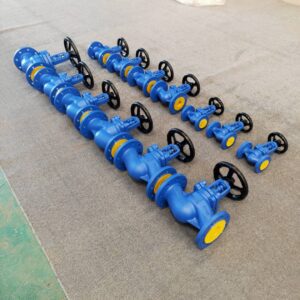
Valve and hydrant care. Operating (“exercising”) valves annually to ensure they do not seize, and testing fire hydrants. Valve checks ensure that water flows in the right direction and that emergency shutoffs work properly.
Pumping station maintenance. Regular lubrication keeps pumps running smoothly and prevents costly breakdowns. Different types of pumps require specific lubricants applied at precise intervals. Maintenance staff must also check for unusual noises, vibrations, or temperature changes that might indicate developing problems.
Storage tank cleaning and maintenance. Both overhead and ground-level storage tanks require regular cleaning to prevent contamination. Interior cleaning removes sediment, algae growth, and biofilm that can harbor harmful bacteria. This process typically requires draining the tank completely and scrubbing all surfaces with approved disinfectants. Structural inspections check for cracks, corrosion, or other damage that might compromise the tank’s integrity. Ventilation systems must also be maintained to prevent pressure buildup while keeping contaminants out.
Common Mistakes in Design, Installation, and Operation of Piped Water Systems
Incorrect pipe sizing. Undersizing pipes causes excessive pressure drops and reduced flow, while oversizing leads to higher material costs and potential stagnation.
Inadequate hydraulic modeling. Relying on simplified empirical equations without accounting for transients, surges, or the aging of materials can result in system failure under peak loads.
Neglecting thermal expansion. Failing to include expansion loops or flexible joints in long runs can cause pipes to buckle, crack, or pull away from supports as they expand and contract with temperature changes.
Skipping pressure testing. Rushing to bury pipes or apply insulation before conducting a hydrostatic pressure test often hides small leaks that cause significant losses over the long-term.
Inadequate support and anchoring. Too few or unevenly spaced supports (anchor blocks or thrust blocks) allow pipes to sag under their own weight, which doubles when filled with water, straining joints and causing fatigue.
Poor backfilling and compaction. Using unsuitable soil or failing to compact it in layers can lead to soil settling, which misaligns or crushes underground pipes.
Lack of valve exercising. Isolation valves that are not periodically opened and closed (exercised) can become frozen due to corrosion or mineral buildup, making them inoperable during emergencies.
Ignoring water pressure. Maintaining excessively high pressure puts constant strain on seals and gaskets, leading to premature component failure.
Poor documentation. Piping layout design generates a wide range of documents; layout drawings, isometrics, equipment datasheets, support locations, material specifications, tie-in details, and revision logs. If even one of these is not documented properly, it can complicate onsite inspections and repairs.
Common Challenges of Piped Water Supply Systems
Pipe blockages. Blockages in distribution piping significantly disrupts water flow, leading to pressure drops, reduced efficiency, and potential downtime. Blockages can be due to debris, mineral buildup, or scaling, especially in areas with hard water. Over time, these materials can accumulate inside the pipes, restricting flow and increasing the risk of pipe bursts or other failures.
Pressure imbalances. Pressure imbalances occur for various reasons, such as damaged pipes, improperly sized piping, or malfunctioning valves. These imbalances lead to reduced water flow, increased strain on the system, or even pipe bursts.
Thermal expansion and contraction. Distribution pipes are often exposed to varying temperatures, which can cause them to expand and contract. Over time, these thermal changes can weaken the pipes, causing cracks, joint failure, or bursts. This problem is especially prevalent in regions with significant temperature fluctuations.
Leakages and water losses. Most water systems experience leakages or unaccounted water use. This may be from water main leaks, unaccounted water use from a property, or illegal use of a fire hydrant. Leaks occur from corrosion, weakened joints or fittings, as well as damage to a water line, valve or other component. If unresolved, the leak can cause subsidence or sinkholes when the soil around the pipe is eroded.
Water hammer stress on pipe joints. Water hammer happens when there is a sudden spike in pressure inside the water system, which puts stress on various system components. These pressure spikes actually cut down the life of pipe joints by around 40% according to studies, calling for more frequent repairs.
Natural disasters. Natural disasters, such as earthquakes and floods can cause significant damage to drinking water supply systems. These events can break pipes, contaminate water sources, and disrupt the operation of water treatment facilities. The aftermath of a natural disaster often requires extensive repairs and restoration efforts to bring water supply systems back online.
Factors that influence Cost of Piped Water Supply Systems
Water source location and elevation. The distance from the water source to the consumption point impacts piping costs, while pumping required for lower-altitude sources increases energy and maintenance expenses compared to gravity-fed systems.
Topography and geology. Rocky terrain increases excavation costs, while hilly, varied landscapes require more complex, expensive hydraulic designs.
Raw water quality and treatment. Poor-quality source water requires advanced treatment technologies (e.g., demanganization or heavy chlorination), significantly raising production costs.
Smart metering. Utilities are rapidly migrating to smart water meters to enable automated billing and real-time leak detection. This reduces non-revenue water and improves revenue collection, though it requires higher initial investment costs.
Scale of supply. Larger piped water systems often have lower unit costs, whereas smaller systems can be more expensive per unit volume of water.
Pipe material and installation. The quality, type (e.g., PVC, steel), and depth of pipe installation affect upfront investment, especially in areas requiring deeper excavation.
Population density. Sparsely populated areas require longer pipelines, making the cost per connection higher than in densely populated, compact areas.
Operation and maintenance (O&M). Regular costs for staff, energy, repairs, and infrastructure replacement, affect the overall cost and sustainability of water systems.
Water loss (non revenue water). High rates of leakage and unaccounted-for water increase the operating costs per unit of delivered water.
Conclusion
Water supply system construction is more than just laying pipes; it’s about ensuring public health, environmental protection, and long-term water security. By adhering to best practices in piped water system design, water utilities and contractors can build resilient systems that meet growing demand while minimizing disruptions and future maintenance. As one of the leading water engineering companies in Uganda, SANKOFA offers customized water supply system designs that are efficient, cost effective, compliant, and high performing.