
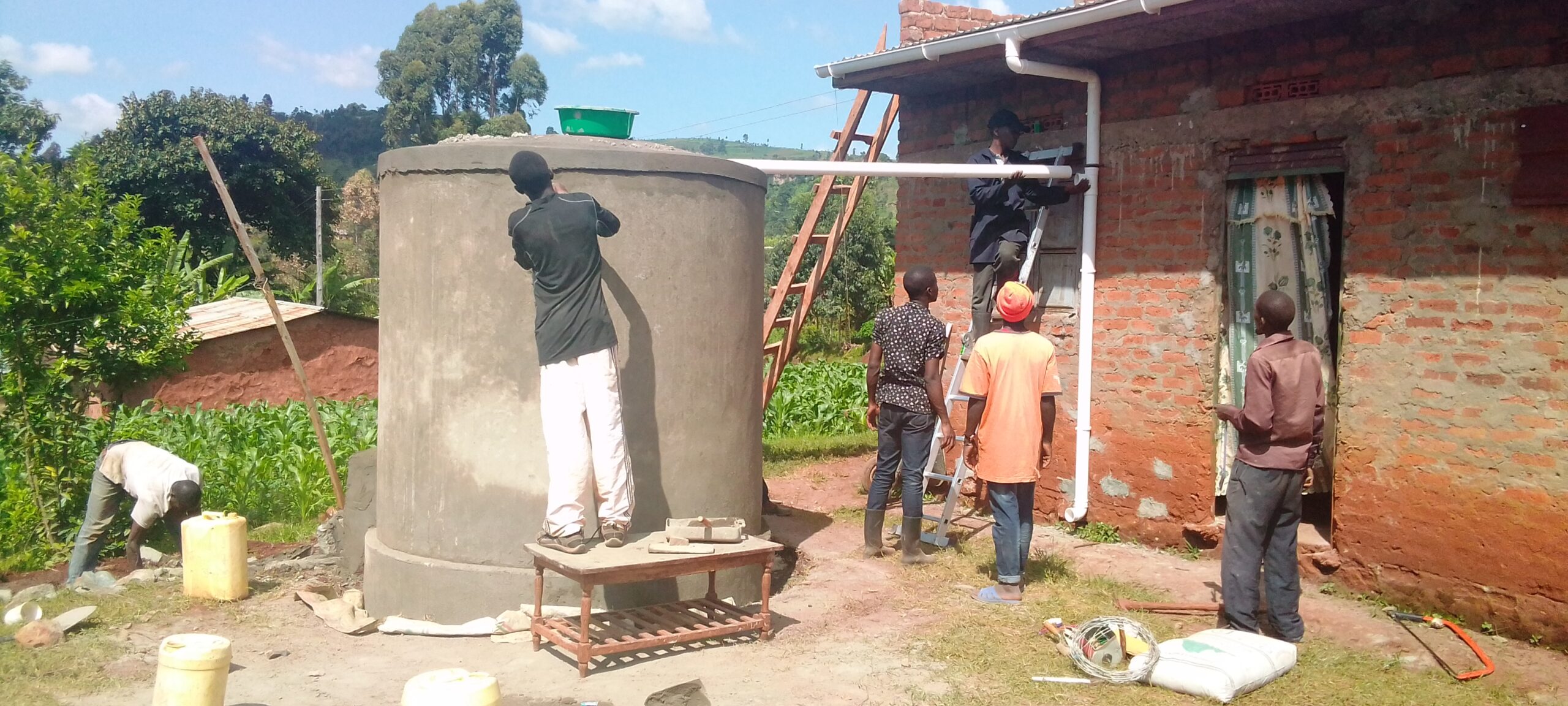
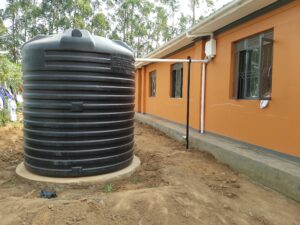
 Rainwater harvesting involves collecting and storing rainwater, typically from rooftops, into tanks or reservoirs for future use. This stored water can be utilized for various purposes, including watering plants, irrigation, watering livestock, keeping pond levels stable, flushing toilets, and even drinking water if appropriately treated. Many systems collect water from rooftops, directing it into a tank or cistern next to a home or other large structures where it is stored for later use. The practice of rainwater harvesting, which is as ancient as human civilization itself, is experiencing a resurgence as a sustainable solution to water management challenges.
By collecting rainwater, we capture a portion of this precipitation before it hits the ground, thus reducing runoff and its associated problems. This intervention allows us to immediately and directly use the rainwater, easing the demand for groundwater and surface water resources.
There are different categories of rainwater harvesting systems, briefly explained below.
Roof catchments.
Roof runoff from buildings is usually of a higher quality than surface runoff and can often be used without treatment. To collect rainwater from roof catchment, gutters, down-pipes, and ground storage tanks are required. It is possible to provide a mechanism to flush out the water from the first flush rain to reduce the pollution of stored water by dust, leaves, and bird droppings washed from the rooftop into the reservoir. Surface tanks or underground tanks can be used for storage depending on the local situation.
Rock catchments.
Rock catchment is a rainwater-harvesting mechanism in areas where there is massive rock outcrop along the line of surface water runoff from precipitation. It usually provides relatively fresh and relatively less turbid water, which eventually requires relatively less treatment to render the water potable. The design of a rock rainwater harvesting system requires considering site suitability (geology, topography, rainfall), water demand, system components, water quality management, and socio-economic factors. Unlike rooftop systems, which use artificial catchments, rock systems utilize naturally impermeable rock outcrops to generate runoff.
Surface runoff harvesting i.e. stormwater collection.
Stormwater collection and reuse is becoming more broadly used due to the increase in impervious surfaces. This method involves collecting rainwater from surfaces like land, gardens, and paved areas. The collected runoff water can be stored in ponds, reservoirs, or underground tanks. This type of system helps conserve water and prevents soil erosion and flooding caused by surface runoff. Plastic sheeting (dam liners) may also be used. This type of catchment can be expensive and is clearly open to pollution. Major ground catchments are drainage basins, which naturally exist between watersheds and the runoff water is drained into dams, sand dams, check dams, ponds, etc. The amount of water collected from such catchment is dependent on the size of the area, the intensity of the precipitation, the permeability of the soil formation, the amount of absorption, and the rate of evaporation in the area.
Rainwater harvesting detention methods.
Rainwater harvesting detention refers to techniques that allow rainwater to infiltrate into the ground and augment groundwater directly. This method includes practices like creating percolation pits, trenches, and recharging wells. These structures capture rainwater and allow it to percolate into the soil, restoring the groundwater table. In-situ methods are crucial in areas with declining groundwater levels and can be integrated into both urban and rural landscapes.
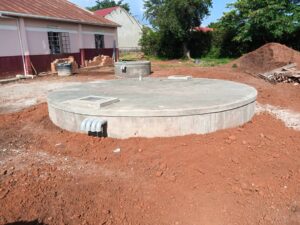 A rainwater collection system consists of several key components, each playing a crucial role in efficiently capturing, storing, and using rainwater. Understanding these components is essential for anyone considering a rainwater harvesting system.
Catchment area.
The catchment area of a rainwater harvest system is the primary surface where rainwater is collected. In urban settings, rooftops serve as the most common catchment area. They offer a wide, unobstructed surface that is ideal for capturing rainwater. In rural or open land areas, the catchment can also include ground surfaces like fields or landscaped areas specifically designed for rainwater collection. The efficiency of a catchment area depends on its size, the material it is made from, and its cleanliness.
Conveyance systems.
Once rainwater hits the catchment surface, it must be directed to the storage vessel. This is where the conveyance system, consisting of gutters and downspouts comes into play. Gutters line the edges of the rooftop, collecting the water and leading it to downspouts. These downspouts then channel the water down and away from the building structure, often into a filtration system before it reaches the storage tanks.
Storage vessels.
Storage vessels are perhaps the most critical component of a rainwater collection system. These can range from simple barrels to large rainwater storage tanks. The choice of storage facility depends on the intended use of the collected water, the amount of rainfall, and the space available.
Water treatment and distribution.
Before the harvested rainwater can be used, it often requires treatment to ensure it is safe for its intended use. This treatment can include rainwater filtration systems to remove debris and disinfection systems to eliminate harmful microorganisms. After treatment, the water is distributed through pumps and pipes, for indoor or outdoor use.
 Designing a rainwater harvesting system involves several crucial steps to ensure the system is efficient, effective, and tailored to the project’s specific needs. Here are the key steps to consider when designing a rainwater harvesting system.
Define purpose and estimate capacity.
Understanding usage. The first step in designing your water storage tank is to clearly define its purpose. Whether for drinking water or irrigation, understanding the intended use is crucial.
Water needs assessment. Evaluate your water needs and determine how much water you require for various purposes like gardening, flushing toilets, or laundry. This assessment will help you size your rainwater harvesting system appropriately.
Storage duration considerations. Consider backup needs and seasonal rainfall trends. In arid regions, tanks may need to hold several weeks’ worth of water to ensure a reliable supply during dry spells. Design experts should utilize local climate data and historical rainfall patterns to recommend optimal tank sizes, ensuring a dependable water supply year-round.
Rainfall data. Local intensity and annual precipitation (mean, seasonal patterns) dictate potential water yield and required storage size.
Catchment area. Size, material (roof type, paved area), and runoff coefficient (losses) determine the volume and quality of water collected.
Assess site and location factors.
Soil profile analysis. Conducting a thorough geotechnical analysis is essential to evaluate soil type, groundwater levels, and load-bearing capacity. Soils with high clay content or loose structures may require additional stabilization measures to ensure longevity and integrity of your tank.
Drainage solutions. Selecting a location away from flood-prone areas is vital. Proper perimeter drainage mitigates hydrostatic pressure during heavy rainfall, protecting the tank’s integrity.
Accessibility and obstruction management. Choose a tank location that does not interfere with building foundations, tree roots, or utility lines, ensuring easy access for maintenance and inspections. Identifying the best site layout is vital for optimal functionality and future access.
Select the right material for your water tank.
Choosing the appropriate material is vital for the tank’s longevity and functionality.
- Reinforced concrete. Ideal for large-capacity tanks or those under heavy loads, such as driveways.
- HDPE (high-density polyethylene). Lightweight and corrosion-resistant, suitable for smaller residential applications.
- Stainless or galvanized steel. Durable but requires anti-corrosion treatment; best for industrial or potable water storage.
Waterproofing and leak prevention strategies.
Implement a multi-layer protection strategy by combining external coatings (like bitumen or epoxy) with internal liners (PVC or rubber). Proper sealing of seams and joints with waterproof sealants is essential to prevent leaks and ensure long-term durability.
Structural and load considerations.
Optimizing tank shape. Cylindrical tanks provide better stress distribution in high-pressure environments, while rectangular designs may be more suitable for urban settings where space is limited.
Traffic load design. If the tank is installed beneath driveways or parking lots, it must be engineered to withstand both dynamic and static vehicle loads.
Backfill engineering techniques. Utilize compacted layers and follow recommended backfill specifications to ensure stability and prevent shifting.
Maintenance access and safety features.
Incorporate manholes and inspection ports with corrosion-resistant covers. Ensure built-in ladders or step-irons are available for safe entry. Proper air vents are necessary to prevent vacuum pressure and allow gas dissipation, enhancing safety during maintenance.
Ventilation and animal intrusion control.
Install screened vents to prevent insects and rodents from entering the tank. Use lockable, gasketed access hatches to maintain water hygiene and deter tampering, ensuring the quality of stored water.
Foundation and floatation control.
A stable bedding layer, typically 100 – 150mm thick, is essential for uniform support and drainage. In areas with a high water table, consider anti-buoyancy systems such as ground anchors or concrete tie-downs to prevent flotation.
Ensure water quality and hygiene.
Utilize UNBS certified food-grade materials for potable water. Incorporate filtration systems, including pre-tank filters and post-tank treatments like UV or activated carbon, depending on the intended use to maintain water quality.
Temperature control for water tank design.
For tanks storing potable water in extreme temperatures, consider thermal insulation. Installing tanks deeper (e.g., over 1.2 meters) can help regulate temperature naturally, protecting the water from extreme heat.
Hydrostatic pressure and buoyancy management.
Design must account for both internal water pressure and external groundwater pressure. Reinforced walls and bases are necessary for tanks located in flood-prone areas to ensure structural integrity.
Piping and hydraulic design considerations.
Ensure efficient flow by strategically placing pipes to prevent sediment buildup and allow for complete tank emptying. Include anti-siphon and backflow devices to protect potable systems from contamination, maintaining water safety.
Comply with local regulations.
Adhere to local building codes, line ministry standards, and WHO guidelines for water quality and structural safety. Conduct an environmental review to assess groundwater protection and stormwater impact, ensuring compliance with all regulations.
Design for long-term durability.
Aim for an extended lifespan with minimal intervention by using durable materials and protective coatings. Implement corrosion control measures, especially in saline or acidic soil conditions, to extend the tank’s life.
Budget and return on investment (ROI).
Consider your budget. Rainwater harvesting systems can vary significantly in cost based on size and complexity. Determine what you can afford and choose components and systems accordingly. There are systems for every budget, and experts can work with you to determine the most appropriate design for your needs.
Maintenance and upkeep.
Understanding the maintenance requirements is key. Regular cleaning, system checks, and potential repairs are essential. Ensure you have the time and resources to maintain the system properly.
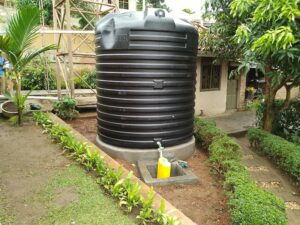 Costs for rainwater harvesting systems vary based on several factors. The different factors that influence the costs of rainwater harvesting systems include.
System size and capacity are the main factors affecting rainwater harvesting cost. Larger tanks cost more, with prices rising as storage capacity increases.
Material quality influences price and longevity. Plastic tanks are affordable, while stainless steel and concrete offer better durability.
Installation complexity varies by property. Underground systems need extensive excavation, increasing labour costs. Your property’s accessibility and infrastructure can affect the final price.
Filtration systems. If you plan to use rainwater for drinking, a filtration system is essential. These remove debris, bacteria, and contaminants, ensuring potable water quality, making it a necessary addition for residential rainwater harvesting systems.
Pumps. For effective water distribution, a pump is often required. Pumps allow pressurized water flow, which is essential for irrigation systems, household plumbing, and large-scale water storage.
Maintenance costs. Routine maintenance for a rainwater harvesting system needs to be undertaken. This includes filter replacements, tank inspections, and pump servicing to maintain water quality and system efficiency. Regular upkeep ensures longevity, preventing costly repairs or replacements over time.
Prices for rainwater harvesting tanks.
While prices of rainwater harvesting tanks differ based on brand, service provider, and quality, average price ranges for various rainwater harvesting products in Uganda are as provided in the table below.
Rainwater Harvesting Product | Price Range (UGX) |
Rain barrel (250L) | 70,000 – 90,000 |
Tote IBC (1,000L) | 160,000 – 180,000 |
HDPE plastic tank 5,000L (including concrete support base) | 2,500,000 – 3,500,000 |
HDPE plastic tank 10,000L (including concrete support base) | 4,500,000 – 5,500,000 |
HDPE plastic tank 24,000 (including concrete support base) | 17,000,000 – 20,000,000 |
Ferro cement tank (10,000L), aboveground | 4,000,000 – 5,000,000 |
Ferro cement tank (20,000L), aboveground | 5,000,000 – 6,000,000 |
Reinforced concrete tank (30,000L), underground | 9,000,000 – 11,000,000 |
Reinforced concrete tank (50,000L), underground | 18,000,000 – 20,000,000 |
ISSB tank 10,000L (aboveground) | 5,000,000 – 6,000,000 |
ISSB tank 20,000L (aboveground) | 7,000,000 – 8,500,000 |
ISSB tank 50,000L (underground) | 17,000,000 – 20,000,000 |
Stainless steel tank, 10,000L (with stand) | 9,000,000 – 11,000,000 |
Corrugated iron tank 10,000L | Generally not widely used |
Rainwater filter | 1,000,000 – 1,500,000 |
Dams (earth dam, concrete lined dam, PVC lined pond, water pan) | Varies based on capacity and material |