
Introduction.
A shallow well is a water source typically less than 30 meters (100 feet) deep that taps into an unconfined aquifer. Shallow wells and hand dug wells are generally common in areas with a high water table where groundwater is easily accessible and can be used to provide water for domestic use or irrigation water for small scale agricultural projects. Often dug, driven, or drilled, shallow wells (hand dug wells) are cost effective to drill, but more vulnerable to contamination and seasonal drying. For this reason, they are typically constructed during dry weather since the water table be at or near its lowest level, allowing the required depth to be adequately determined. Additionally, dry soil is less likely to collapse during excavation.
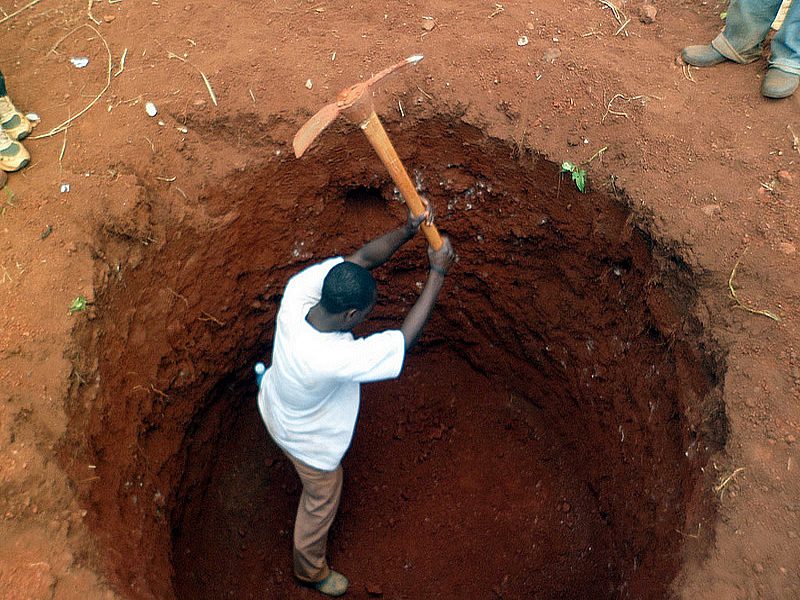
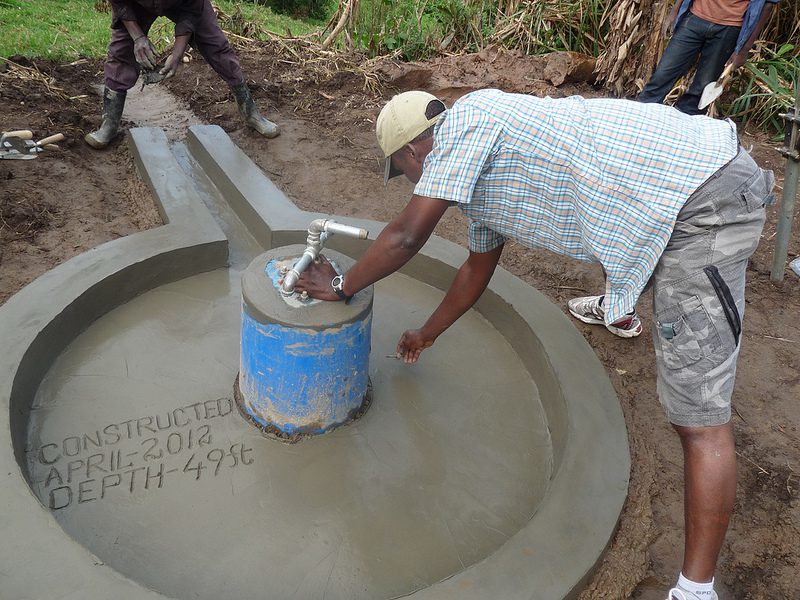
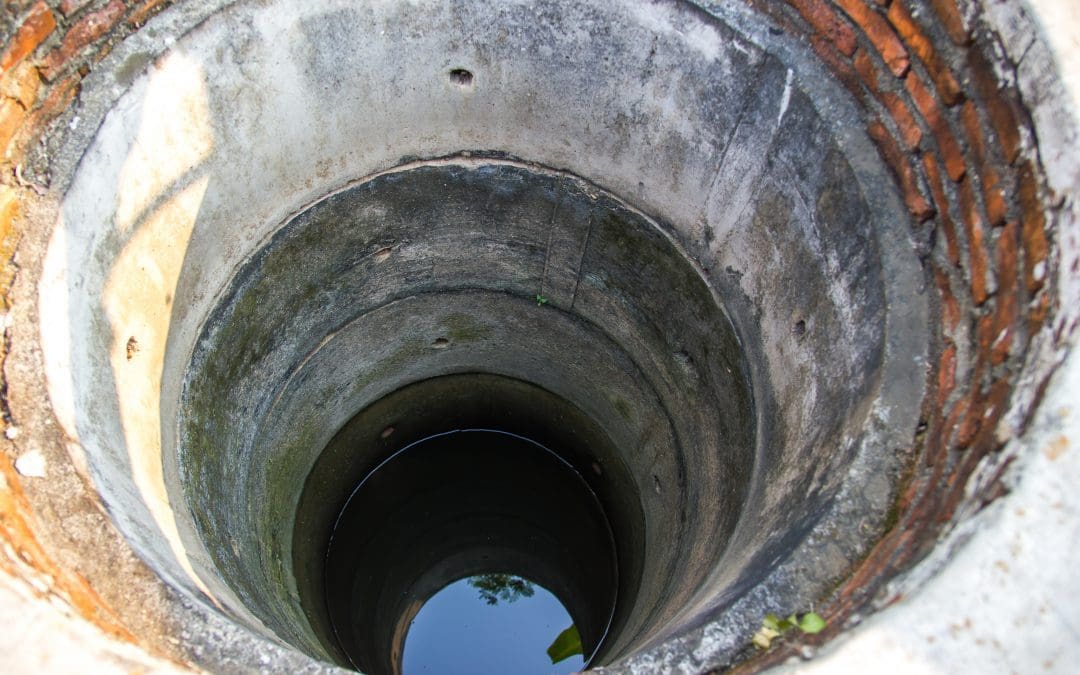
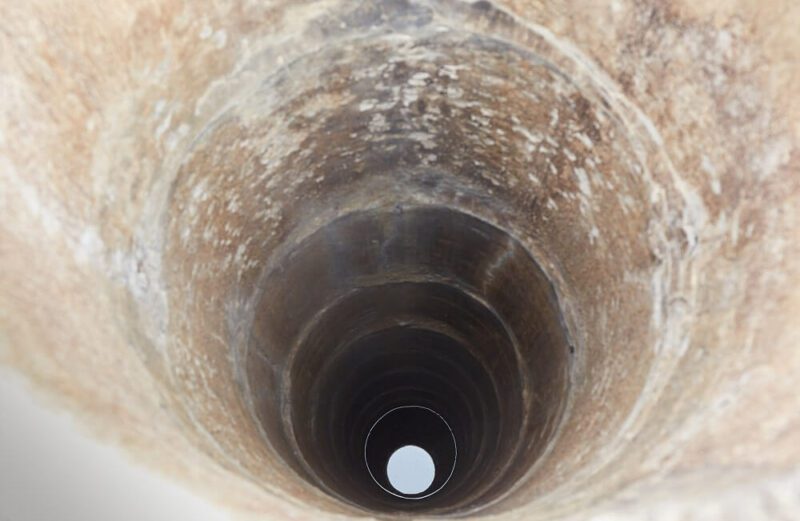
Shallow wells and hand dug wells are installed to access water sources that are closer to the surface. The depth of a shallow well is dependent on factors such as geographical location, hydrology, and a fluctuating water table. There are two types of shallow water wells. The first one is a hand dug or bored well and has a range of 10 to 30 feet that can be dug by spade or hoe. Hand dug wells typically have a large diameter and are lined with stone, brick, or pre-cast concrete rings. The other type of shallow water well is a driven well. A driven well is when the casing or pipe is driven into the ground and in most instances the well will go up to 100 feet deep. While shallow wells and hand-dug wells pose unique challenges, when properly constructed, maintained, and regularly inspected, they can be picturesque and advantageous.
As a leading company in the field of borehole drilling in Uganda, we offer a comprehensive suite of products and services for shallow wells and hand dug wells, such as.
- Undertaking hydrogeological surveys/geophysical surveys for optimal location of water wells.
- Undertaking of water table determination studies to estimate water table depth.
- Excavation and drilling of shallow wells and hand dug wells.
- Water quality testing and installation of raw water treatment systems.
- Borehole camera inspection.
- Borehole flushing.
- Borehole fishing.
- Motorization i.e. installation of submersible water pumps.
- Rehabilitation of shallow wells.
- Replacement of galvanized iron (GI) pipes with stainless steel pipes and uPVC riser pipes in hand pump installations.
- Supply of water well components such as submersible water pumps, casing rings, and dip meters.
- Supply of all types of hand pumps, such as India Mark II hand pumps, Afridev hand pumps, bush pumps, treadle/direct action pumps, and rope pumps.
Key Characteristics and Facts of Shallow Wells and Hand Dug Wells
Depth. Usually less than 100 feet deep at the maximum. Though generally, most shallow wells and hand dug wells are often 30 feet deep.
Water source. They rely on the water table (unconfined aquifer) and are replenished directly by rain or surface runoff, which makes them highly susceptible to seasonal variations in both quantity and quality.
Construction methods. These water wells can be constructed by hand digging, driving a pipe into the ground, or shallow drilling. They are often lined with pre-cast concrete rings or bricks to prevent collapse.
Pumping system. They typically use hand pumps, installed at or near the surface to draw water. Though the use of submersible pumps is also being adopted, especially for private water wells.
Installation Considerations for Deep Boreholes and Shallow Wells
When deciding the right type of water well for a property i.e. between a deep borehole and shallow well, several factors are taken into consideration. These include.
Water table. If the property is located in an area with a high water table, a shallow well may be sufficient. However, if the water table is low, a deep borehole will provide a more reliable water source.
Budget. Shallow wells are less expensive to install due to their shorter depth and simpler equipment requirements, but deep boreholes offer a long-term solution that may be more cost-effective in the long run.
Water quality. If water quality is a concern, a deep borehole is generally a better option as it is less likely to be contaminated by surface pollutants.
Water usage. If there is high water demand, such as for irrigation or livestock, a deep borehole will provide a more consistent and reliable water supply. However, if water demand is just for household use, a shallow well may suffice.
Advantages of Drilling Shallow Wells and Hand Dug Wells
Lower installation costs. Shallow wells and hand dug wells are generally less expensive to drill because they require less labor and fewer materials.
Easier maintenance. Since the well is closer to the surface, it’s easier to access for repairs and maintenance.
Quick installation. The installation process is faster compared to deep boreholes.
Risks and Challenges of Drilling Shallow Wells and Hand Dug Wells
Water quality and contamination risks. Because they are closer to the surface, shallow wells are more vulnerable to contamination from surface pollutants like pesticides, fertilizers, industrial runoff, agricultural runoff, septic system sewage, and bacteria. Additionally, heavy rains (floods) can carry surface contaminants directly into the shallow well.
Bacterial concerns and health risks. The supply of a shallow water well is typically more stagnant than a deep borehole. Because of that, it is more hospitable to bacteria growth. Possible bacteria that could be present within a shallow well include E.Coli, which is very harmful to human health.
Limited water supply and unreliable water yield. Shallow wells may not provide a consistent water supply, especially during dry seasons when the water table drops. Many shallow wells may have significantly reduced yield or even dry up completely during long dry periods.
Pump limitations. Shallow wells require specific types of pumps, such as jet pumps and hand pumps, which are less efficient than the pumps used for deep boreholes.
Limited filtration. Water within a shallow well typically doesn’t provide the full filtered experience of a deep borehole. It hasn’t been provided the depth or the time to filter through the soil like a deeper water well source. Generally, they lack sufficient filtering layers, leading to unsafe water without treatment.
Physical labor and time consumption. Operating a shallow well, especially those fitted with hand pumps, rope pumps, or buckets rely on a manual process that requires significant physical effort to lift water, which can be a daily burden.
Limited capacity for large-scale use. While a shallow well can be an effective, low-cost local solution for a single family’s domestic and small-scale irrigation needs, its manual nature and limited water output make it unsuitable for larger agricultural projects or serving a growing population’s widespread water needs.
Structural and geotechnical failures (shallow well excavation hazards). Shallow wells experience structural instabilities i.e. walls can cave in, silt can accumulate, and aprons can crack, increasing pollution. There is a significant risk of the well walls collapsing, especially in soft ground or during the wet season if proper lining is not installed in time. Additionally, they are rife with dangers and accidents during construction like collapsing soils in unstable ground formations, falling walls, falling objects, lack of oxygen and asphyxiation of workers inside the well. In extreme structural failures or cases of inadequate well linings, crumbling ground fills the hole, compromising safety and water quality.
Maintenance issues. Many shallow wells and hand dug wells lack consistent monitoring and maintenance, and components like well linings or covers may deteriorate over time, increasing contamination risks.
Common Sources of Contamination in Shallow Wells
Human and animal waste. Pit latrines, septic systems, and animal pens located nearby are major sources of harmful bacteria and pathogens like E. coli and total coliforms.
Surface runoff. Rainwater runoff can carry pesticides, fertilizers, and other chemicals from agricultural fields and urban areas directly into unprotected shallow wells.
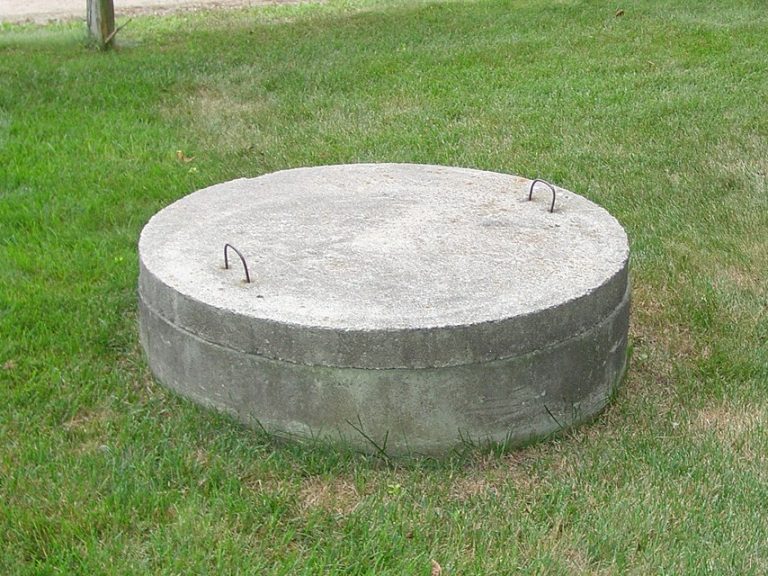
Poor shallow well construction. The absence of proper well covers, concrete aprons, and adequate lining allows surface water, debris, insects, and small animals to enter the shallow well.
Unhygienic water withdrawal. Using shared or improperly handled ropes and buckets for drawing water can introduce contaminants into the shallow well.
Conclusion
Self-supply options such as shallow wells and hand dug wells present a good avenue for most households to improve their water access. The decision on whether to drill a shallow well or deep borehole requires consultation with experienced groundwater professionals, who assess the property’s water table, soil conditions, among other factors to recommend and implement the best water well type for the property under consideration.
SANKOFA, a leading water engineering company, active in the field of borehole drilling is a trusted consultant for hydrogeological survey and borehole siting, deep borehole and shallow well drilling, and pump installation, enabling clients install effective and reliable wells, ensuring long-term functionality to meet their water demands.