Monday, March 2, 2026 4:03 pm

Water Treatment – A Brief Discussion of the Processes and Selection Criteria for Water Treatment Plants

Introduction.

Life on planet is highly dependent on freshwater. Freshwater is a scarce resource and a very small fraction of all water on planet. While nearly 70 percent of the world is covered by water, only 3.4 percent of it is freshwater. The rest is saline seawater. Even then, just around 1.2 percent of freshwater is easily accessible, as much of the 3.4 percent of total freshwater is trapped in glaciers and polar ice caps (68.7%) and groundwater (30.1%).

Clean water is a basic necessity for humans. As the human population grows, the demand for water grows as well. Since water is a finite resource, used water must be treated to continuously serve end-uses. This is where the importance of water treatment systems comes in.

Water treatment is any process that improves the quality of water to make it suitable for a specified end-use. The end use may be drinking, industrial water supply, irrigation, river flow maintenance, aquatic recreation, or safely returning to the environment. Water treatment removes contaminants and unwanted components or reduces their concentration so that the water is suitable for the desired end-use. Treatment of water to improve its quality such that it is suitable for subsequent use by humans can require physical, chemical, or biological processes. Some degree of “treatment” occurs even in nature, however higher water contamination levels require sophisticated engineering processes.

A water treatment system refers to a combination of physical, chemical, and biological processes designed to remove impurities and contaminants from water. The primary goal is to make the water safe for consumption and other applications, such as industrial use or irrigation. Water treatment plants are the backbone of these systems, employing sophisticated processes to transform raw water from sources like rivers, lakes, and reservoirs into clean water. These systems use a combination of filters, chemicals, and technologies to make water safe and clean for consumption and daily use. The quality to which water must be purified is typically set by government agencies. Whether set locally, nationally, or internationally, government standards typically set maximum concentrations of harmful contaminants that can be allowed in safe water.

According to Future Market Insights, the global water treatment market is expected to grow from USD 79.8 billion in 2026 to USD 157.2 billion by 2036, expanding at a CAGR of 7.0% during the forecast period (2026 – 2036). This is largely driven by increasing demand for clean water, strict regulations, technological advancements, public health concerns, rising urbanization and increased pollution concerns, and water reuse.

As a leading engineering company in the field of water treatment, SANKOFA offers a suite of products and services, including.

  • Feasibility study and detailed engineering design of municipal and industrial water treatment plants.
  • Supply of water treatment polymers, water treatment reagents and chemicals, digital water quality sensors, and portable water quality testing kits.
  • Supply and installation of clear water pumps, chlorine dosing systems, SCADA and water quality monitoring sensors, and treated water storage tanks.
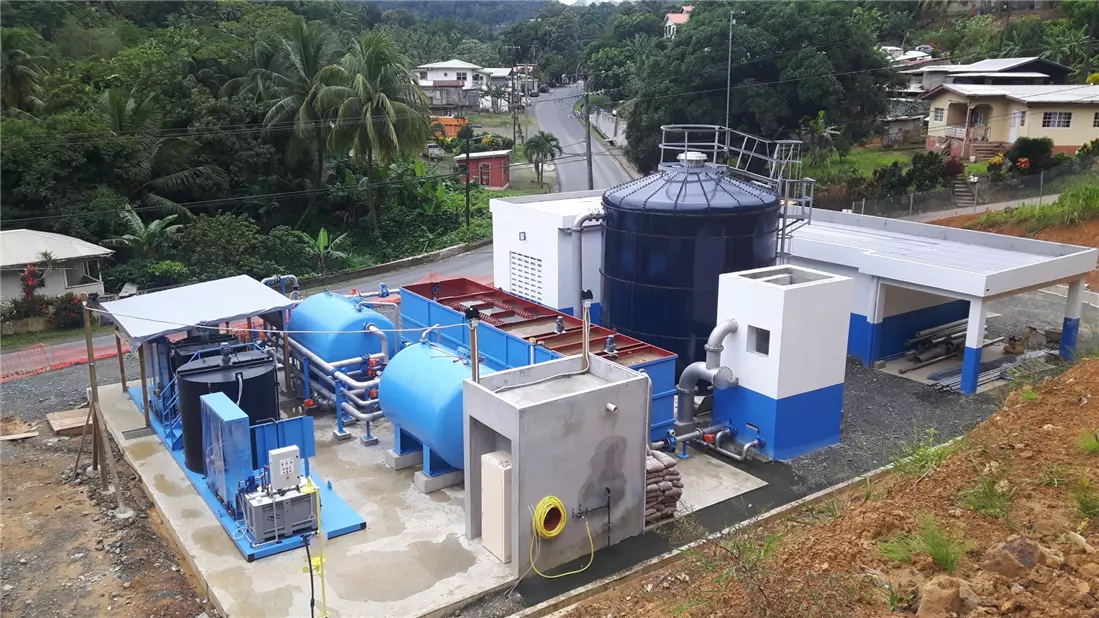
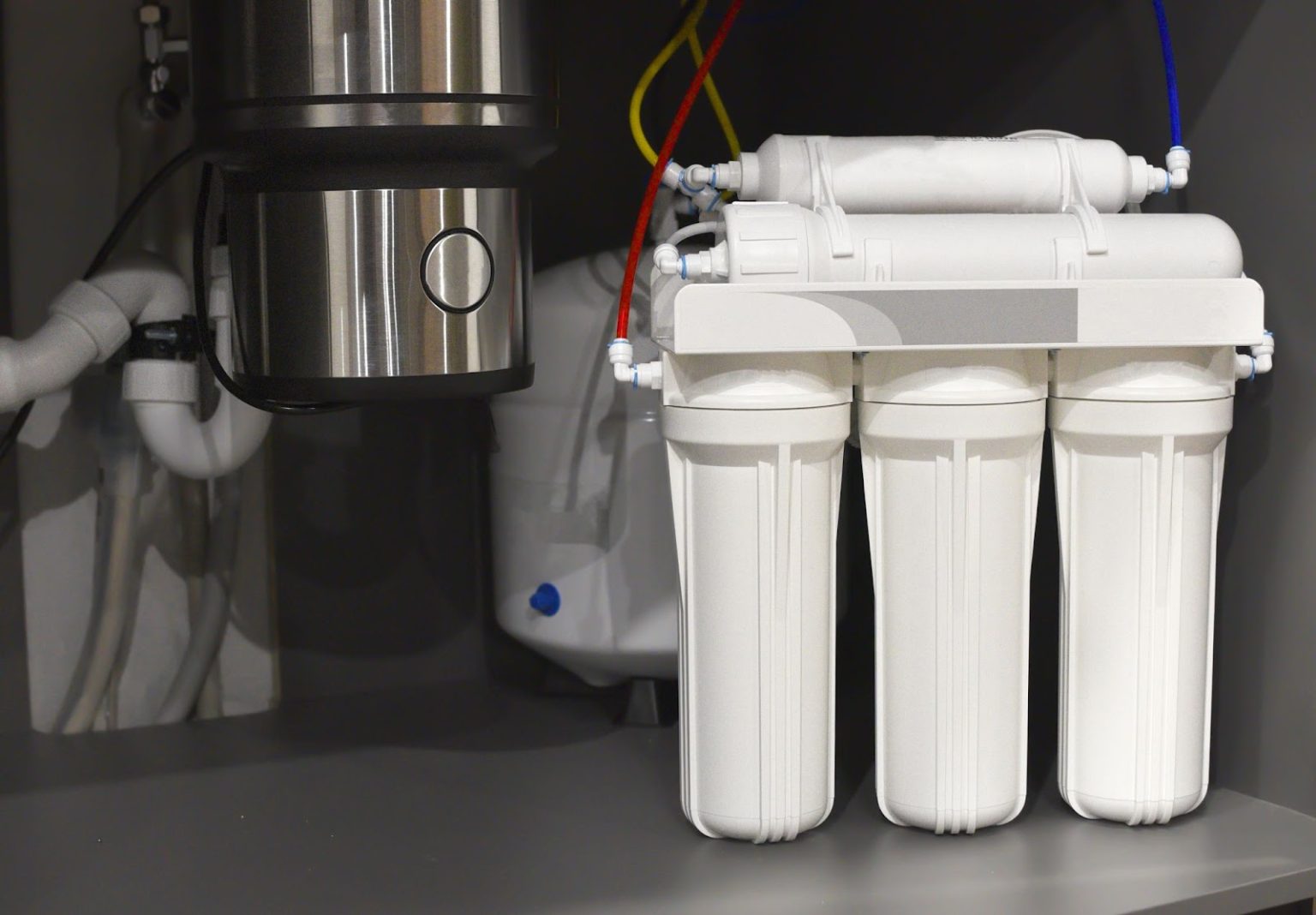
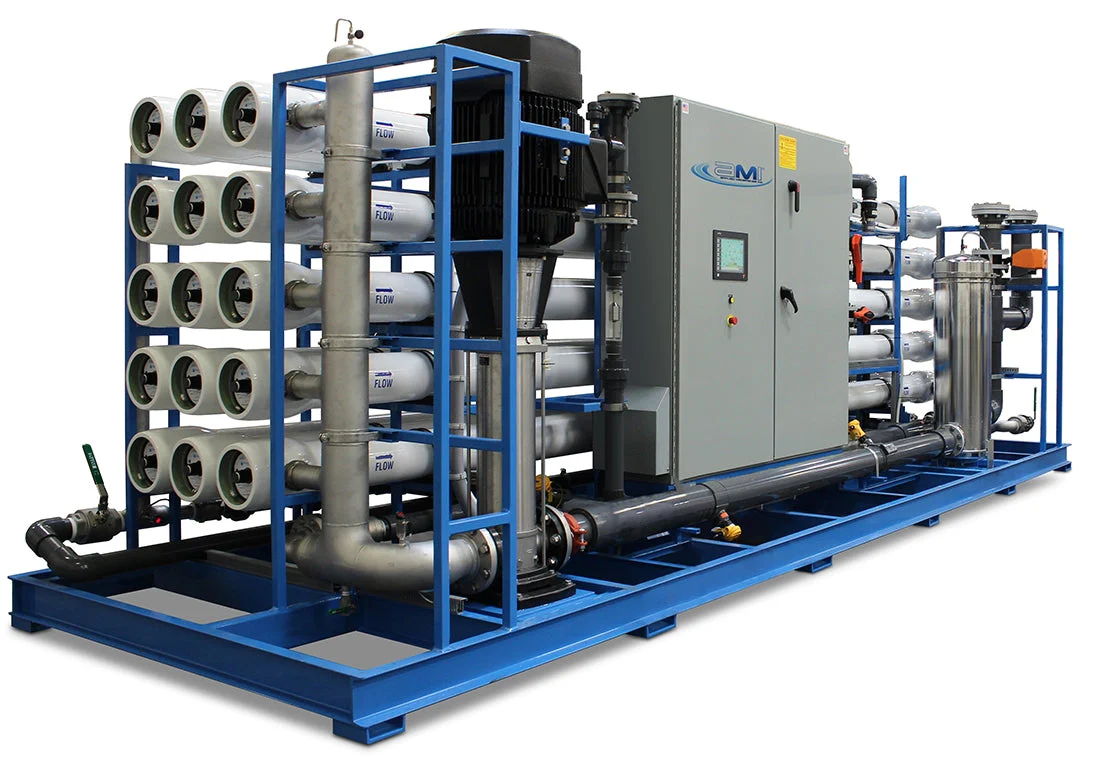
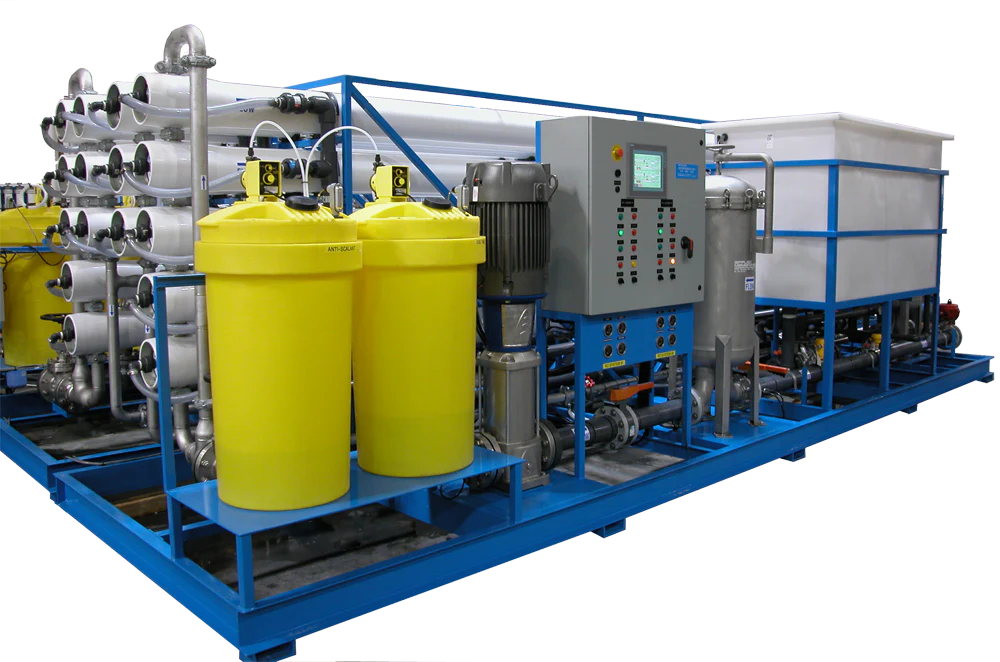
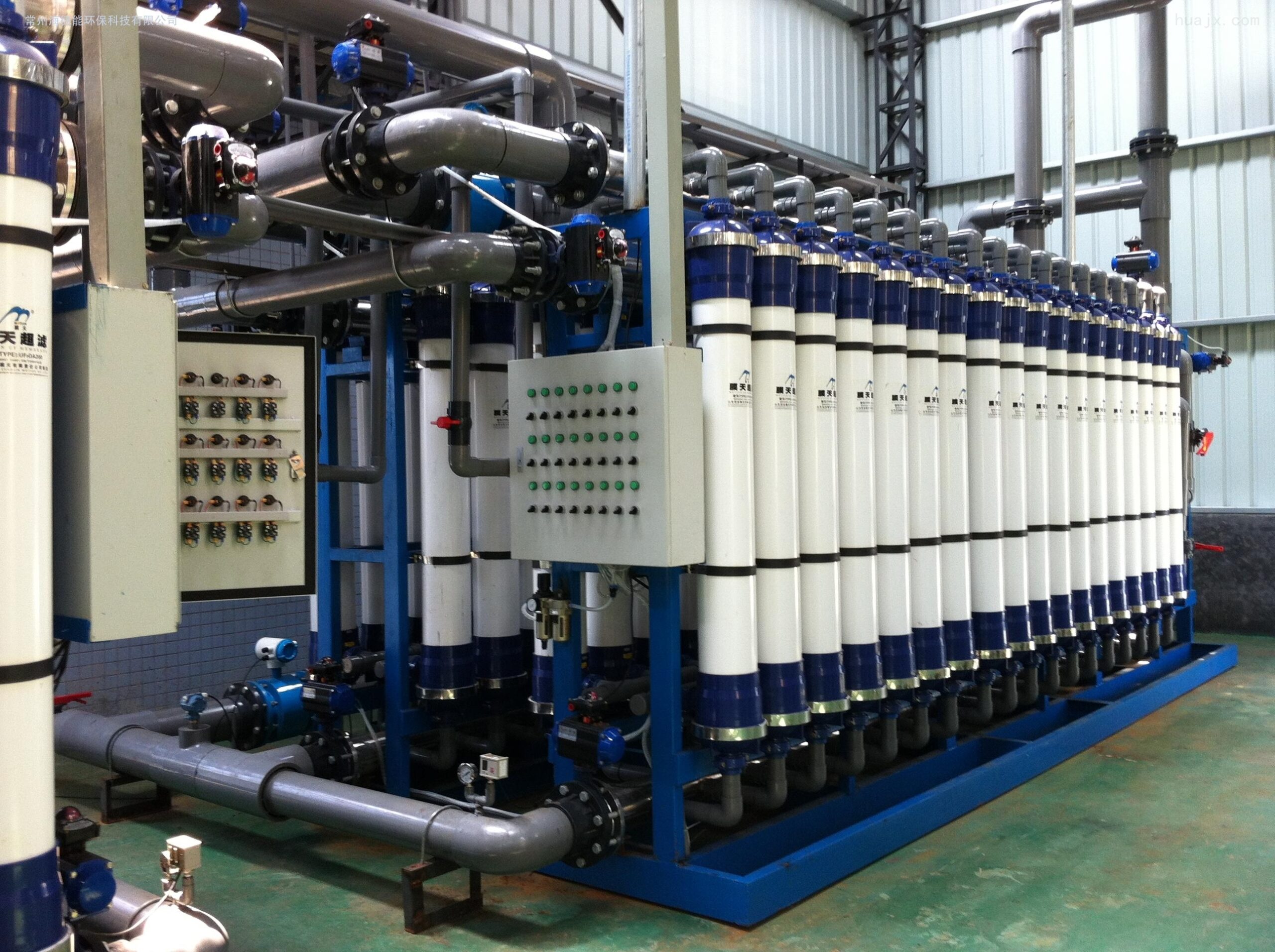
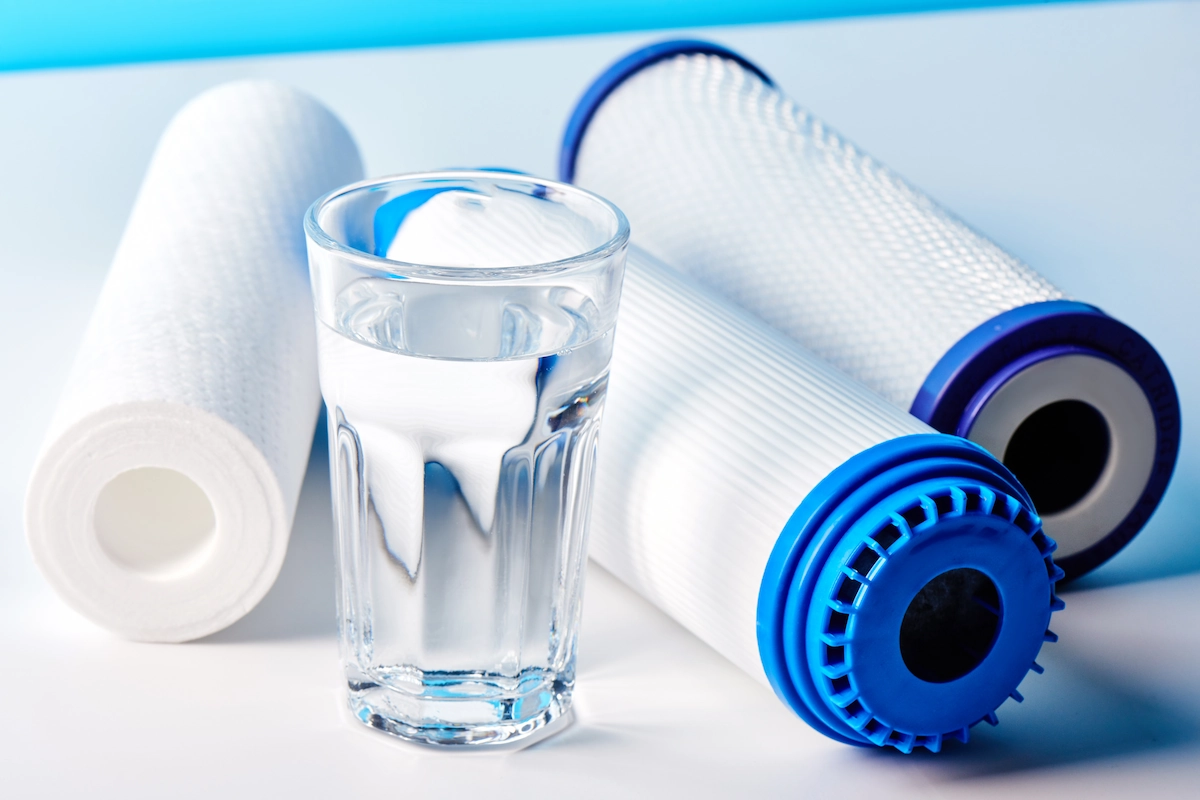
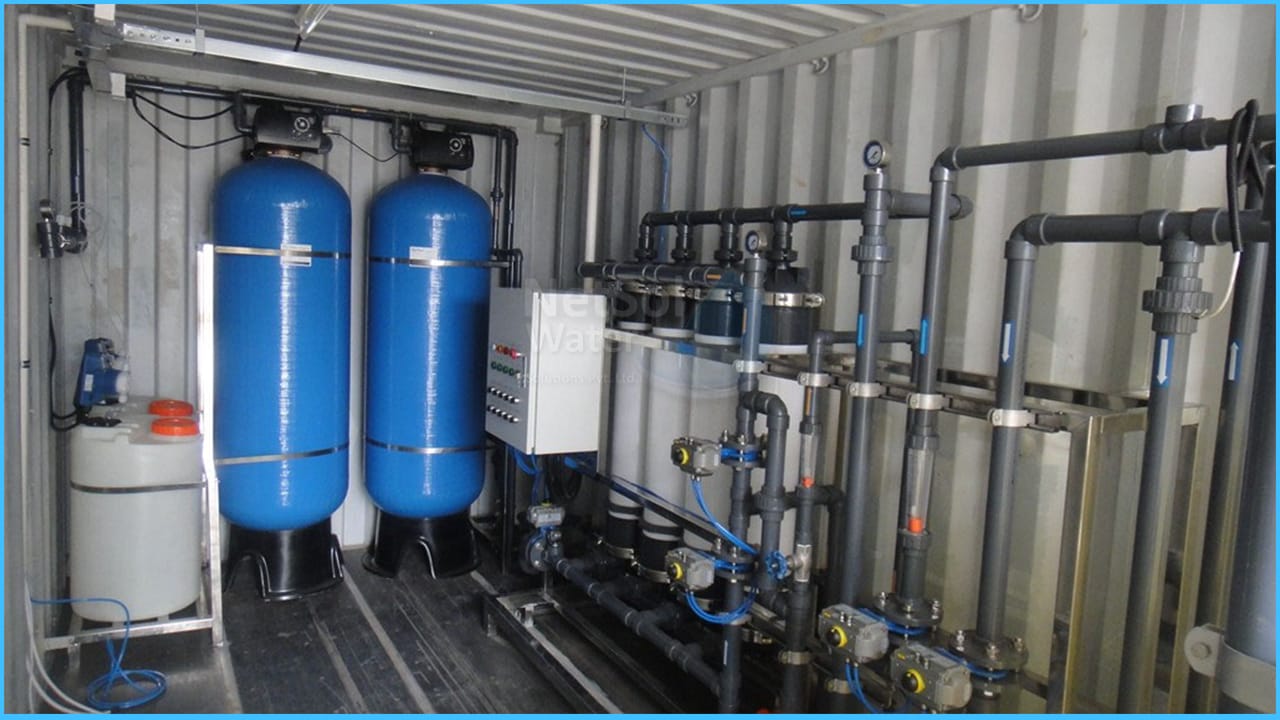
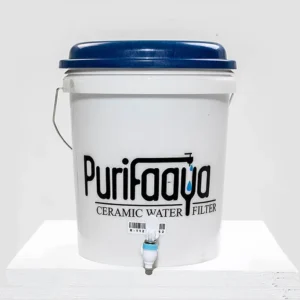
  • Supply of water treatment technologies as ultra-filtration systems, reverse osmosis systems, nano filtration systems, ultraviolet and solar disinfection systems, water desalination plants, compact water treatment plants, sand filters, water filter cartridges, activated carbon resins, water softening systems, membrane housings, and ceramic water filters.
  • Supply and installation of mineral water packaging and treatment plants, fruit juice packaging machines, and beverage packaging machines.
  • Construction of water treatment plant components such as river or lake intake works, pumping systems, cascade aerators and air stripping systems, coagulation and sedimentation tanks, and storage reservoir tanks.
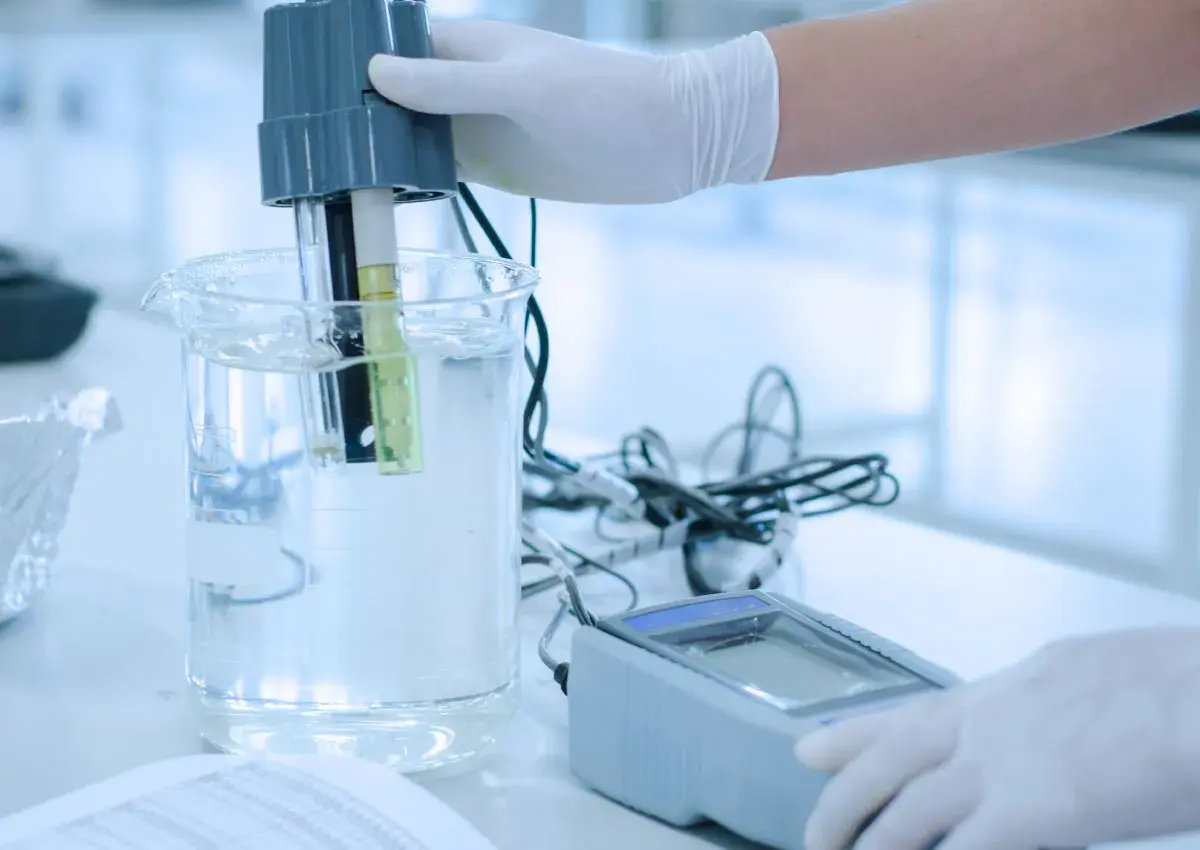
  • Undertaking water sampling, water quality testing, and analysis.
  • Undertaking planned preventive maintenance (PPM) for water treatment plants.
  • Preparation of water safety plans and water source protection plans.
  • Undertaking plant performance audits and energy audits for water treatment plants.
  • Preparation of operation and maintenance (O&M) manuals for water treatment plants.
  • Design of treatment systems for salty borehole water, iron and manganese removal systems from groundwater, and treatment of PFAs and emerging contaminants of concern.
  • Undertaking plant optimization studies, including water treatment plant upgrade and modernization.

Key Water Quality Parameters

Water quality is “a measure of the suitability of water for a particular use based on selected physical, chemical, and biological characteristics”. Therefore, it is a measure of water conditions relative to the need or purpose of humans or even the requirements of various land or aquatic animal species. Water quality parameters fall under 3 broad types, including physical, chemical, and biological/microbiological parameters.

Turbidity. Turbidity refers to the cloudiness of water and is a measure of the ability of light to pass through it. Different suspended materials in water such as organic material, clay, silt, and other particulate matter cause turbidity. High turbidity is aesthetically unappealing and increases the cost of water treatment. Particulate matter provides hiding places for harmful microorganisms, shields them from disinfection processes, and absorbs heavy metals and other harmful chemicals.

Temperature. Temperature has indirect influences on water quality. It influences the palatability, viscosity, solubility, and odor of water. It affects the disinfection and chlorination processes, biological oxygen demand (BOD), and the way heavy metals behave in water.

Color. Color reflects the concentration of vegetation and inorganic matter in water. Although it has no direct influence on the safety of water, it makes water aesthetically unappealing.

Taste and odor. Taste and odor affect the aesthetic qualities of water. They are determined by the presence of natural, domestic, or agricultural foreign matter in water.

Total Solids (TS). In water, two types of solids are present, Total Dissolved Solids (TDS) and Total Suspended Solids (TSS). Solids represent the amount of minerals (good or bad) and contamination present in water. When harmful solids are present, it affects the quality of water by affecting turbidity, temperature, color, taste, odor, electrical conductivity, and dissolved oxygen content.

Electrical conductivity (EC). Electrical conductivity indirectly measures the ionic concentration of water by measuring its ability to carry or conduct an electrical current. Higher conductivity means more solids are present in the water.

pH. pH measures how acidic or basic water is. Excessively high or low (<4 or >11) pH is detrimental for the use of water as it alters the taste, effectiveness of its chlorine disinfection process, and increases the solubility of heavy metals in water making them more toxic.

Hardness. Hardness is a property of mineralized water, and it measures the concentrations of certain dissolved minerals, particularly calcium and magnesium. Hard water can cause mineral buildup in hot water pipes and cause difficulty in producing lather with soap. Very hard water (>500 mg/L of CaCO3) can even have laxative properties.

Dissolved oxygen (DO). Dissolved oxygen is an indirect measure of water pollution in streams, rivers, and lakes. The lower the concentration of dissolved oxygen, the worse the water quality. Water with very little or no oxygen tastes bad to most users.

Biochemical oxygen demand (BOD). Biochemical oxygen demand indirectly measures the degree of microbial contamination, and is primarily used as a measurement of the power of sewage water. As microorganisms metabolize organic substances for food, they consume dissolved oxygen (DO) in water. As such, BOD is an indirect indicator of organic material in water.

Chemical oxygen demand (COD). Chemical oxygen demand measures the oxygen necessary to oxidize all biodegradable and non-biodegradable substances in the water.

Stages of the Water Treatment Process

Collection of raw water.

The process begins with the collection of water from natural sources, such as rivers, lakes, or reservoirs. In some cases, groundwater may also be used. Often, the water is transported from the source to the treatment plant via a complex network of pumps and pipelines, though natural means (such as rivers) may be used.

Screening.

Screening is the first step in removing large debris, such as leaves, twigs, and other solid materials, from the raw water. This prevents blockages and damage to the treatment plant’s equipment such as pumps and filters. Most deep groundwater does not require screening before further purification steps.

Coagulation and flocculation.

In this step, chemicals called coagulants are added to the water. These chemicals cause small suspended particles to clump together into larger particles, or “flocs.” Flocculation, the gentle mixing of the water, helps these particles bind together, making them easier to remove.

Sedimentation.

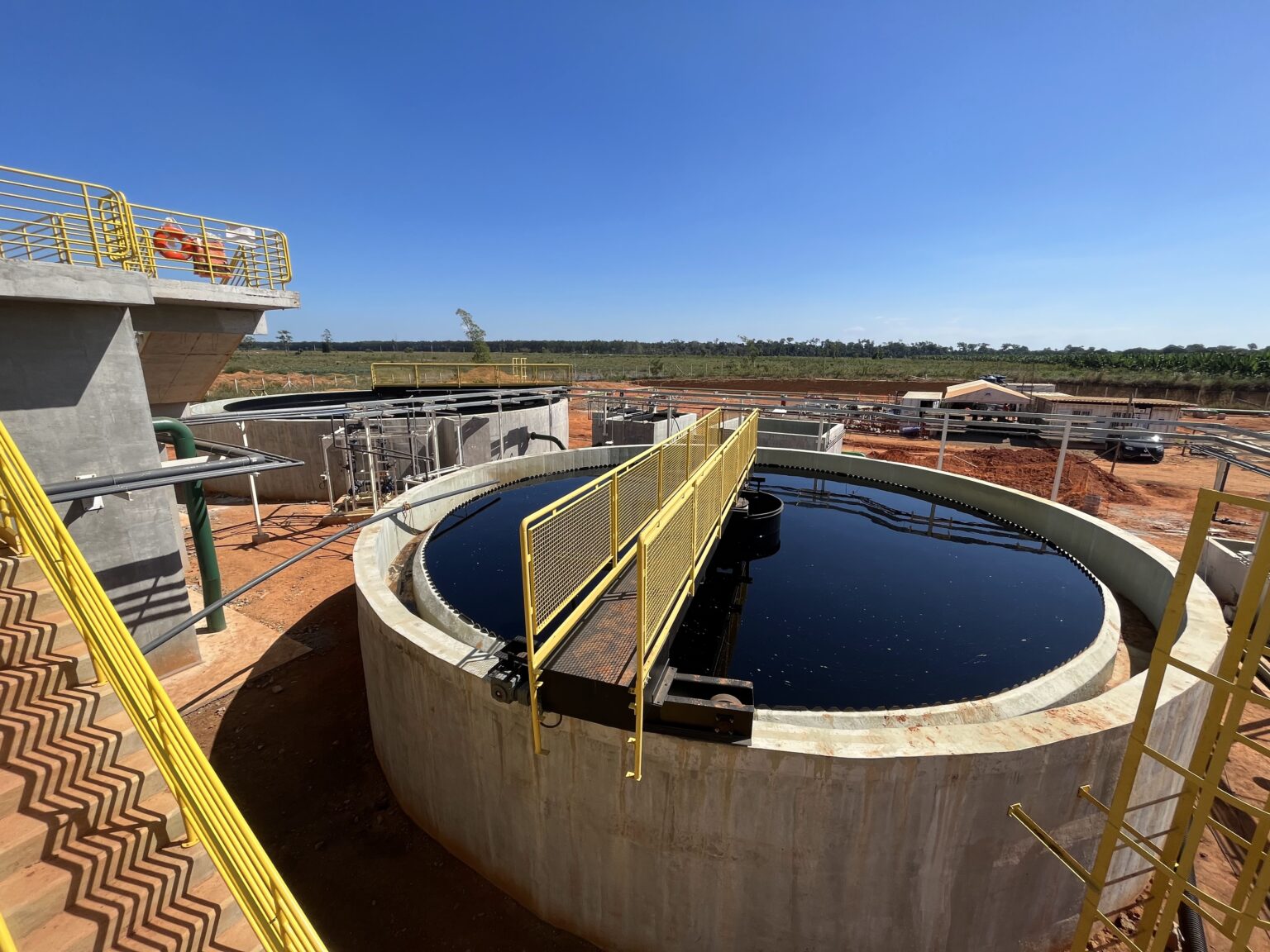
During sedimentation, the water is left to stand in large tanks, allowing the heavy flocs to settle at the bottom. This step reduces the turbidity of the water and removes a significant amount of suspended solids.

Filtration.

The water then passes through a filtration system, which may include sand, gravel, or activated carbon filters. These filters trap fine particles, microorganisms, and organic compounds, producing clear water. Modern facilities may also employ pressure filters, dual-media filters, or membrane technologies like ultrafiltration. Each filtration method has its strengths: granular media filters excel at particle removal, while activated carbon improves taste and odor.

Disinfection.

Disinfection is one of the most critical steps in a water treatment system. Chlorine, ozone, or ultraviolet (UV) light is used to kill bacteria, viruses, and other pathogens that can cause disease. This step ensures the water is safe for human consumption.

pH adjustment and chemical balancing.

pH adjustment is important to ensure the water’s pH levels are balanced, as extreme pH levels can cause corrosion in pipes and affect the taste of the water. Lime or acids are often added to achieve the desired pH level. For example, adding lime can raise the pH of acidic water, making it less corrosive. Proper pH balance is crucial for maintaining water quality and safety.

Storage and distribution.

Finally, the treated water is stored in reservoirs or tanks before being distributed through a network of pipes to homes, businesses, and industries. The water is now essentially ready for public consumption, but must be stored until demand for it surfaces. It is most commonly stored in underground or above ground tanks.

Factors Considered in Design and Selection of Water Treatment Plants

Water source type. The water source significantly influences the design of treatment facilities. Different sources, such as rivers, lakes, and groundwater contain varying levels of contaminants that require specific treatment processes. Understanding the characteristics of the water source helps engineers select appropriate treatment technologies to effectively remove contaminants and improve water quality for the intended use, whether for drinking, irrigation, or industrial applications.
Desired water quality. Final water quality requirements determine the level of treatment required. Regulatory standards set limits on contaminant concentrations and ensure the safety of treated water for public consumption. Therefore, water treatment facilities must be designed to comply with these standards, which may vary depending on the intended use of the water.

Financing and budget constraints. The availability of financial resources significantly impacts the design and operation of water treatment plants. Budget constraints can limit the selection of technologies and processes that can be implemented, affecting plant efficiency and effectiveness. Therefore, a well-structured financial plan is essential to secure the necessary funding for the initial construction and ongoing maintenance of water treatment facilities, ensuring they meet performance and regulatory standards over time.

Ease of maintenance. Maintenance makes the water treatment system durable and effective to deliver the best water quality. It is therefore advisable to select water treatment systems that require low maintenance in terms of cleaning and replacement of parts.

Energy consumption. Energy-efficient water treatment systems incur less expense in the long run while using up less energy in the process. It is highly recommended to consider energy consumption when comparing several water treatment plant options during design.

Volume of water to be treated. Analyzing the volume of water to be treated is the first and most crucial step in ensuring the efficiency of water treatment plants. This analysis determines the plant’s capacity and directly influences its technical design and operating economics. The analysis includes two main aspects: quantitative and qualitative. The quantitative aspect examines the average daily water flow while qualitative analysis focuses on determining the characteristics of raw water.

Geographical conditions of the site. Selecting the optimal site for a water treatment plant is a delicate process that requires in-depth study of the surrounding environmental and geographical conditions. Topography plays a pivotal role in reducing construction costs. Sites with a natural slope are preferred to facilitate water flow without the need for additional pumps.

Common Mistakes in Design, Installation, and Operation of Water Treatment Plants

Inadequate site assessment and plant design errors. Failure to properly assess source water quality variations (e.g., seasonal changes in turbidity or contaminant levels) can lead to the selection of inappropriate treatment processes that cannot effectively handle the incoming water.

Undersizing/oversizing equipment. Undersizing components (pumps, filters, clarifiers) leads to reduced treatment capacity, frequent overloading, and premature failure. Oversizing increases capital costs unnecessarily and can reduce process efficiency (e.g., too long a detention time can foster biological growth).

Poor hydraulic design. Inadequate flow distribution or “dead zones” in basins can result in insufficient contact time for disinfection or incomplete sedimentation of solids.

Ignoring future demand. Designing a plant without considering projected population growth or future industrial needs leads to rapid obsolescence and the need for costly early expansion.

Material selection errors. Using materials that are not corrosion-resistant or incompatible with specific chemicals (e.g., using galvanized steel for chlorinated water lines) results in rapid material degradation and water quality issues.

Improper equipment placement. Incorrect installation of equipment, such as pumps or chemical dosing systems can lead to cavitation, reduced efficiency, or dosing inaccuracies.

Poor piping and welding. Shoddy pipe fitting or welding can cause leaks, pressure losses, and potential contamination points within the system.

Incorrect instrument calibration. Failure to properly calibrate monitoring instruments (e.g., pH meters, flow meters, turbidimeters) during initial setup results in inaccurate data, leading to improper chemical dosing and process control issues.

Ignoring manufacturer specifications. Not following the manufacturer’s guidelines for equipment installation often voids warranties and can lead to immediate operational problems or reduced lifespan.

Inadequate training/staffing. Operators without proper certification or training may not understand the complex biological and chemical processes involved, leading to incorrect adjustments and potential safety hazards.

Incorrect chemical dosing. Overdosing chemicals increases operational costs and can create secondary water quality problems (e.g., excessive chlorine leading to taste/odor issues), while underdosing fails to meet treatment goals and risks public health.

Failure to monitor/adjust. Not regularly monitoring process parameters (e.g., filter performance, disinfectant residuals, silt density index) or failing to adjust the process in response to changes in raw water quality could result into treatment inefficiencies and early failure/plant breakdown.

Neglecting preventative maintenance. Failure to perform routine tasks such as filter backwashing, lubricating moving parts, or checking chemical feed lines results in clogs, breakdowns, and system inefficiency.

Poor record keeping. Without accurate maintenance logs, operators cannot track equipment history, anticipate potential failures, or ensure regulatory compliance.

Deferred maintenance. Postponing necessary repairs to save money in the short term inevitably leads to catastrophic failures and significantly higher costs down the road.

Using incorrect replacement parts. Using non-standard or low-quality replacement parts compromises equipment performance and voids warranties.

Common Challenges of Water Treatment Plants

Scaling issues. The presence of dissolved minerals such as calcium, magnesium, and silica results in scaling. This creates reduced efficiency in pumps and heat exchangers, resulting in higher fuel usage and causing possible overheating problems. Scaling affects components as boilers, cooling systems, pipelines, and storage tanks.

Corrosion challenges. The presence of dissolved oxygen in water speeds up rust development whereas acidic water conditions amplify metal deterioration, especially in industrial boilers. Resultantly, boiler tubes become thinner which results in leaks and structural damage.

Variation in water quality. The quality of incoming water can vary significantly due to changes in source water quality and seasonal variations. These fluctuations affect efficiency of treatment processes and quality of treated water. Daily and seasonal changes in raw water quality (turbidity, color, organic matter) affect treatment efficiency.

High turbidity and suspended solids. The presence of high turbidity and suspended solids creates widespread difficulties in water purification systems because they cause filters to clog while diminishing treatment efficiency and accelerating equipment damage.

High energy consumption. Industrial water treatment processes can be energy-intensive, leading to high operational costs. High energy consumption remains a challenge in advanced water treatment methods, which affects cost-effectiveness.

Chemical management. Incorrect dosage of coagulants or disinfectants leads to poor treatment. Moreover, the use of chemicals in water treatment poses several challenges, including storage, handling, dosing accuracy, and disposal. Improper chemical management can lead to safety hazards and environmental pollution.

Conclusion

Efficient water treatment systems ensure the safety and quality of water used in domestic applications, industrial operations, and assure regulatory compliance. By implementing effective solutions, water utilities and industries can ensure efficient water treatment processes that meet regulatory standards, protect the environment, and support sustainable practices. This necessitates engaging the services of professional consultancy companies to undertake design of their water treatment plants, since design is the foundational stage where errors can have long-lasting, costly impacts.

As one of the leading water engineering companies in Uganda, SANKOFA offers advanced technical solutions in the field of water treatment, right from design, installation, and maintenance of high quality water treatment plants, ensuring optimal performance and regulatory compliance to applicable water quality standards. 

Sankofa Consulting Engineers

We are a premier multidisciplinary engineering consulting company based in Uganda. We offer services across a wide spectrum of engineering disciplines, such as electrical and power engineering, water and sanitation engineering, civil and building engineering, surveying and geomatics engineering, mining and petroleum engineering, environmental management, agricultural mechanization and irrigation engineering, among others.

Contact Info

Copyright © 2026  SANKOFA CONSULTING ENGINEERS. | All Rights Reserved | Privacy Policy

error: Content is protected !!